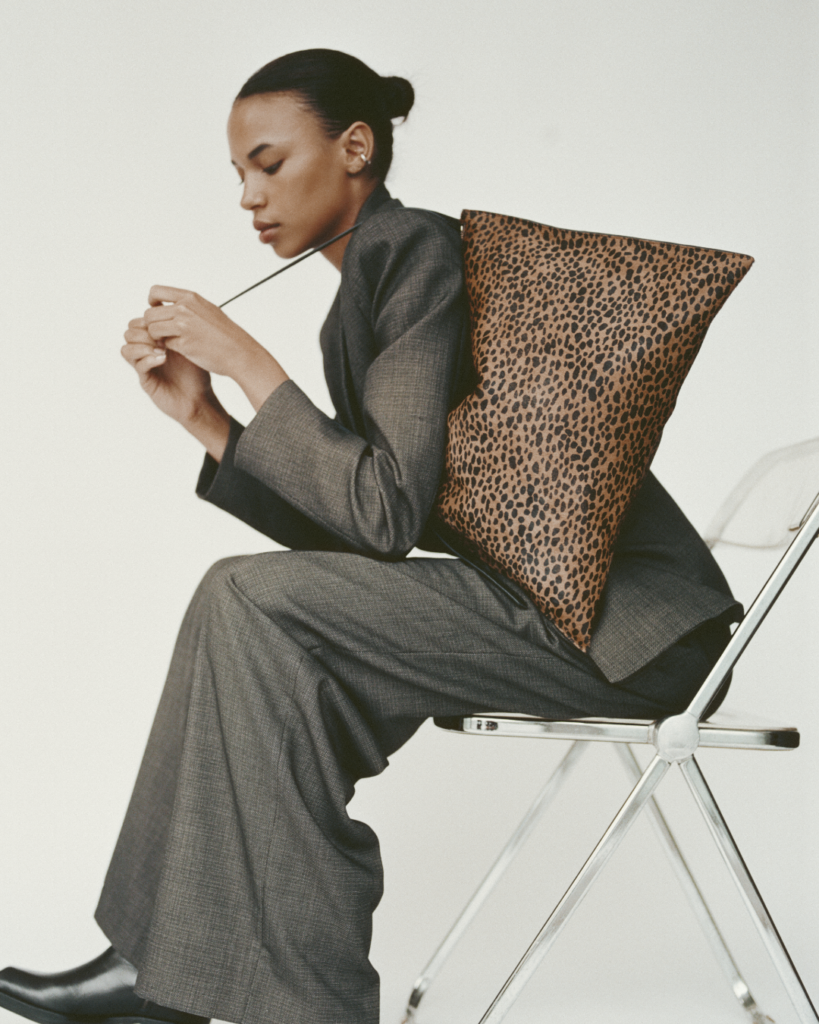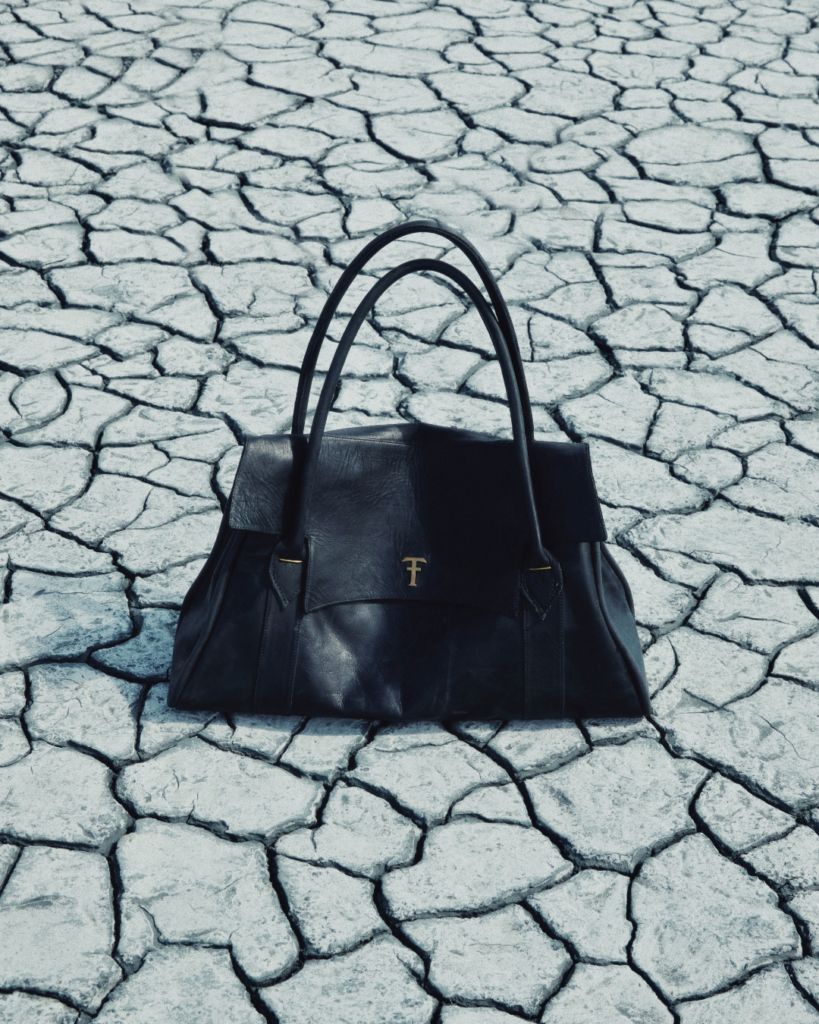


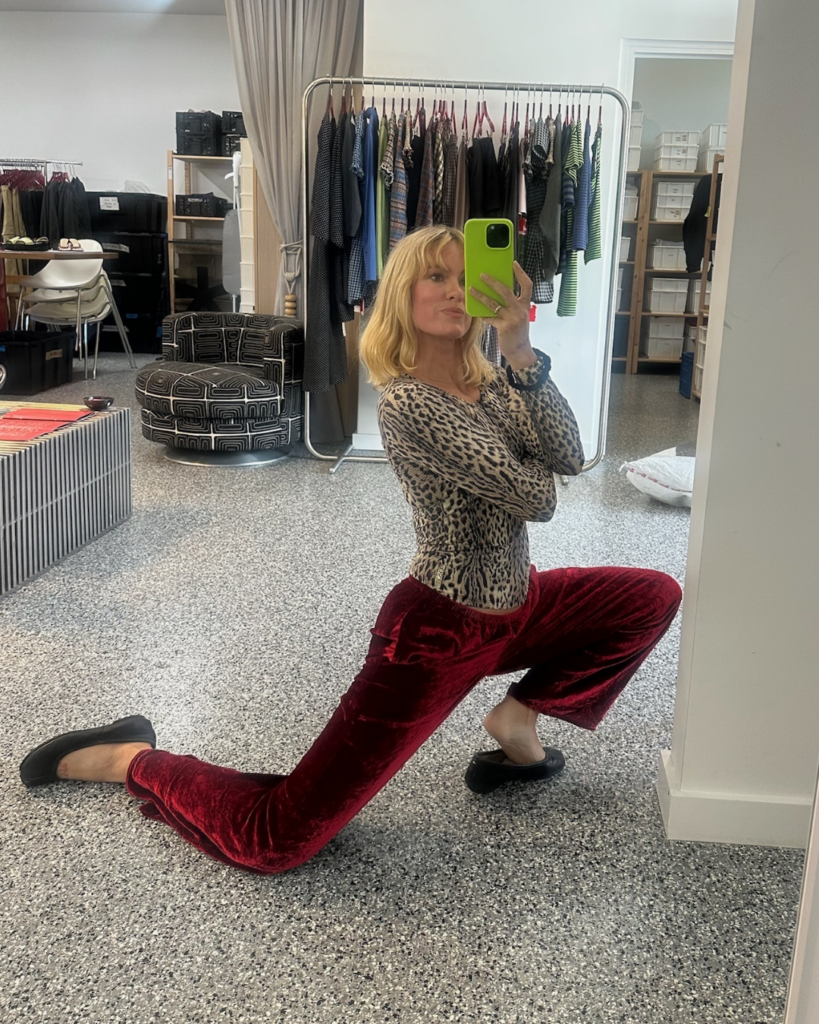
Zendaya, Hailey Bieber and Olivia Rodrigo have all ordered from Après Studio, with no press push or paid placement in sight. For a brand that stays deliberately small and keeps its social media presence quiet, that is quite the guest list.
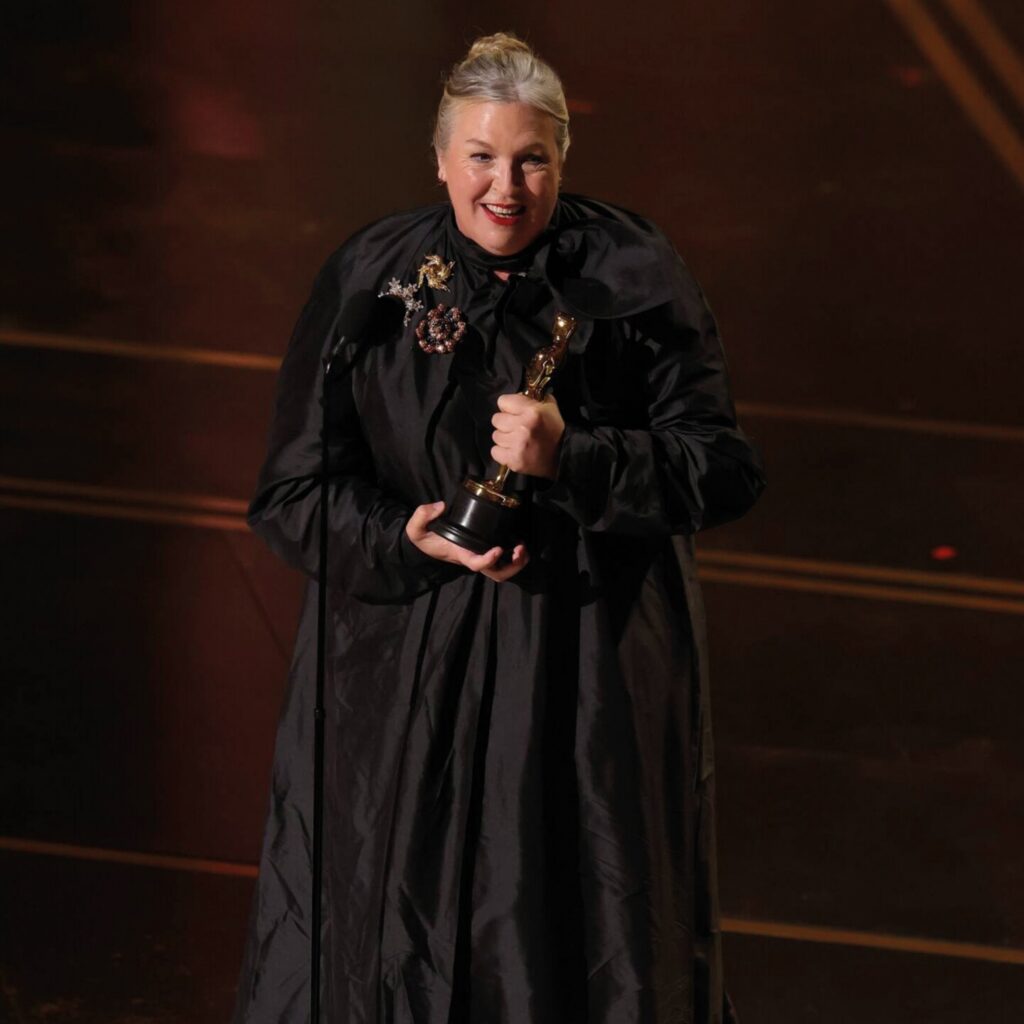
Behind it is Meg Wilcher, who grew up in the NSW country town of Tamworth, was studying fashion design by 17 and spent years making clothes for other names before launching her own in 2018. Production is capped at 500 units per piece, and these days her time is split between the factory floor, trail runs and a growing stash of rare Japanese funk records.
In this Q&A, Meg opens up about her earliest fabric memories, why she would rather go deeper than wider, and the Dolly Parton advice that guides her.
In conversation with Meg Wilcher
Let’s get up to speed. Tell us a little about you, your background and the path that led to Après Studio.
I grew up in a small country town in NSW and moved to Newcastle immediately after high school. By 17 I was studying Applied Fashion Design and Technology. I worked in my favourite boutique to pay the bills and ended up helping them launch their first in-house label, which was my first real taste of making something from scratch. After uni, I basically begged my favourite brand for an internship. They didn’t take interns, but I didn’t leave them alone. That turned into an Assistant Designer role at 20: travelling to factories, designing a lot of denim, and even fit modelling. Then came years of designing and managing production for other brands, usually at night and on weekends. The more I saw of this industry, the less I liked: how makers were treated, the waste, the lack of honesty. So, in 2018 I launched Après Studio from a little studio in Avalon in Sydney’s north. The brand name literally means “after studio”. It marked the point where I stopped compromising.
What is your earliest memory of fashion?
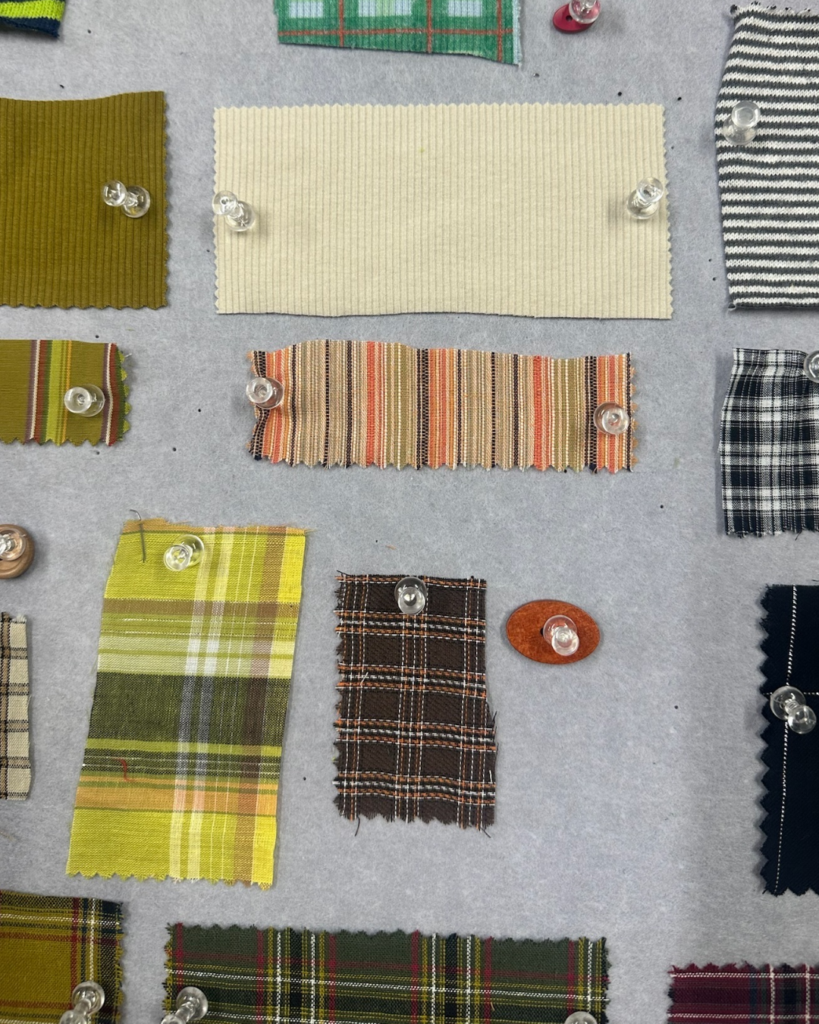
My mum was a textile teacher, so fabric was just always around. My earliest memory is spending time on school holidays altering patterns and choosing fabrics to make custom pieces. They were often inspired by whichever of my favourite popstars were featured on Rage, earlier in the morning than when mum and dad could get up and switch it off (Gwen Stefani-esque). I didn’t know it was ‘fashion’ at the time, it was just what we did at home: making, mending, touching everything. That’s still the part I love most. Before any sketches eventuate, it’s the fabric.
How would you describe the way you dress, and what shapes it the most?
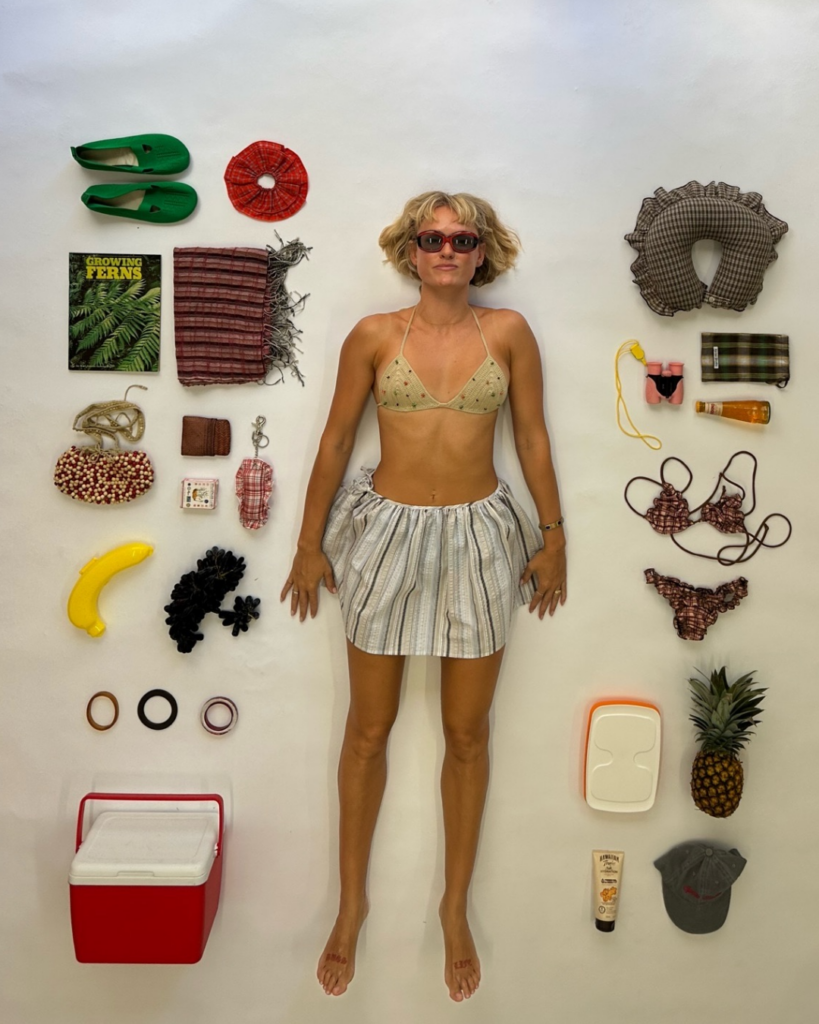
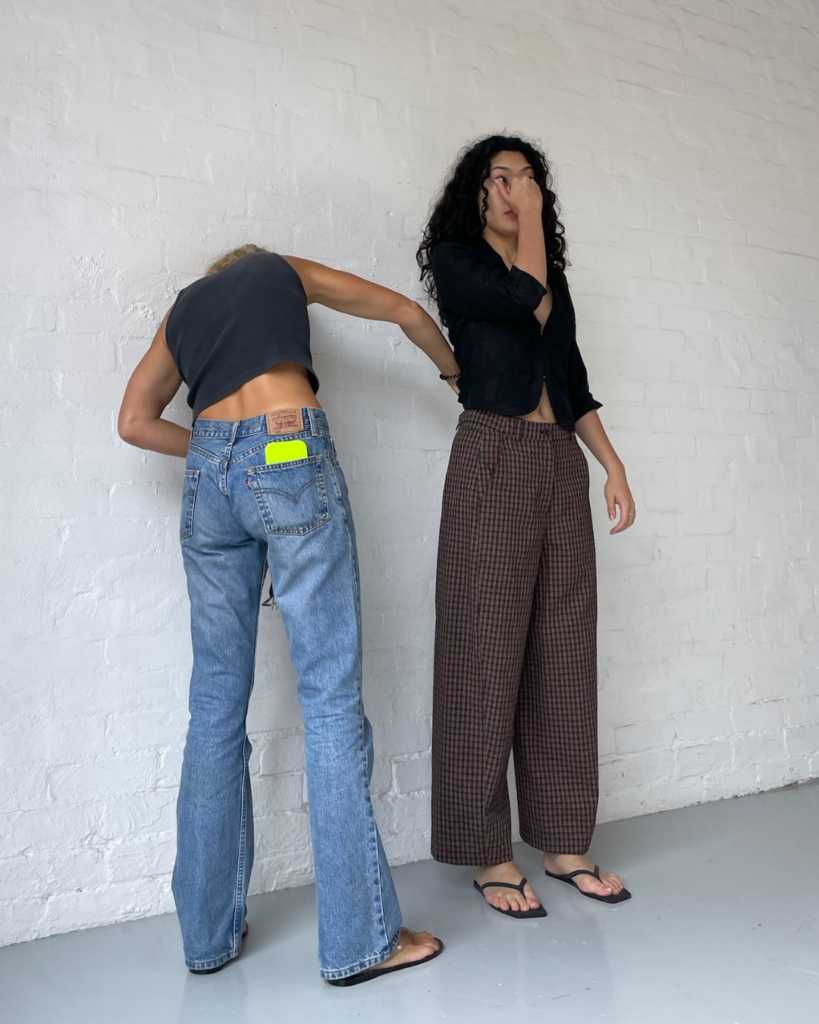
Pretty understated, honestly. I wear a lot of vintage, a lot of my own samples, and pieces I’ve owned forever. I care more about how something is made and how it feels after a hundred wears than whether it’s ‘in’. What shapes it most is my life: running trails, digging through records, being on the floor of a factory. I need clothes that can keep up and still feel a bit special.
You say your taste is refined by everything except fashion, from music to interiors to your hometown. How do these things influence the way you design today?
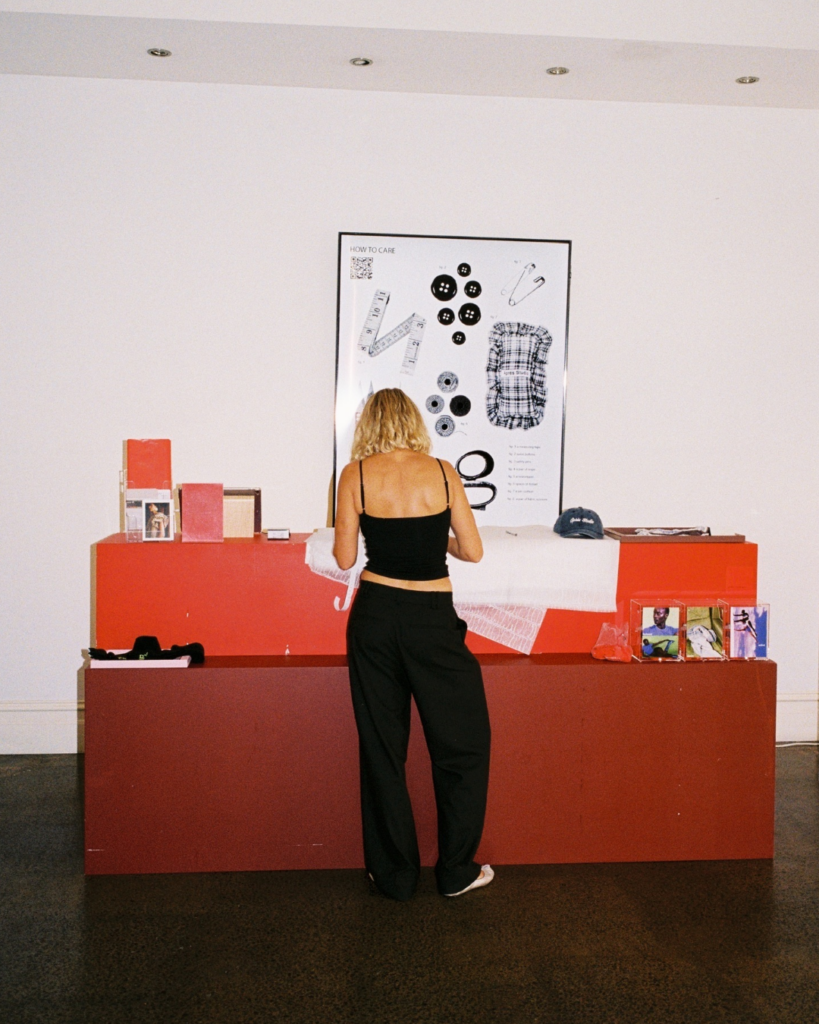
I get bored looking at fashion for fashion. The good stuff comes from everywhere else. My current home leans Japanese and Scandinavian: considered, nothing there that doesn’t need to be. That’s how I approach a collection. Music is a big one. I collect rare Japanese funk and fusion records, and there’s something about a record nobody else has heard that feels like a good garment. It’s niche, a bit odd, and it rewards you for paying attention. Then there’s my hometown, where everything was practical and made to last. You didn’t buy something to wear once. All of that ends up in the detail: a hidden seam, a custom print, a colour we’ve developed ourselves. It’s all intentional.
You’ve chosen to stay off social media. What does that distance give you creatively?
Well, recently I have reactivated my instagram account after a long hiatus. One of my staff does my posting for me, and I don’t spend much time there. The distance continues to provide quiet, mostly. When you’re not watching everyone else all day, you stop doing things to be seen and start doing things that feel intrinsically true to your personal curiosities. I’ve always felt a bit torn about being ‘known’. We want a community, but the second something goes viral it gets copied, diluted and churned out in polyester. Stepping back lets me move at my own pace, go deeper on fabric and detail, and make things I’d want in my own wardrobe. Being a little harder to find is part of the fun.
Après Studio has stayed deliberately lean, with production capped at 500 units per piece. When did you know that was the right way to build, and has it ever been tested?
I think I always knew. I’d spent years in an industry that just made more and more, and I’d seen where that ends up. The cap keeps us honest. It keeps the footprint small and means every piece goes to someone who really wants it. That’s the best feeling: knowing there’s a real person on the other end, not just an order number. Has it been tested? Constantly. When something sells out, the easy thing is to just make more. And when our pieces get copied, which happens a lot, there’s a pull to chase volume. But I’d rather go deeper than wider: our own prints and colours, more of the process in-house, a slower pace. One great piece beats 27 pretty good ones.
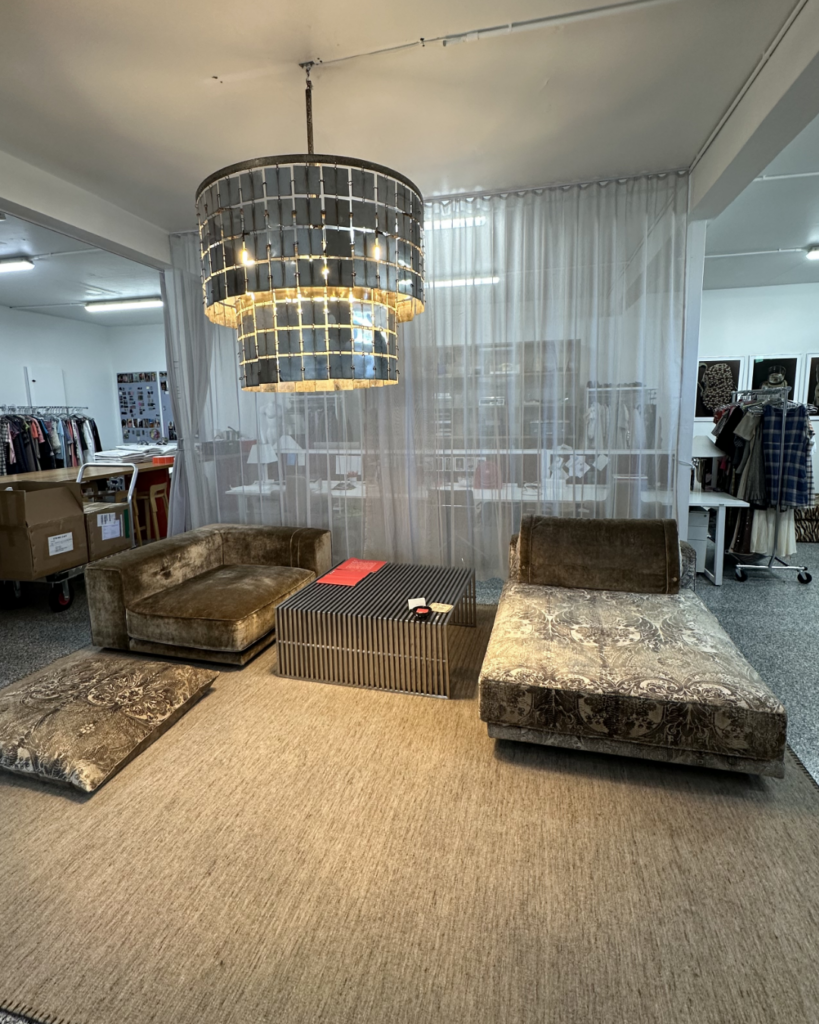
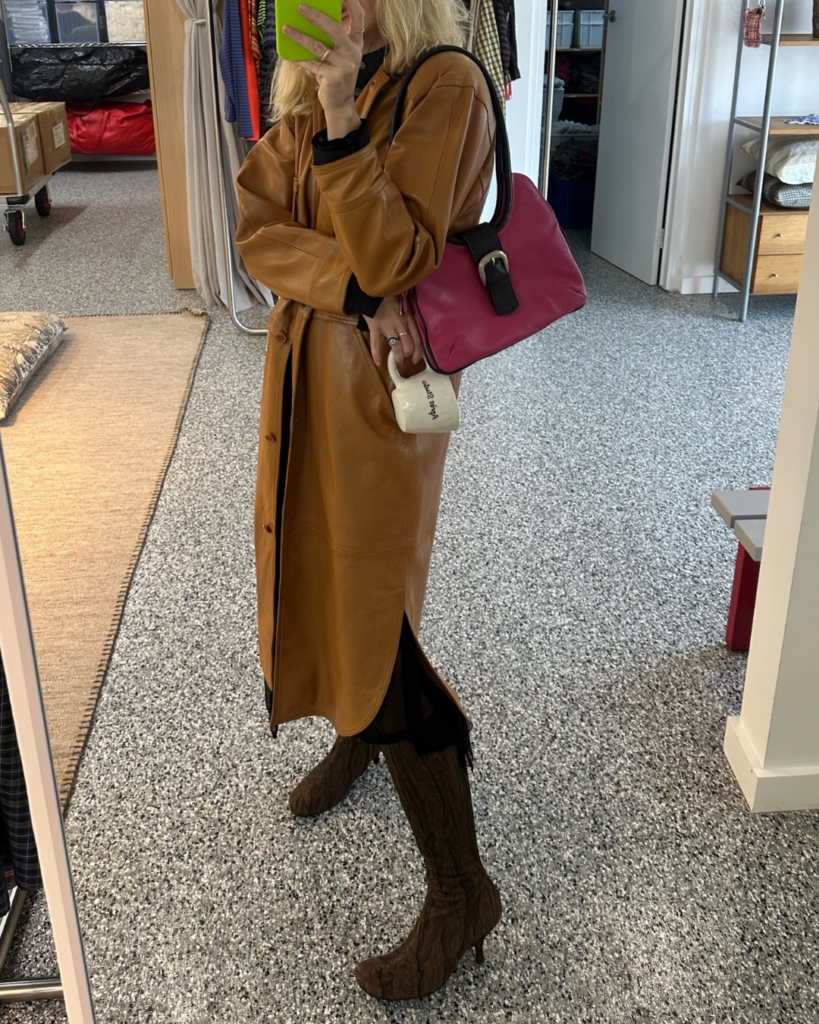
Zendaya, Hailey Bieber and Olivia Rodrigo have all ordered without any press or payment. What does it mean to see the label out in the world that way?
Honestly? It’s surreal. We’ve never paid anyone to wear Après unless it’s in exchange for their talents, so when it happens organically, it means they found us and liked the clothes. That’s the only way I’d want it. It’s a nice reminder that you don’t need to shout. If the product is good, it travels.
Are there any New Zealand designers you gravitate toward, or that more people should know about?
Frisson Knits has always been darling. Then Maggie Marilyn comes to mind if I am feeling more feminine and have an occasion to dress up for. I’m drawn to anyone who’s doing things properly: making things ethically, being honest, and still making something unique and of high quality. New Zealand has always punched above its weight there.
Rather than predicting trends, what do you hope people are still wearing in ten years?
Their own clothes. Not a “timeless” uniform of beige and linen, but pieces they’ve had for years that have changed with them. I don’t really believe anything is truly timeless; everything says something about when it was made, and that’s the beauty of it. What I hope lasts is the relationship. A dress you wore at 30 that you style completely differently at 40, and it still feels like you. And maybe a bit more colour and frill while we’re at it.
What is the best piece of advice you’ve ever received?
Dolly Parton tells us: find out who you are and do it on purpose.
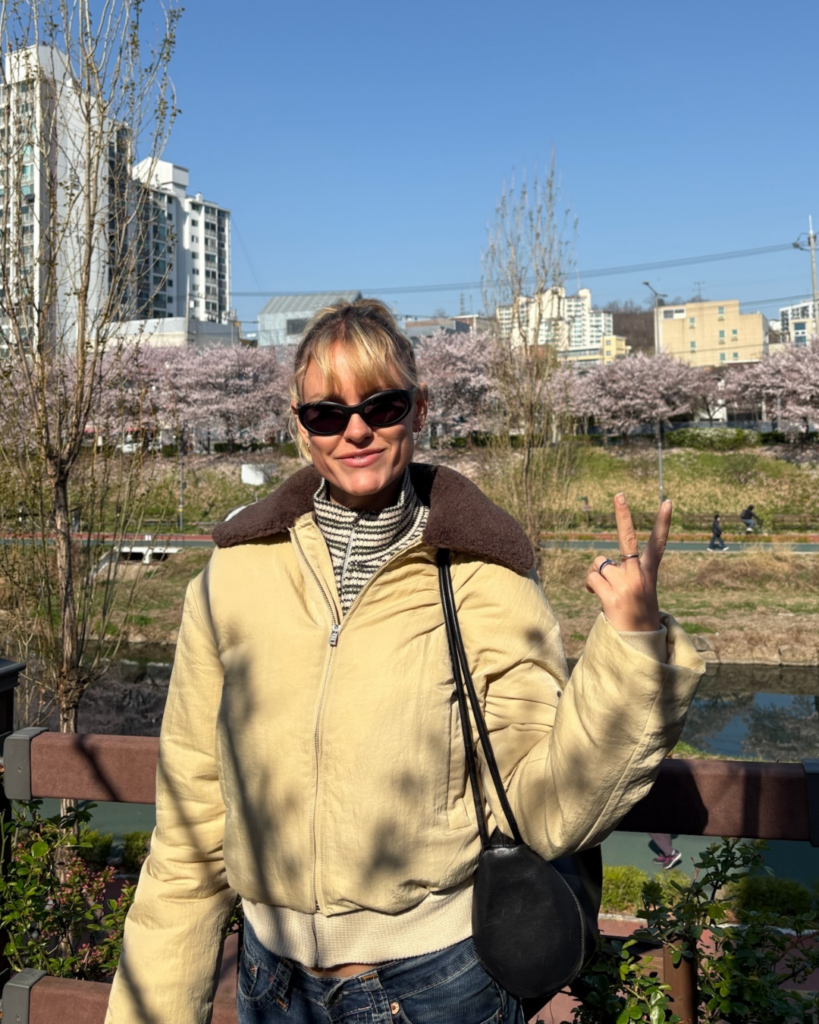
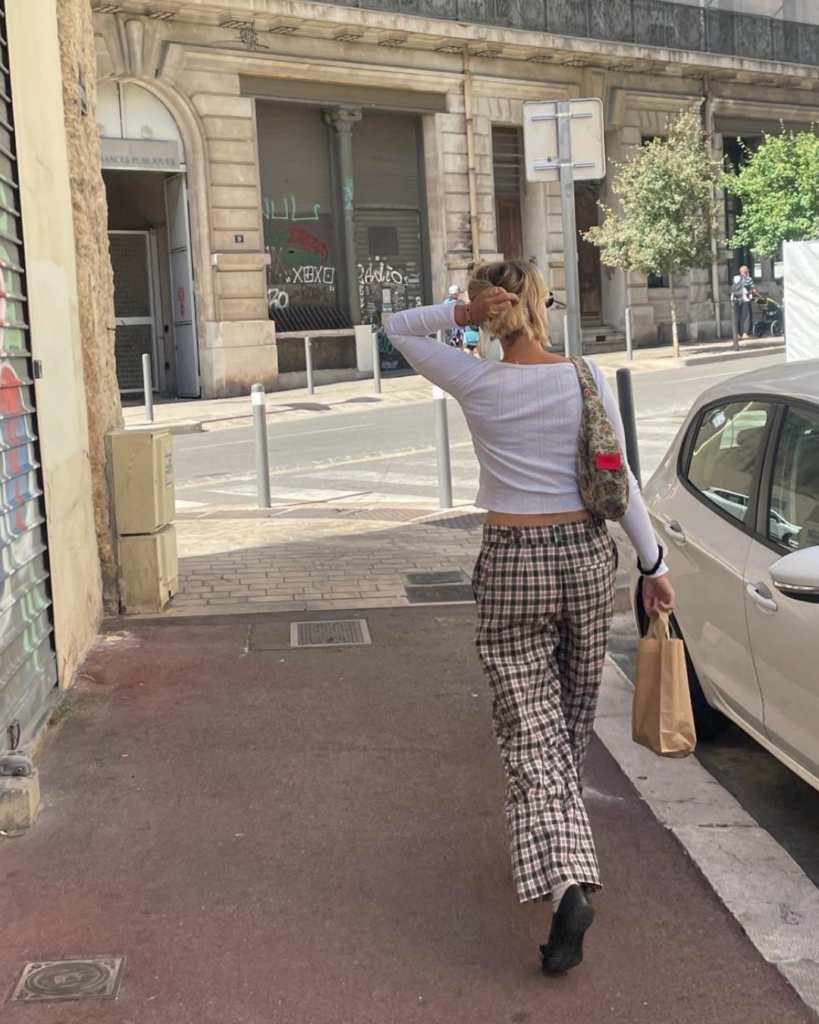
Quick-fire questions
The next item on my wardrobe wishlist…
The perfect vintage silk slip dress. One you put on and can be automatically transported to a fairytale world in which everything conspires towards your happiness.
The book currently on my bedside table…
Eat The Problem, a food and art compendium by Kirsha Kaechele.
If you could only save one item in your wardrobe, what would it be?
I am not super attached to any of my material belongings, but if i had to choose one thing, it would be my MiuMiu x New Balance sneakers.
My favourite place to dine…
At the moment is Cafe Paci in Newtown, Sydney. Eat everything the servers tell you to.
My ultimate day off looks like…
A slow morning in bed with my love, coffee and eggs, yoga and meditation, a run, a swim and a picnic in the sun on the beach, a great book, a surf, a nap at home with some music playing, an early wine somewhere with a view, some oysters, a live performance of dance or music that we inevitably join in on, with my sisters, and an early night with my love.