

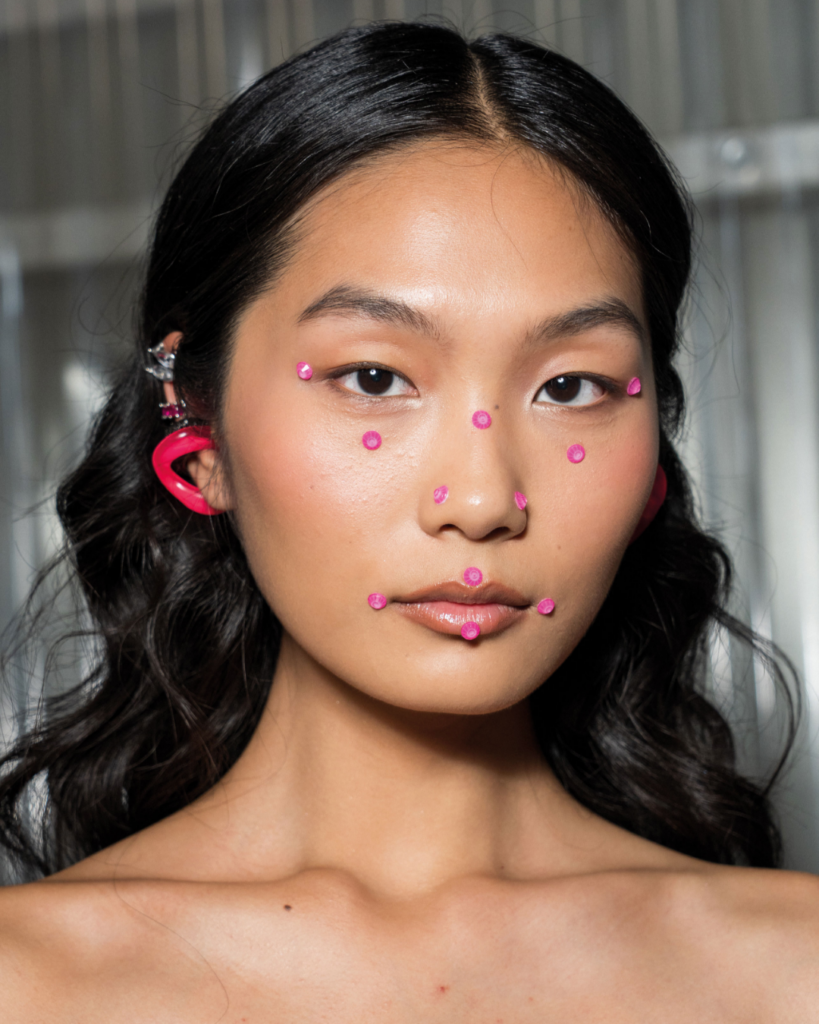
I may have been writing about beauty for close to 20 years, but if there’s one area of the beauty industry I still feel overwhelmed by, it’s Korean skincare. The sheer number of products, the ever-expanding list of brands and the speed at which new innovations seem to appear has always made me feel like I’ve simply left it too long to catch up. But if I feel this way, then surely I’m not alone. So, with this in mind, and a Korean sheet mask on my face, I’m going to attempt to decode the world of K-beauty for beginners.
The face mask I’m trialling is from CO2 Society, a brand that harnesses the power of carboxytherapy, a CO2-based treatment that originated in clinical settings in France in the 1930s, where it was used by doctors as an injectable. It was later pioneered by Korean scientists in a transdermal format to help improve the appearance of wrinkles, elasticity, skin tone, and sagging.
I have just dispensed 20ml of Carboxy Gel onto my face and placed a dry sheet mask over the top. The gel itself feels cool to apply, but as soon as the paper mask touches my skin, everything turns spicy. Like I’m swiping the inside of a Carolina Reaper chilli across my face, only it’s also a little bit bubbly, audibly so. After a few minutes, it settles down.
And now I wait.
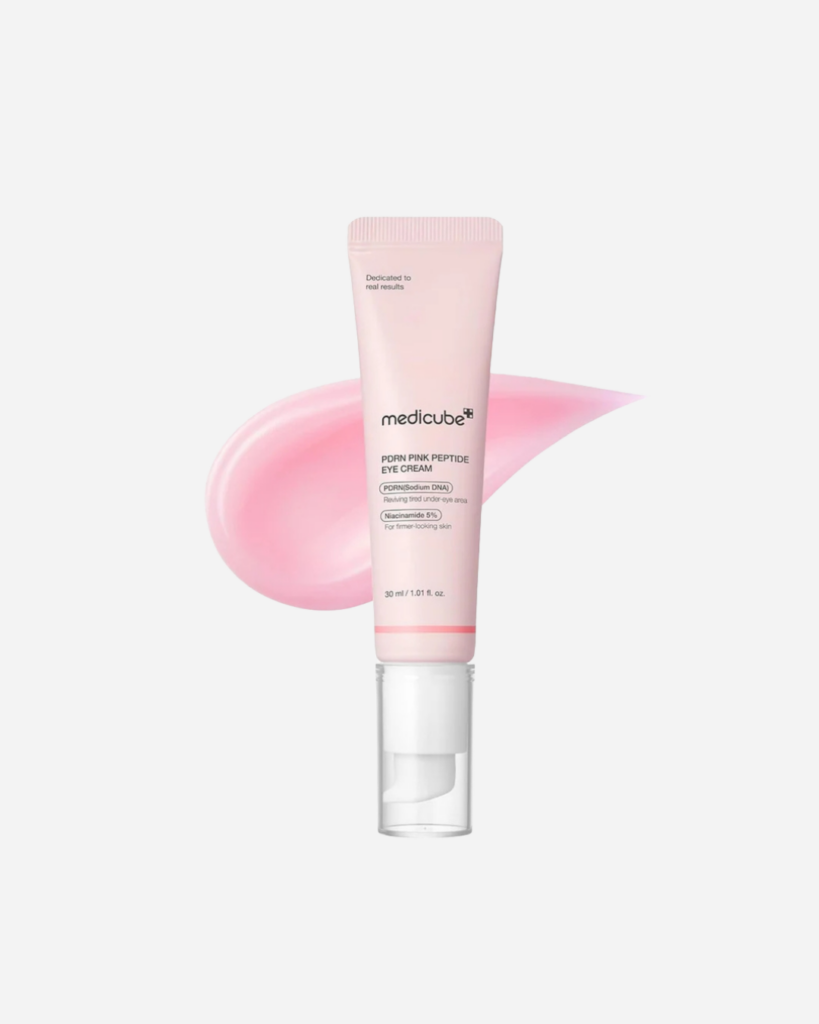
My first impression of this mask is much like my first impression of other K-beauty products I’ve been dabbling in. Medicube’s PDRN Pink Collagen Capsule Cream is instantly novel, with its beautiful spheres of pink cream suspended in gel. A Dr. Jart+ sheet mask, kindly bought for me by a friend visiting Seoul, looks like something a cook has made in a dessert challenge on MasterChef Australia. It’s the novelty factor for me. I’m hooked, and I’ve only just begun.
A lot of the hype around Korean skincare can be found online, so to begin my research I decided to go directly to the source. Through Instagram, I did a call-out to K-beauty fans willing to give me the CliffsNotes on their loves and gripes, favourite products, and how they shop. I got dozens of responses from people eager to share their thoughts, and several commonalities emerged.
The products feel genuinely effective
Again and again, people mentioned that Korean skincare “works,” whether that’s helping with hydration, barrier repair, pores, melasma, acne, sensitivity, or simply making skin look healthier and more radiant. There’s a strong sense that the products deliver visible results without needing to sit in the luxury price bracket.
Hydration, barrier health, and prevention are prioritised
A recurring point is that K-beauty is largely focused on supporting the skin long-term, rather than offering a quick fix. People repeatedly mentioned moisture, calming, prevention, barrier repair, soothing ingredients, and overall skin health as reasons they keep coming back to the category.
It offers innovation at an accessible price point.
Many describe Korean skincare as cutting edge, technologically advanced, or ingredient-led, but still relatively affordable. The appeal seems to be that consumers can access formulas that feel comparable to luxury skincare, or more exciting than traditional Western brands, without paying luxury prices.
The textures are lightweight, elegant, and easy to use.
There was a lot of chat about how well the products sit on the skin: sunscreens that feel like moisturiser, gel-like creams that are not heavy or greasy, products that layer well, and formulas that work under make-up. There’s a clear appreciation for skincare that feels sensorially good.
There is a product for almost every skin concern
Fans like the breadth of the category, from acne and oily skin to pigmentation, barrier damage, hydration, SPF, and glow. This variety is part of the attraction, although it also creates one of the main frustrations, that the category can feel overwhelming, trend-driven, and too full of options or steps.
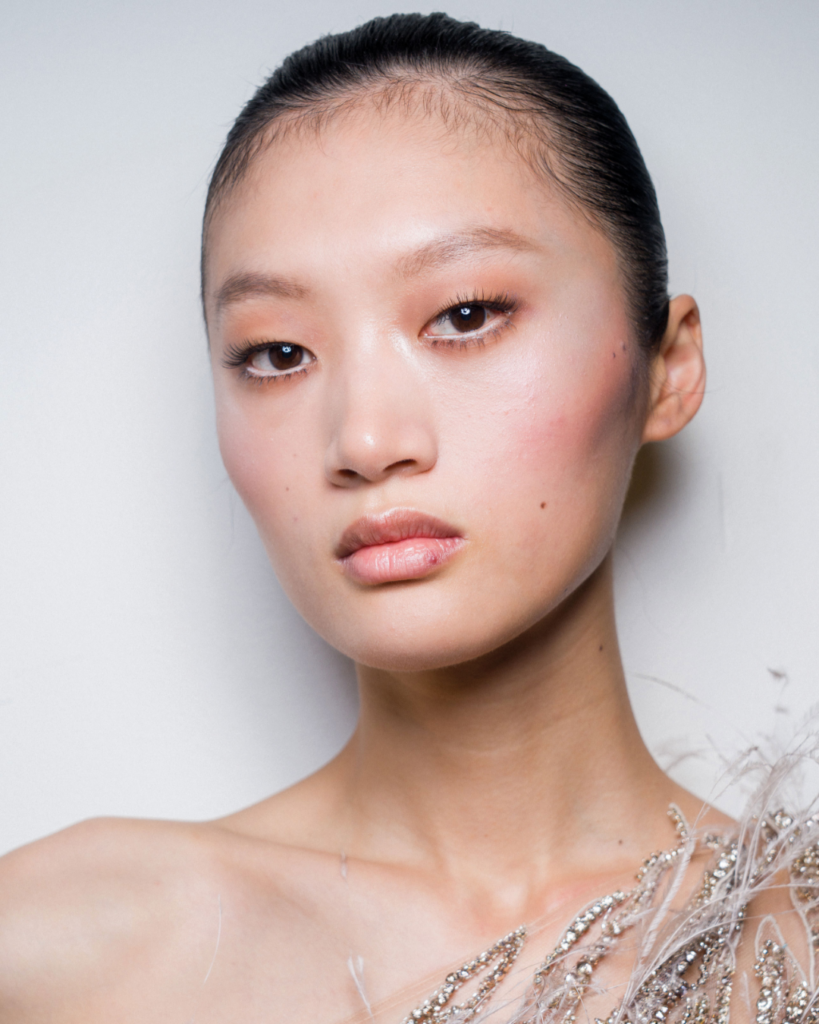
While TikTok and Instagram have played a huge role in amplifying Korean skincare brands and products globally, the general consensus among K-beauty fans in New Zealand is that going into stores and speaking with shop assistants is still one of the best ways to dip a toe in, find out about new launches, and learn more about viral products.
Stand-alone stores in New Zealand, including Hikoco and W cosmetics, have knowledgeable sales staff, and it’s worth making a trip, especially if you’re new to the category.
Farmers, Life Pharmacy, and Chemist Warehouse are also expanding their offerings to include Korean skincare, making the category even more accessible, especially to those outside the main centres or people shopping online who are looking for a narrower edit of products.
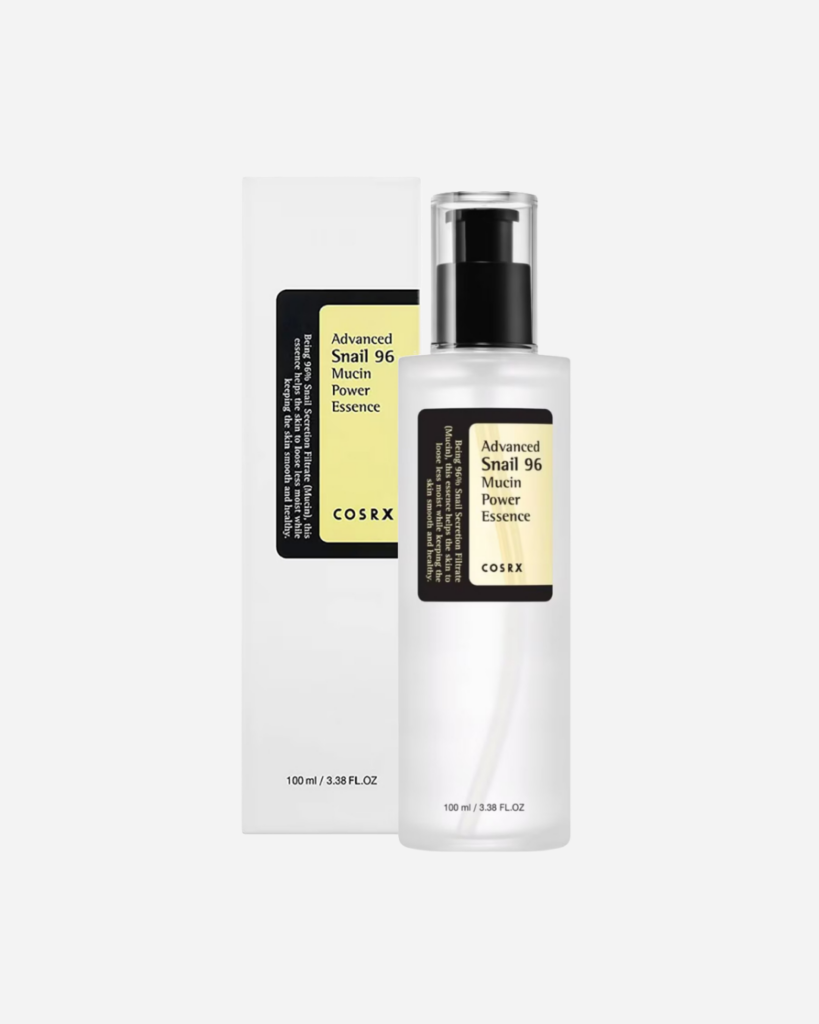
For me personally, part of the overwhelm comes from some of the names of the products on the market, such as the Mixsoon Bean Essence (essence of beans, really?) that I’ve just applied to my face after removing the CO2 Society mask.
From bean essence to snail mucin, and salmon-derived PDRN, there is a lot going on. But Narae Ko, head of brand and marketing at W cosmetics, assures me that part of the appeal of K-beauty lies in the stringent testing and regulations that must be met, both in Korea and when products are imported into New Zealand.
“Any skincare or cosmetic product imported into New Zealand must comply with New Zealand’s cosmetic regulations, regardless of where it was manufactured,” she says. This provides me with peace of mind, but the ingredient origins and product names also speak to the innovation point, which is what seems to set Korean skincare apart.
“South Korea is one of the most competitive beauty markets in the world,” says Ko. “Brands are constantly challenged to launch new technologies, ingredients, and formats to stand out.
“Korea has world-leading cosmetic manufacturers that allow brands to innovate quickly, test new concepts, and bring products to market faster than many other regions.”
Any Korean skincare product sold in New Zealand is also legally required to have clear English labelling and ingredient information, allowing customers to understand how to use the product and what it contains, says Ko. If you are shopping online or purchasing while travelling overseas, apps such as Google Lens or Google Translate can instantly translate Korean text using a smartphone camera.
For beauty lovers concerned that buying overseas is the only way to stay up-to-date with the latest ingredients and formulations, Ko says that, for W cosmetics, identifying viral products early in their lifecycle is essential.
“W cosmetics has an exceptional buying team with direct relationships across leading Korean beauty brands and manufacturers,” she explains. “Our team actively monitors social media trends, Korean retail rankings, and emerging product launches. Depending on inventory availability, regulatory requirements, and shipping schedules, we move quickly to bring trending products to the New Zealand market.
“Our goal is to ensure customers have access to the latest beauty innovations and global trends as soon as they emerge, whether that’s breakthrough ingredients, cutting edge skincare technologies, or viral products gaining traction on platforms like TikTok and Instagram.”
In 2026, the most talked-about corner of K-beauty focuses on achieving clinic-adjacent skin results, think plumper, calmer, stronger, more resilient skin without the price tag or downtime. These are the innovations that keep popping up:
PDRN
The regenerative skincare ingredient of the moment, PDRN is often salmon-derived, though plant-based options are emerging too. It is appearing in serums, creams, toners, and masks with a focus on bounce, repair, and skin vitality.
Try: Anua PDRN Hyaluronic Acid Capsule 100 Serum, $57.
Exosomes
Sitting in the same high-tech space as PDRN, exosome-inspired formulas tap into the growing appetite for treatment-style skincare that is user-friendly but heavily results-driven.
Try: Medicube One Day Exosome Shot 2000, $42.
Spicules/Reedle shots
Tiny needle-like particles are being used in at-home “booster” products designed to help with texture, glow, and ingredient absorption, though sensitive skins should tread carefully.
Try: VT Cosmetics Reedle Shot 100, $46.
Collagen hydrogel masks
Viral for their glossy, jelly-like format and instant plumping effect, these masks are the pre-event shortcut to bouncy, glassy-looking skin.
Try: Biodance Bio-Collagen Real Deep Mask (4 pack), $36.
Toner pads
Part toner, part mini-mask, toner pads continue to trend because they make exfoliating, calming, or brightening feel easy and controlled.
Try: Mixsoon Bean Toner Pads, $31.
Barrier repair
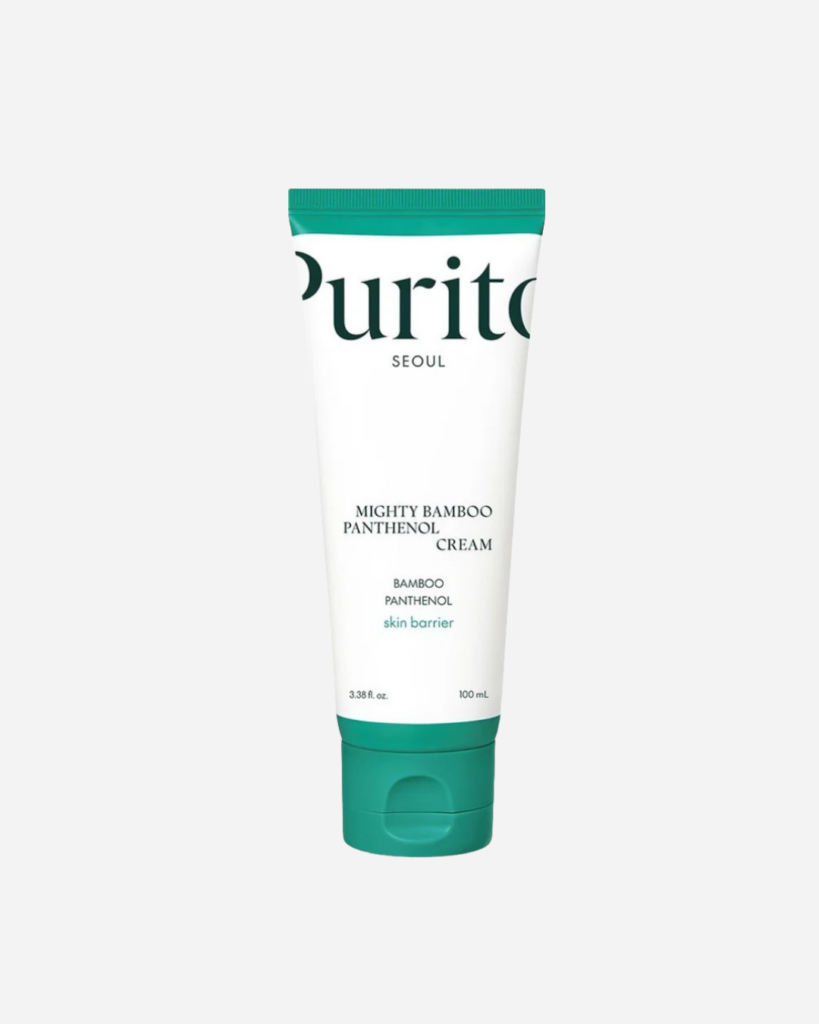
Cica, panthenol, ceramides, and madecassoside remain K-beauty staples, especially as consumers move away from harsh routines and back towards calm, resilient skin.
Try: Purito Seoul Mighty Bamboo Panthenol Cream, $42.
Next-generation SPF
Korean sunscreens are still the category’s gateway product, loved for lightweight textures that feel more like skincare than traditional sunscreen.
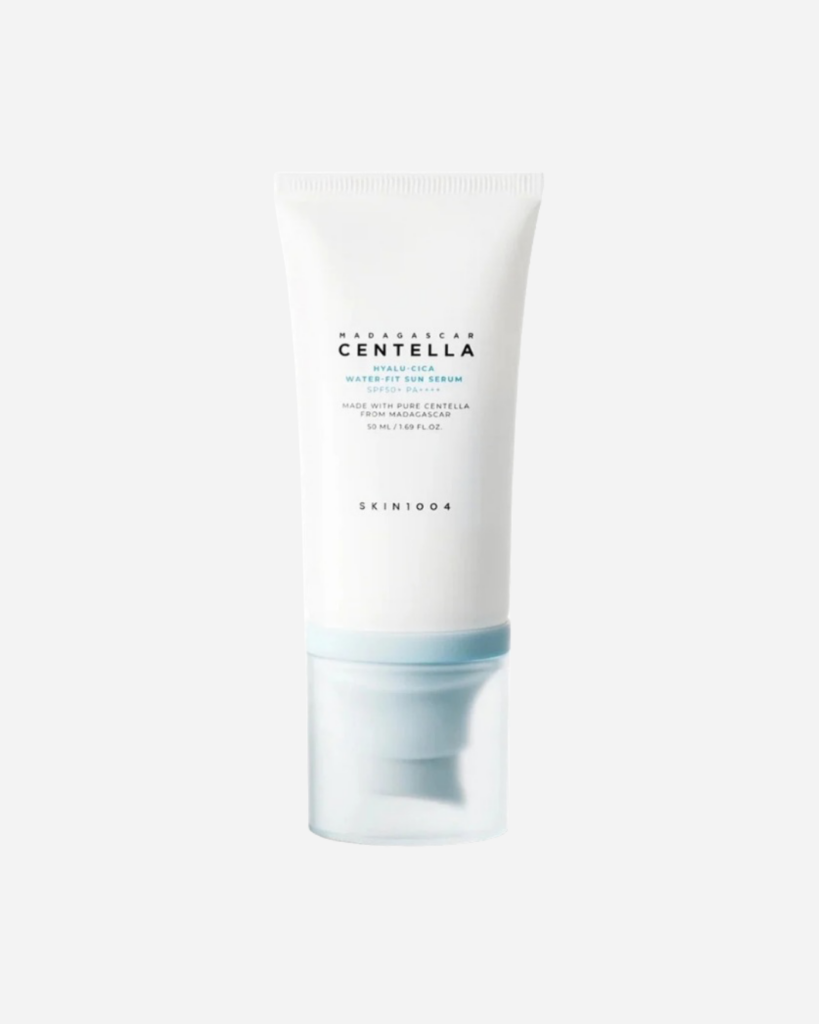
Try: SKIN1004 Madagascar Centella Hyalu-Cica Water-Fit Sun Serum SPF50+, $33.
Gentle retinal
As “slow ageing” replaces aggressive anti-ageing, retinal and retinol-adjacent formulas are being used in ways that feel more skin-supportive than irritating, as can sometimes be the case with vitamin A derivatives.
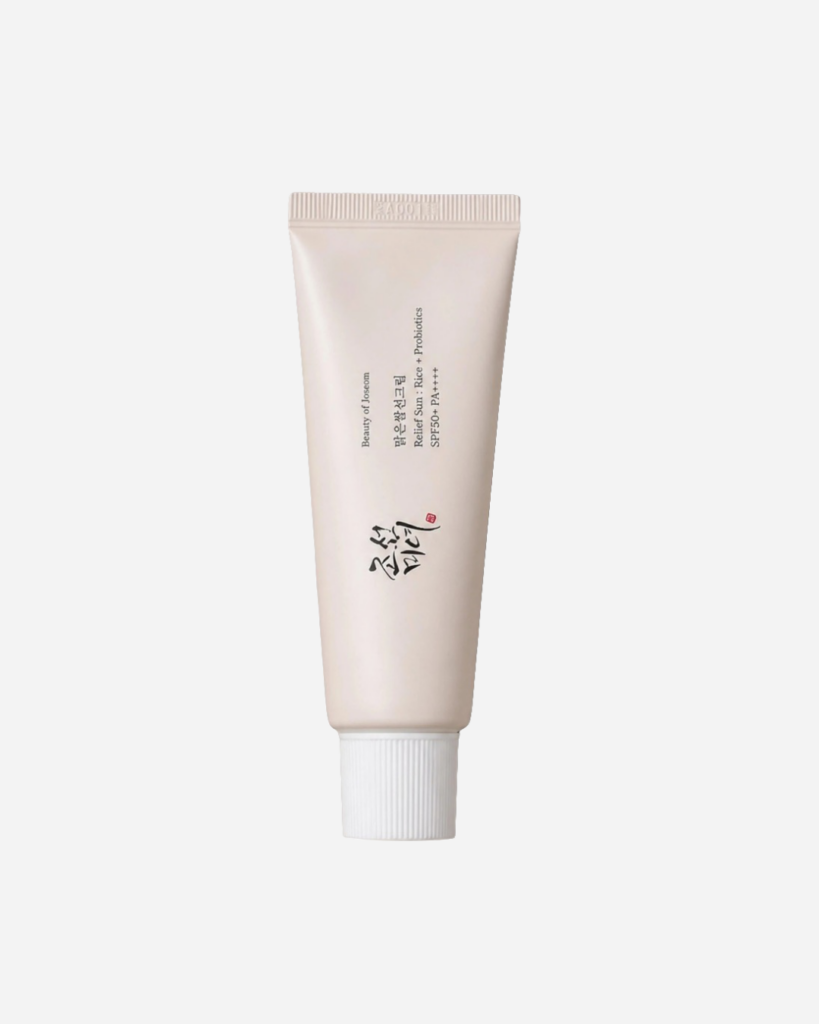
Try: Beauty of Joseon Revive Eye Serum: Ginseng + Retinal, $29.
Despite this extensive list of viral ingredients and innovations, Ko insists that starting with the basics is important when implementing a K-beauty skincare routine. “One of the biggest misconceptions about K-beauty is that it requires a 10-step routine,” she explains. “In reality, many Korean skincare products are designed to deliver multiple benefits in a single step, allowing consumers to build simple, effective routines tailored to their skin concerns.”
Ko says a double-cleanse routine, a moisturiser, and an SPF is the perfect place to start.
An hour after taking off my sheet mask, applying my bean essence and finishing with Purito Seoul Oat In Calming Gel Cream, which seems logical after the spicy mask, my skin feels incredibly smooth. Even better, it looks glassy, visibly tighter, and, quite honestly, reflective. It’s my first time trying all three of these products and, even though the mask seemed like it should have left my face looking rather fiery, there’s not even a hint of irritation.
This is not to say I endorse trying new skincare as flippantly as I have. Patch-testing is wise, and anything active, exfoliating, or treatment-adjacent should be introduced slowly. But I can see what K-beauty fans mean about the category’s commitment to the skin barrier and moisture repair.
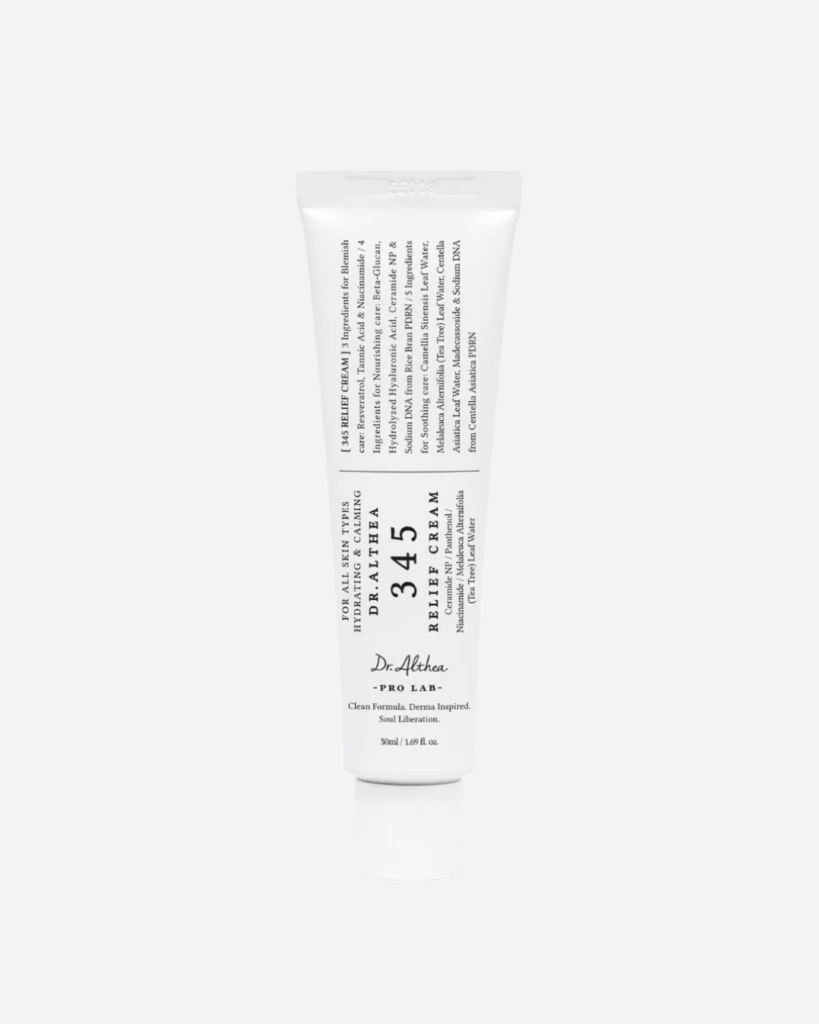
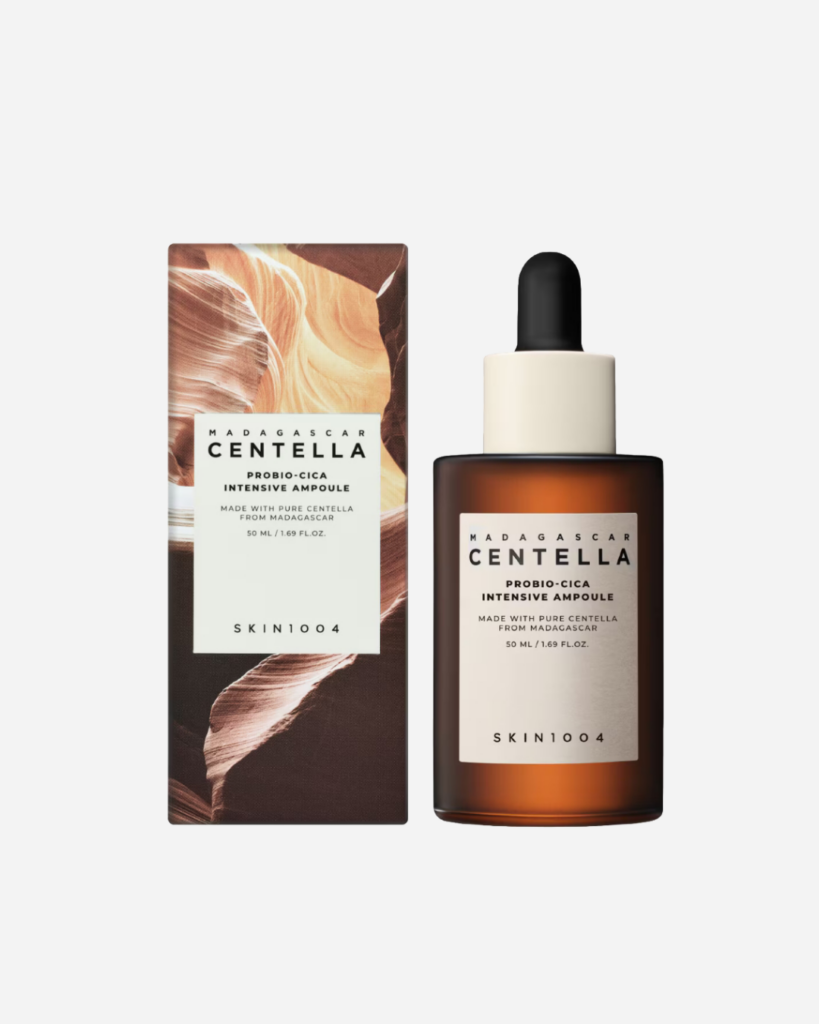
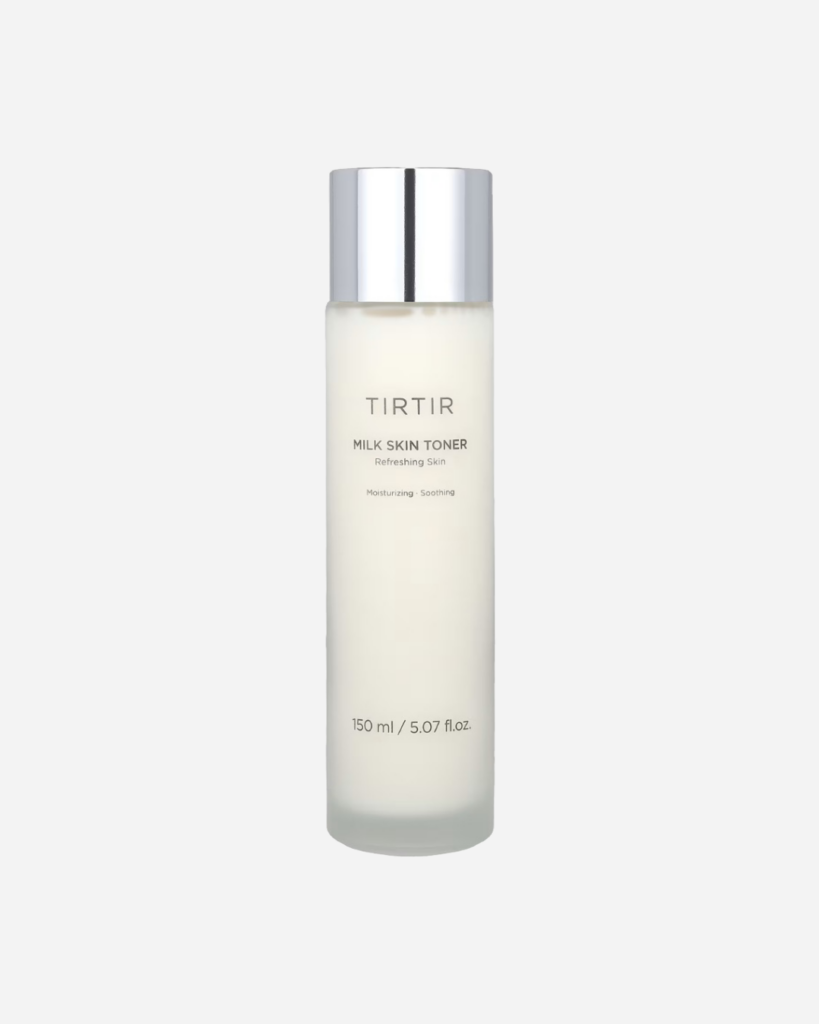
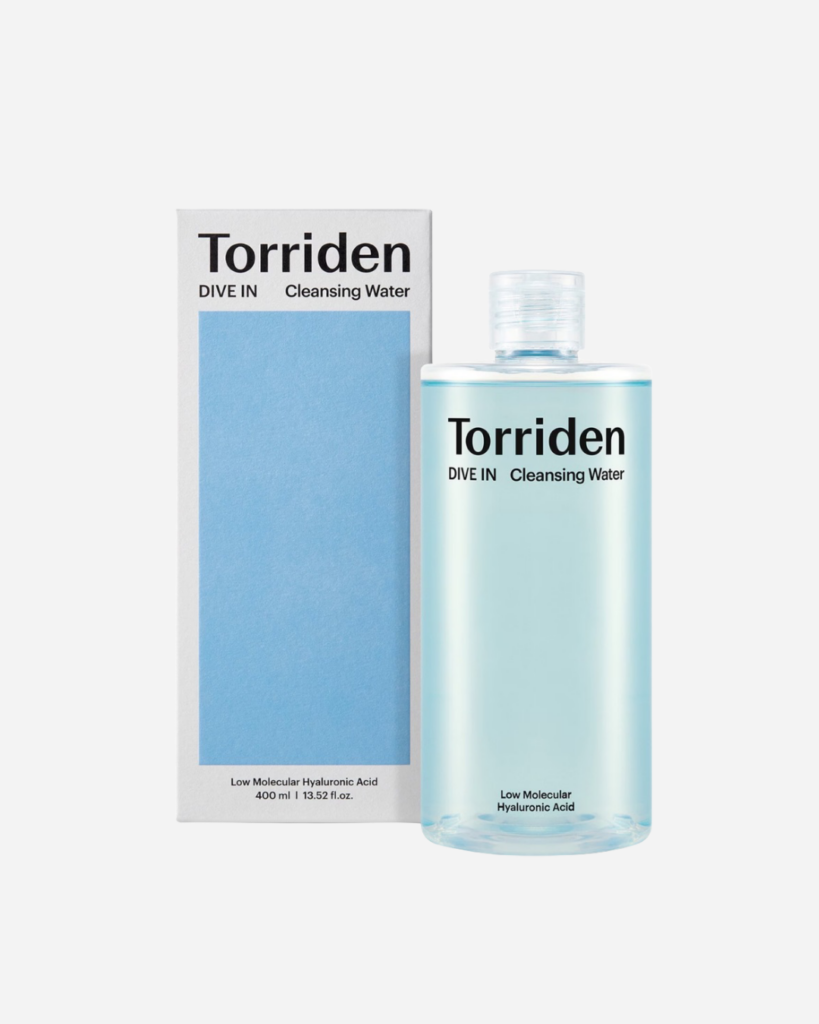
I’m now itching (not literally though) to dive deep into TikTok and get my K-beauty algorithm going. For now, I will leave you with a list of some of the most-loved, repeatedly purchased Korean skincare products from New Zealand’s biggest K-beauty fans. You’re welcome.
This article originally appeared in the Spring ’26 issue of Fashion Quarterly.
Words: Lucy Slight.
Imagery: Launchmetrics/Spotlight.