

Cultural artefacts of the infamous creative rebirth follow us everywhere. From The Writer’s Way, The Creative Act to the famed Eat Pray Love, but what about the everyday ones? The ones that begin with an itch, a creative death in corporate, or simply — a no. I sit down with three creatives to recount the journeys of their personal redefinitions.
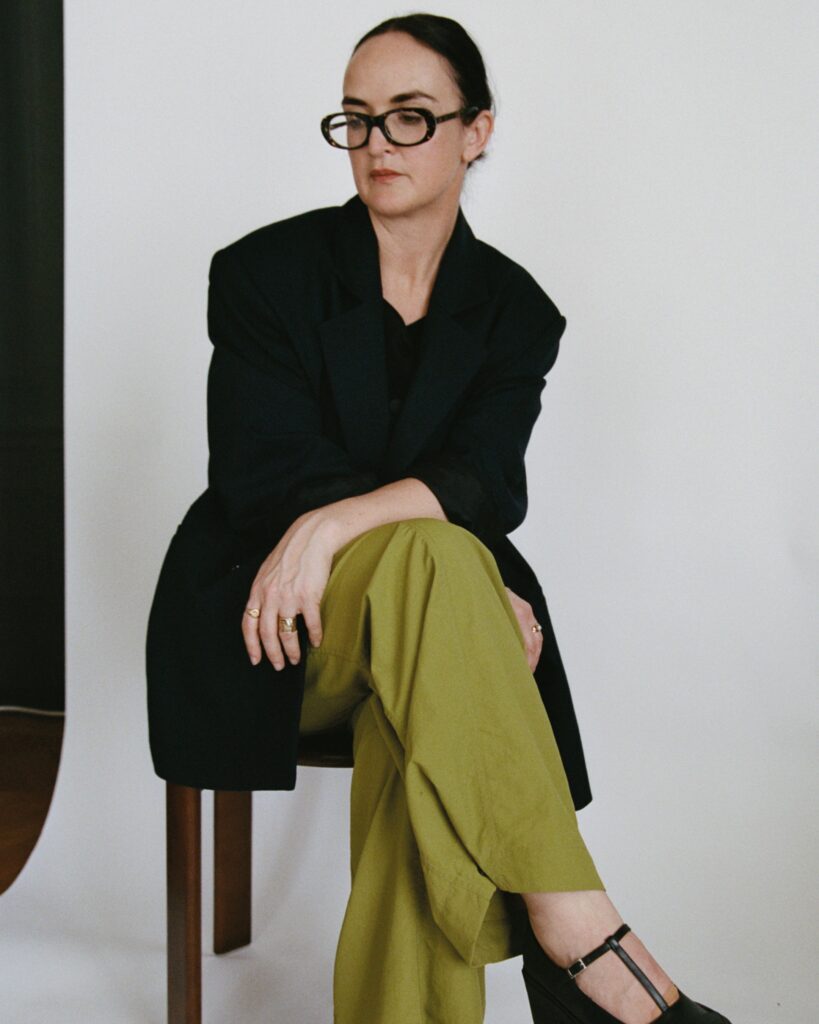
Frances Shoemack, Founder and Creative Director of Abel
Shoemack dials in from the brand’s headquarters in Wellington’s Aro Valley to reminisce about her past life in winemaking. “It feels a bit of a lifetime away,” she admits. Her start began with a Bachelor of Viticulture and Oenology at Lincoln University, followed by a graduate role as a winemaking cadet at Villa Maria. “I’ve always been drawn to the intersection of art and creativity, and where art and science kind of live. A wine is only as good as the grapes,” Shoemack explains, hinting at where her passion for biotech ingredients began.
One of her most formative experiences during her time at Villa Maria was the blending sessions. A privilege bestowed at larger-scale wineries, it involves “looking at hundreds of different unique batches and how they come together,” she recounts. Abel never would have been born if she didn’t leave wine though.
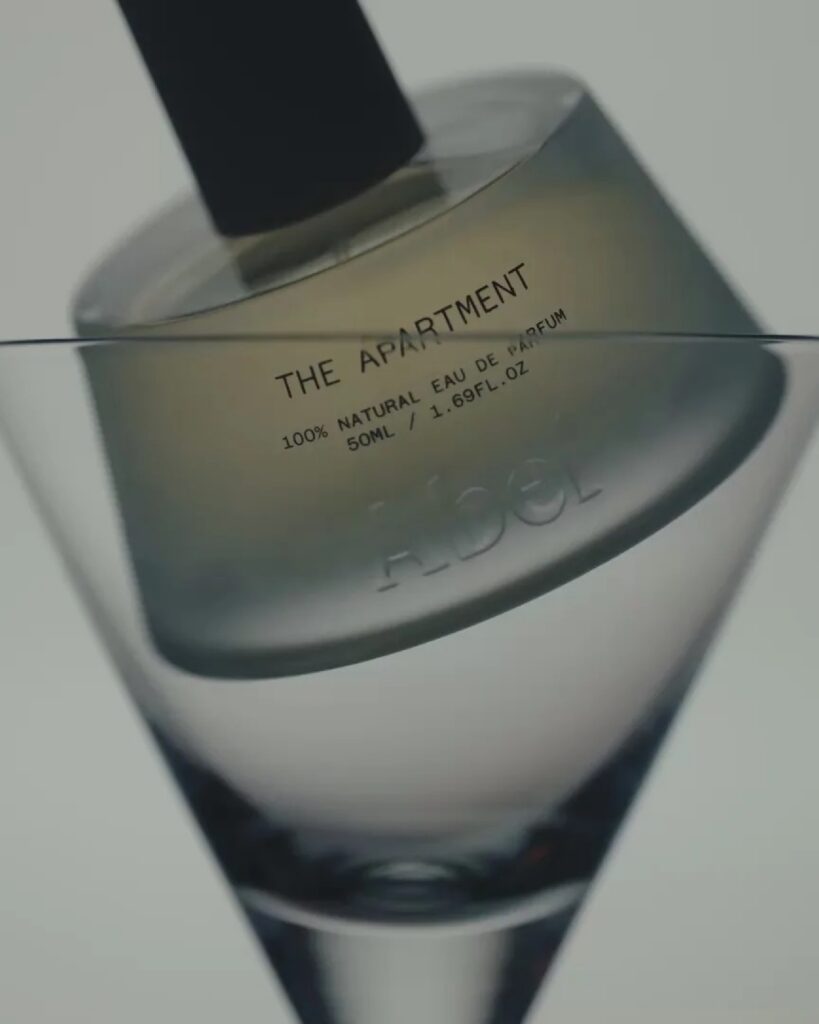
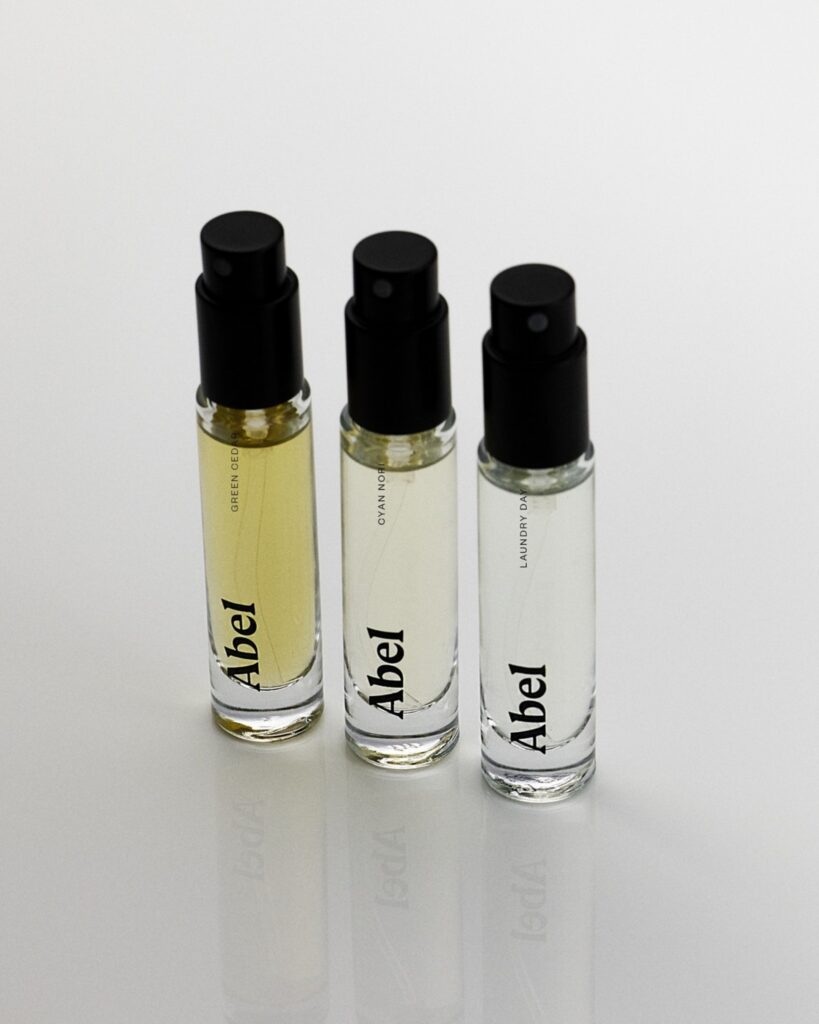
In 2011, she followed the calling of Europe with her then-partner (now husband) Dave Shoemack. “I knew I was leaving wine behind. Especially in those days, Amsterdam was a beer city.” But the sacrifice proved worthy, a new love affair began — the emerging world of niche fragrance. It was in contrast, however, with the restlessness in her new role at a start-up. “I thought wrongly that I enjoyed marketing, but I realised I just enjoyed marketing wine.”
Shoemack’s brain was also in a loop. Natural, as a category, was booming in skincare but lacked seriousness in the often neighbouring fragrance hall. “There’s a total lack of transparency in fragrance. You don’t have to share what you put into it. People think of it as less functional and more romantic.” She adds: “There’s a bit more dissonance between what goes in and what you put on your skin.”
Thirteen years have passed, and with Abel reaching its teenage years another rebirth arrives — the call to return to Amsterdam. The business will relocate to where it all began. Shoemack is not afraid though. “I think… what’s really important in all aspects of life is being able to let go of your preconceived notions. It’s what ages us very quickly.”
Lu Blade-Bittle, Co-Founder of OHEN
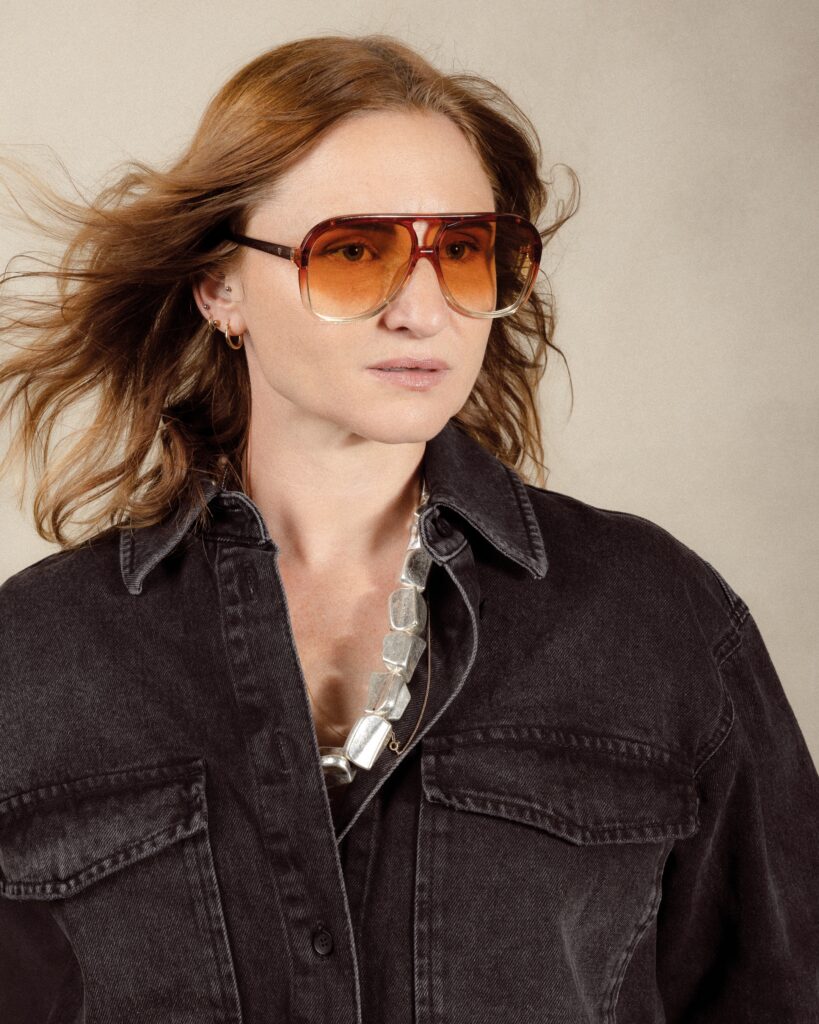
A former banking digital lead who jumped headfirst into lingerie, Lu Blade-Bittle discovered that the structures of these opposing worlds might be more similar than one thinks. The year is 2020, and Blade-Bittle is locked inside. “As we went back into what was the ‘real world’, I realised that having flexibility and being available to better balance was crucial to me.” Blade-Bittle had spent six years climbing through the ranks of Heartland Bank, eventually becoming their Head of CX (customer experience) and Insights. “It was about creating something from nothing. I have a background in psychology and I was always interested in human behavior.”
The itch pre-pandemic turned into an almighty shake. Blade-Bittle needed to free herself of the “golden handcuffs”, she says. She left her job without a plan. Her newfound anxiety required the classic route of retail therapy. “There’s deep psychological research that says your clothing affects your mood. It starts with your lingerie.”
The only problem? She couldn’t find the perfect piece. “It took me down this road of trying to understand if it was a problem more women had. The bigger issue with it was that, why couldn’t it be beautiful, comfortable, and functional?”
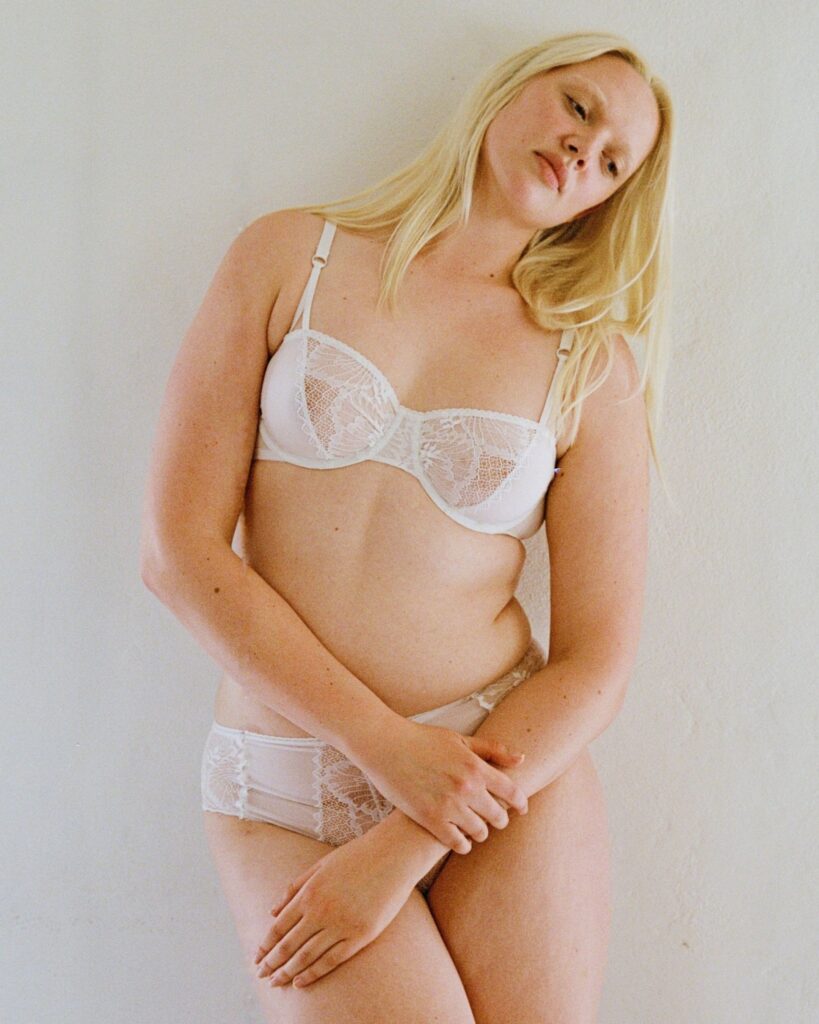
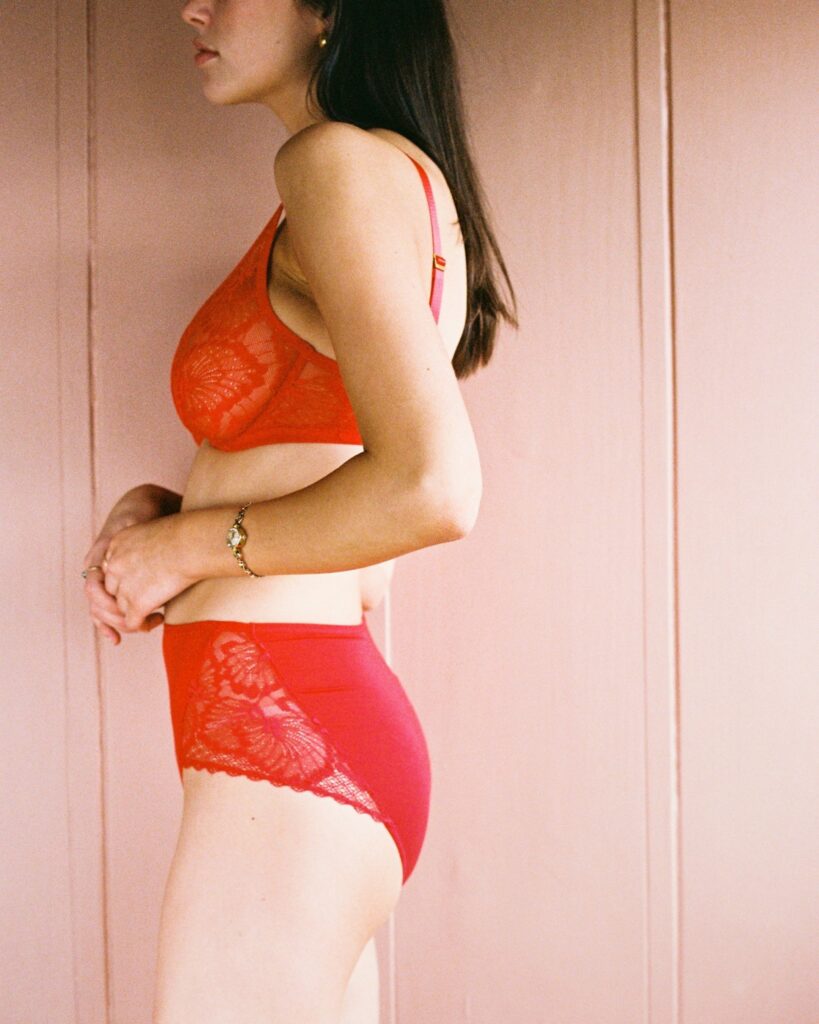
A friend connected her with Anja Bucher, a former designer at Lonely Lingerie. A drink turned into a business proposal. Within a few hours after their wine, Bucher texted her back. She was in.
OHEN was born in 2024. “The biggest learning curve for me was how complicated, technical, and detailed lingerie design is. I went into it with such a naive perspective.” OHEN’s bestseller is their most elaborate — The Balconette features over 30 individual components. From the impracticality of silk straps to two-way stretch, she recounts that in learning the language of lingerie design, “Anja and I still laugh about some of the references that I sent her. She [Anja] pushed me to have a slightly rebellious edge, whereas I gravitate towards a more clean aesthetic.”
Collaboration has been crucial in her creative rebirth, both internal and physical. She uses Chilli, the brand’s brightest colourway, as an example. “We had no data or research or anything that this was going to be the colour we should launch. It was gut instinct and picking just the perfect Pantone of red.” Each “ridiculous number of lab dips” instills a deeper confidence in instinct. Blade-Bittle is no longer simply creating systems, she is redefining them. “We’ve had beautiful experiences with mothers bringing in their daughters as well. It’s that next generation of women. We’ve all had that horrible experience of having a bra fit and being uncomfortable, I love that we can give a different one.”
Rachel Soo Thow, Content Creator

A former beauty executive turned creator, her journey has been one of self-actualisation. Soo Thow dials in from her Henderson home, where I spot the familiar maze of art in the backdrop. It’s a scene I recognise myself from consuming her beloved book reviews.
“Growing up in an Asian household, you’re so used to the traditional yellow brick road of all the things you need to tick off. You go to school, you pass NCEA, you get into uni… You get a good job. You find that, then a good boyfriend to settle down [with].”
The first tick was an entry-level role at Farmers in the beauty team. The year was 2010, Apple had released the first iPad, and Instagram had just launched — Soo Thow made an account. Her career progressed next as a business development executive, acting as the bridge between brand and retailer, and looking after “over 300 pharmacies and 50-plus pharmacy stores.” Often, she says it felt like being in “panic mode [and] walking on eggshells. I remember there was an entire probably two, three weeks where I would turn up to work; look at my emails, open up my computer, I would just cry.” Part of this burn out was a little secret, she’d built an audience with the Instagram account she still calls her “visual diary.” Her hours upon leaving the office until 1am were spent catching up on pages, writing reviews, and shooting content.
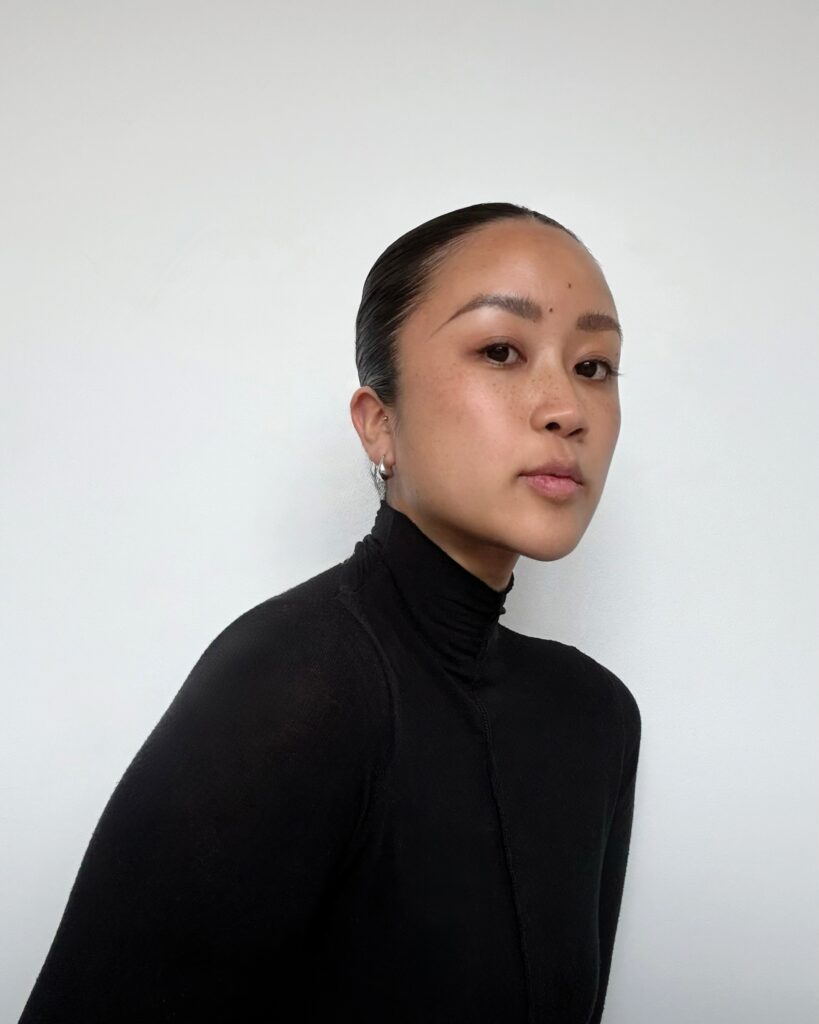
When Soo-Thow found the courage to approach her management to propose going down to part-time — they declined. It freed her. She’s amazed that her innocent passion could allow her to leave.
“You’d participate in things called book tags. Someone would tag you on a trend — it’d be your five favourite fiction books, or whatever, then you’d pass it on.” Chainmail-like and community-spirited, this was a world before the classification of the “intellectual influencer” by trend forecasting companies. The handbag of the moment is now the book of the moment, and Soo Thow knows this.
“I’m more of what they would call a mood reader,” she says. Her refusal to post on the ‘status’ book of the moment is perhaps part of her cult following. She jokes, “I’m probably hoping to find it in an op shop three years later… Those people I used to tag, those little book accounts when I first started are now my closest friends.” Some of them are influencers now too, and she admits, “Barely anyone reads reviews anymore. Everything has become so much more visual.” It’s been a year since she went fully freelance. When she’d quit, she had reached just over 100,000 followers and now sits at over 200,000. And with her first baby on the way — a daughter — she’s about to enter a new rebirth. When asked what she would want to teach her, she says “I would want her to go, follow, explore, any type of pathway [she wanted]… ”
This article originally featured in the Winter ’26 issue of Fashion Quarterly.
Imagery: Supplied.
Words: Yawynne Yem.