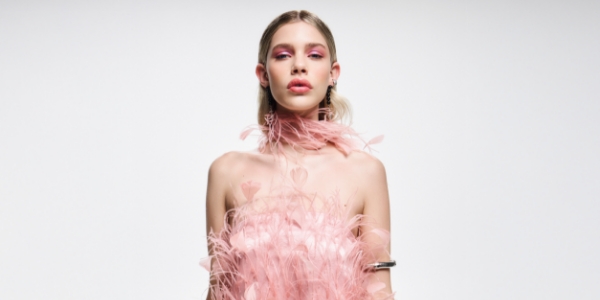


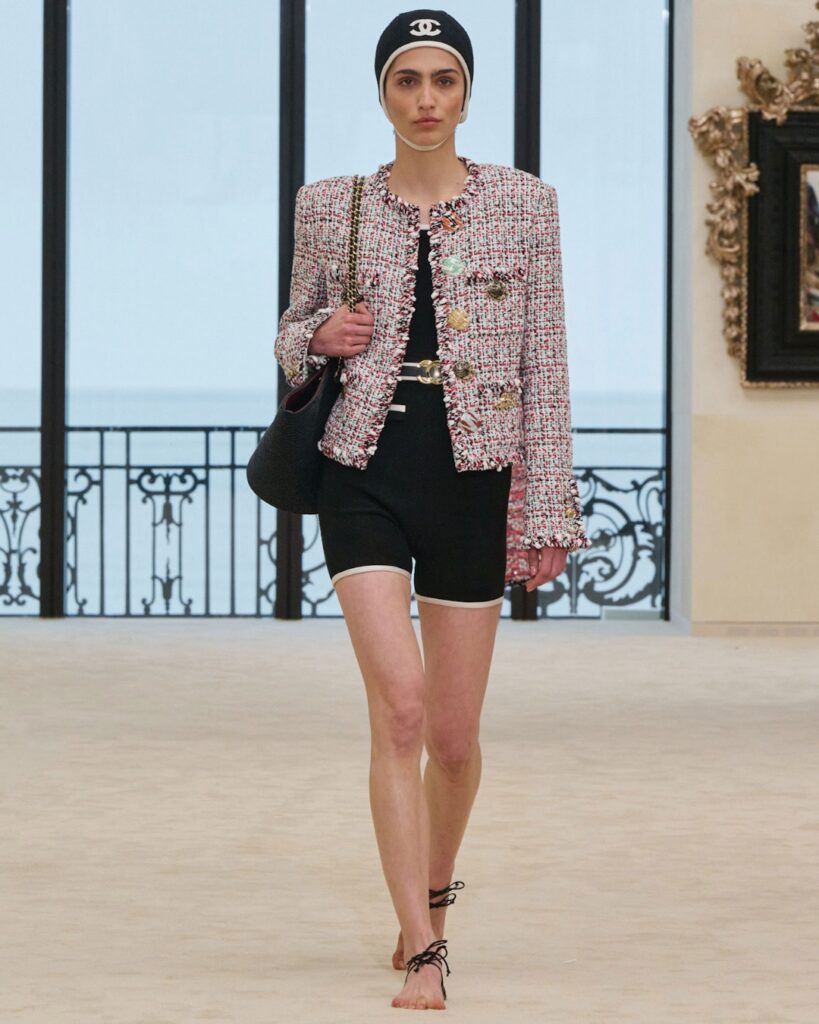
The most talked-about shoe this fashion year is not a shoe at all, but a soleless sandal that wraps around the heel, and nothing else. The ‘heel’ made its debut at Biarritz’s Casino Municipal for Chanel’s Cruise 2026 collection, and it is rumoured it will be priced upwards of US$1500 when the collection hits the shop floor in November. In the meantime, fashion watchers are divided as to whether the ‘shoe’ is the embodiment of barefoot luxury, or a fitting display of designer fashion’s shortcomings. While certainly avant-garde, it has revealed the Achilles heel of the luxury fashion industry as a whole – that it can fail to meet customer needs in our attention economy.
Georg Simmel’s 1904 essay ‘Fashion’ was one of the first serious commentaries on dress and trends. It stated: “The elite initiates a fashion and, when the mass imitates it in an effort to obliterate the external distinctions of class, abandons it for a newer mode – a process that quickens with the increase of wealth.”
One hundred and twenty-two years later, it seems the luxury fashion cycle has spun out. ‘Taste compression’ is the latest label for the flattening of fashion – where micro-trends and social media algorithms have steamrolled personal style into specific items to covet. Now, many shoppers don’t wish to keep up. Bain & Company’s Worldwide Luxury Market Monitor has shown the global luxury industry’s customer base shrunk by 50 million between 2022 and 2024. Despite being the best in the business, LVMH – which grew exponentially through luxury brand acquisitions over the past four decades – is now selling off fashion brands, including Off-White and Marc Jacobs, like they are going out of style.
The real fashion faux pas is that luxury labels have been exponentially increasing their prices as they try to distinguish themselves. And while luxury labels pull a huge amount of resources into creating and selling status items, purposefully prohibitive price tags don’t always swing in brands’ favour. Hermès Birkin handbag, for example, has become a household name, with starring roles in Sex and the City, The Royal Tenenbaums and Don’t Look Up and can be purchased (if you are fortunate enough to be offered one in store) for anywhere between US$10,000-$100,000. Of course, that’s not attainable for most of the population, and so the counterfeit Birkin business is booming, with notable dupes including the ‘Wirkin’, which was sold on Walmart’s website in the United States.
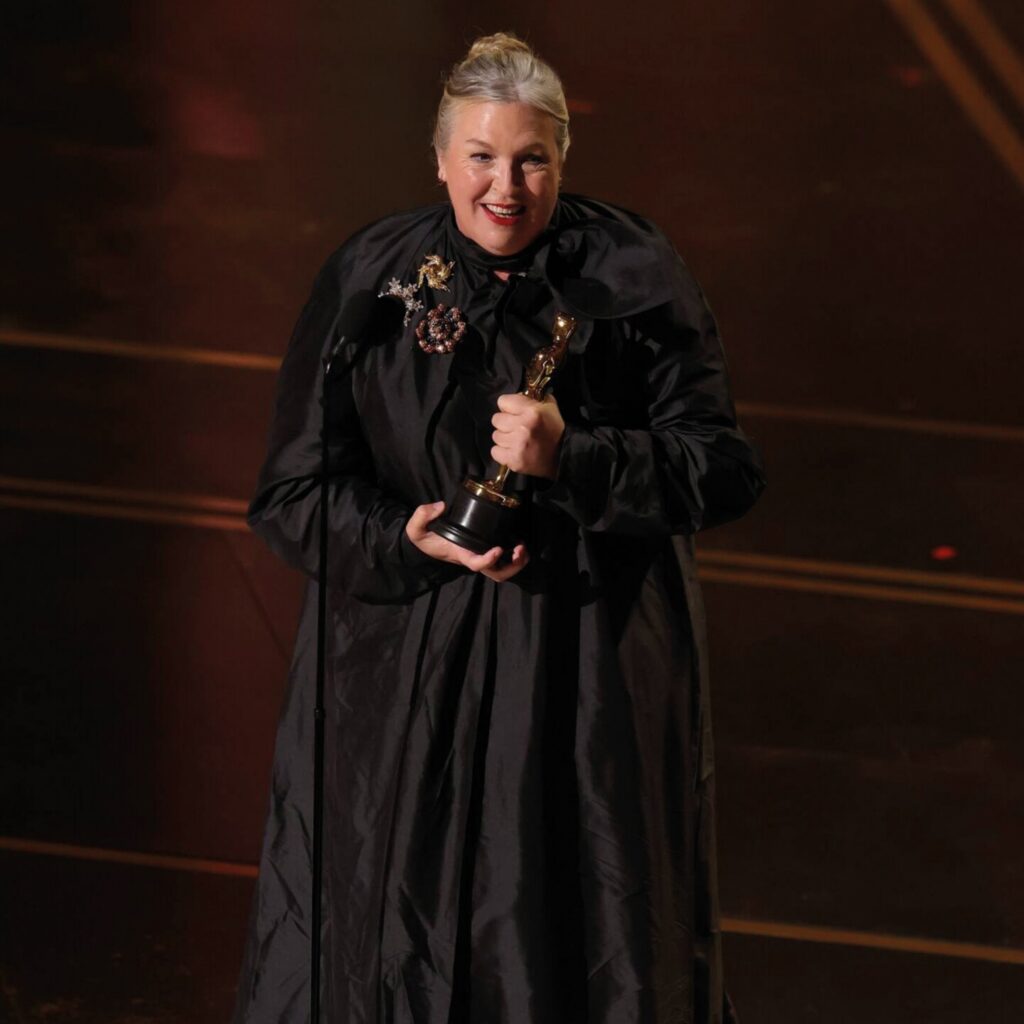
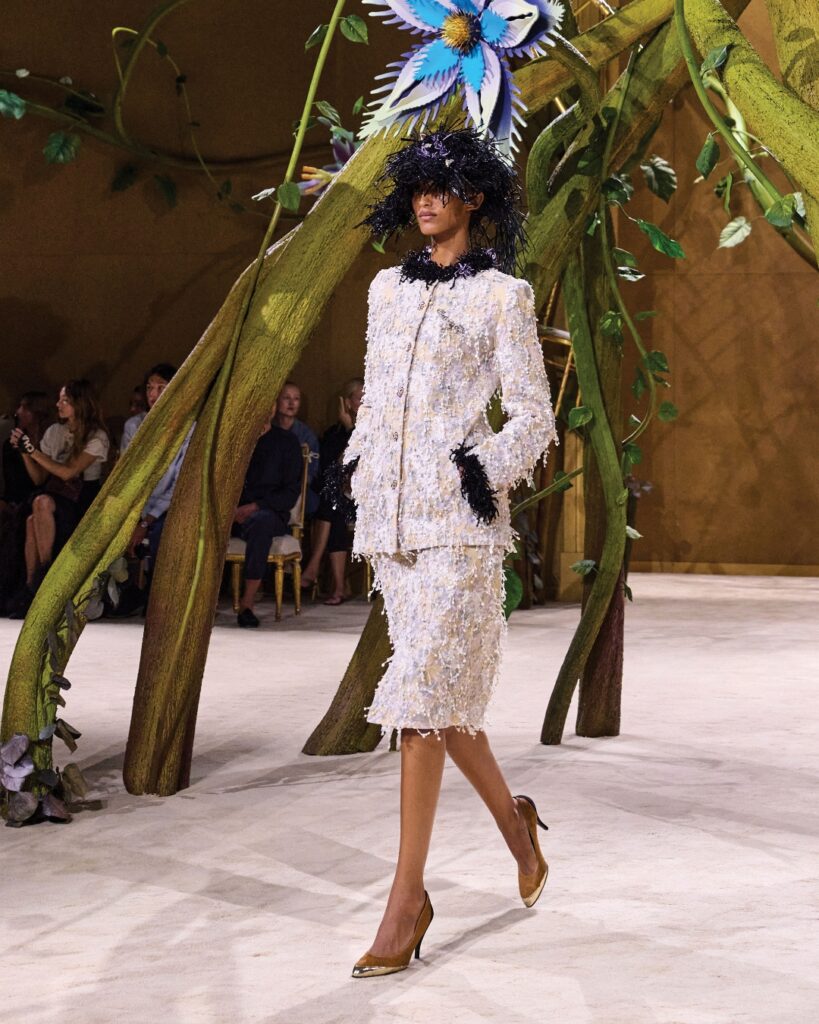
Interestingly, Chanel is one of the only luxury brands that is defying the luxury decline trend. This is largely attributed to new creative director Matthieu Blazy offering joyful clothes that subvert the expectations of elite fashion. Instead of heavy tweed skirt suits for ladies that lunch, his most recent collection at Paris Haute Couture Week offered a fairytale style, with light fabrics that eschew the age-old fashion fear of being over-dressed. Despite Haute Couture being the most fantastical Week of the fashion calendar, Blazy didn’t tell an elaborate story to entice VIPs in the show notes, and instead wrote: “I cut everything that was too opulent, and we really focused on the clothes. I was inspired by the life of women every day.”
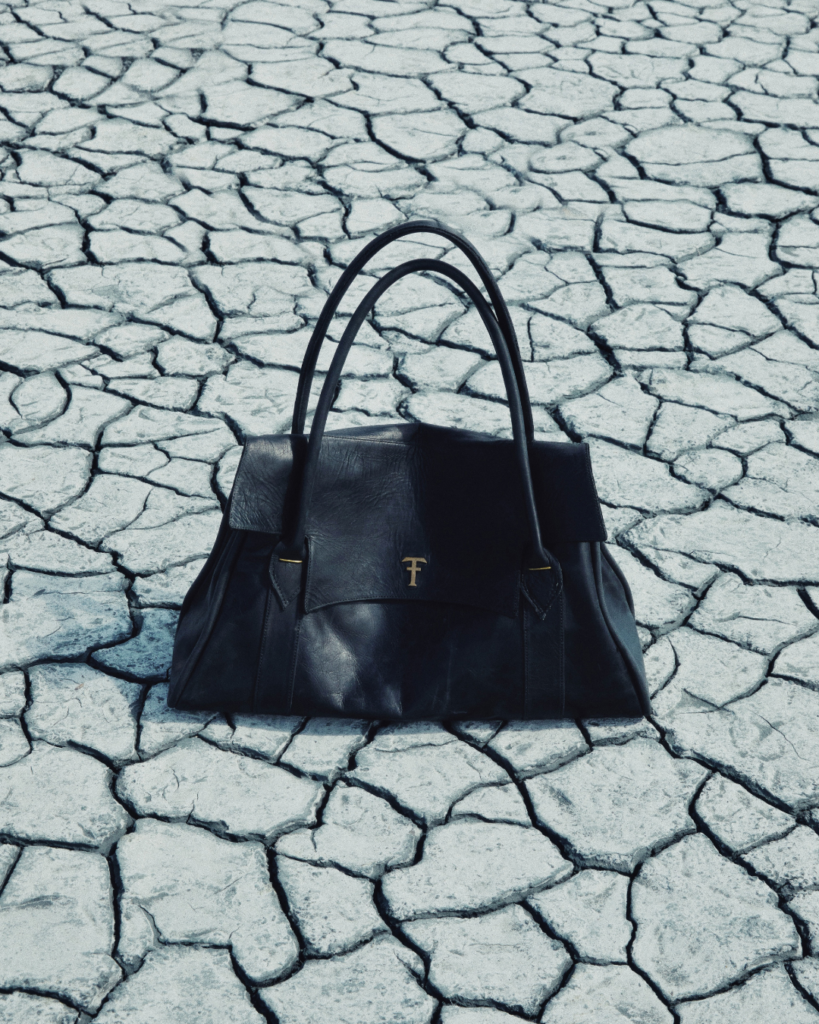
Both Chanel and Dior (another prestigious show at Haute Couture) have been quietly acquiring independent ateliers, including the Paris-based shirtmaker Charvet and Tuscan leather specialist Art Lab – respectively – in order to become the masters of their own crafts. One they haven’t managed to buy up yet is the Belgian-based Dragon Diffusion, which is founded by Craig Wright, a Christchurch-born, Kaikoura-raised craftsman who has made handbags for Chanel, Dior, Louis Vuitton, Loewe, Prada, and Bottega Veneta. His Dragon Diffusion offers bags that are rooted in global basketry traditions (including kete) and made by artisan weavers in India. They’ve earned a cult following. Like a Birkin, these bags are also carried by Ashley Olsen, but priced between US$400 and $600, they are missing a couple of zeros.
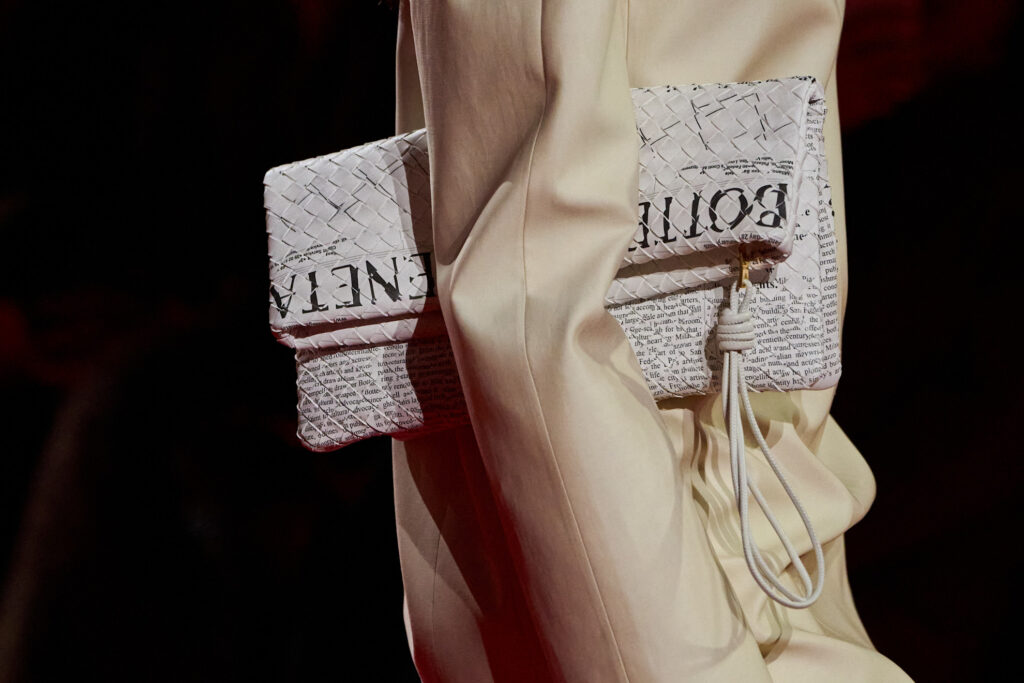
Other designers who are finding success in 2026 also focus on real women and personify their own personality through style – Miuccia Prada, Phoebe Philo and Ralph Lauren’s distinct design languages come to mind.
While those working in the New Zealand fashion industry have felt the squeeze of skill shortages and shrinking margins (and we’ve had to witness some of our favourite independent labels fold), local designers who have a strong sense of identity, and who champion craft and quality, can connect with like-minds around the world. For joyful dressing, there’s Caitlin Crisp. For the meticulous, Harris Tapper. And for a twist, there’s Zambesi.
“At its simplest form, the choice is a luxury. I feel very lucky to work in an industry where I can dress in fabulous clothing every day without rules or restriction,” says Caitlin Crisp, who sees luxury in the shopping experience, as well as how one feels in her clothes. “I am conscious to keep my messaging positive and to always go above and beyond for customers whenever possible. If someone walks through our doors, they have chosen to spend their time visiting us, and I want to make that a good experience every time.”
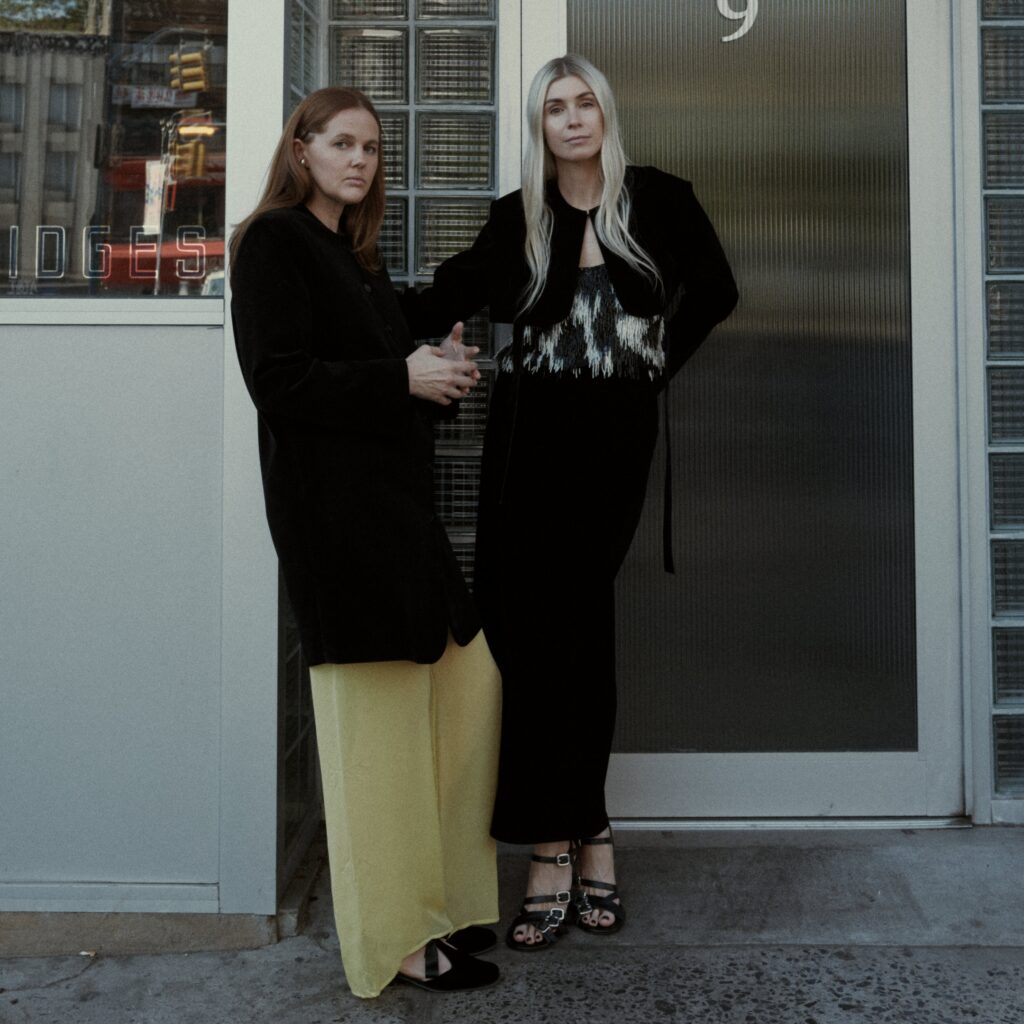
Of course, fashion is tactile, and luxury designers feel this difference. “Each designer offers their own interpretation, but for us fit and fabric really separate luxury market from entry,” says Lauren Tapper of Harris Tapper, which has recently broken into the US luxury market with Moda Operandi. “Fabric; fibres like wool, silk, cashmere… have soft supple hand-feels and come at a premium price. Fit; this takes time and skill. We work with incredible pattern makers who’ve had years of experience across tailoring and lingerie, ensuring every garment has multiple iterations and toiles to refine the final fit of every piece we make.”
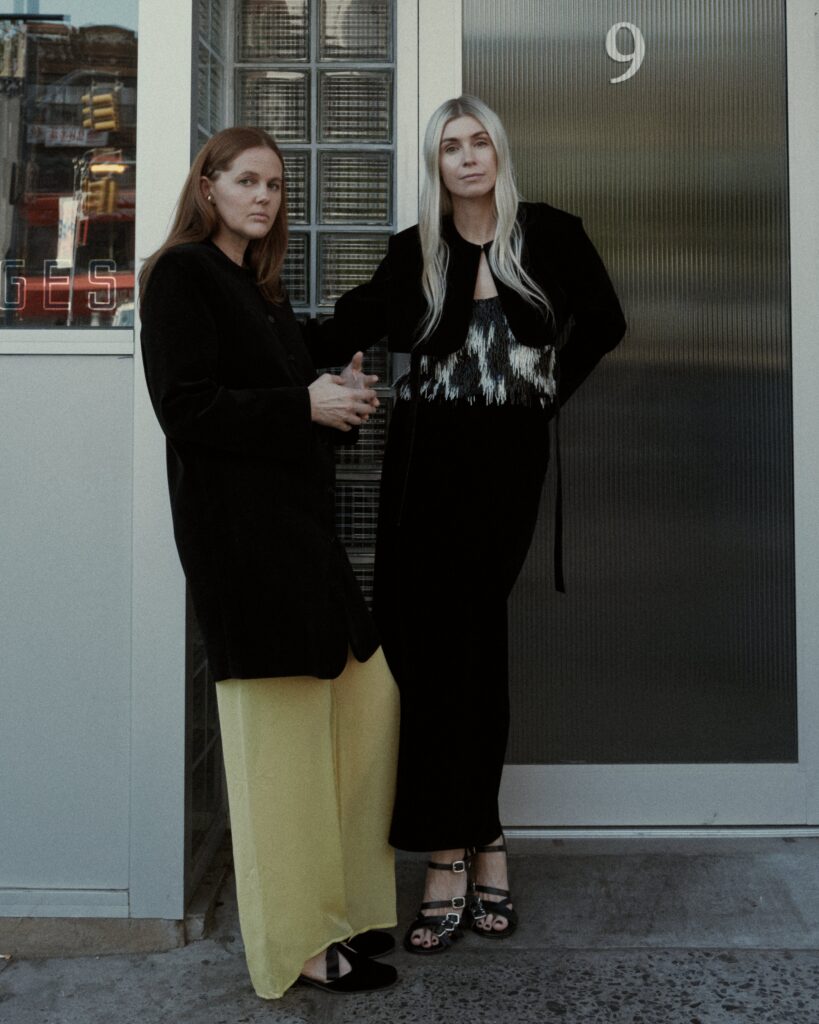
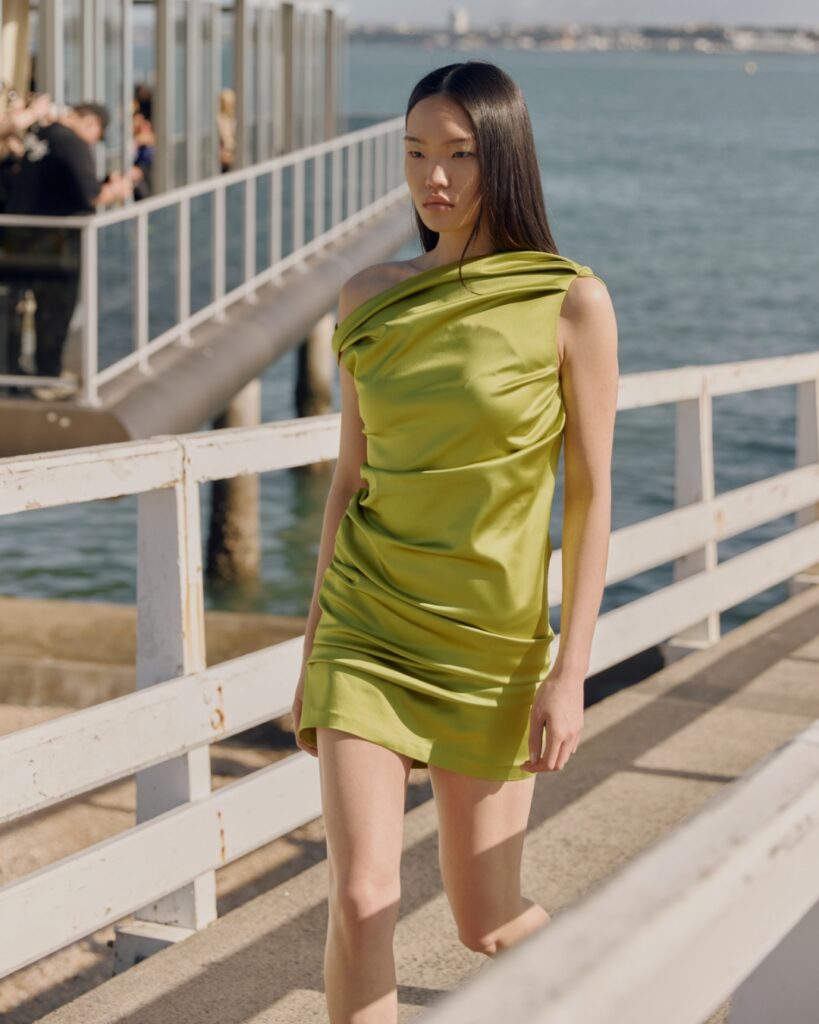
These brands are not telling a new story every season, but building an overall character arc. It’s not about creating a [insert label here] woman, but creating pieces that tap into how we would like to be perceived.
“We don’t design for a fixed idea of a ‘Zambesi woman’,” says Marissa Findlay of her family’s label. “We design for individuals with a strong sense of self – people who dress with intention rather than following trends. The garments are designed to become part of the wearer’s own identity, allowing for interpretation and personal expression.”
One of the greatest luxuries in fashion is understanding what you need when shopping, and dressing each day to your intentions. Author and stylist Eleanor Cripps’ limited-edition book Intuitive Dressing flicks through the dilemma of an overwhelming wardrobe and shares how to make space for fashion pieces that honour your lifestyle, while still creating moments of excitement.
“Once you know your own style, in your body and intuition… you stop buying for the woman you imagine you should be and start dressing the one who’s actually living your real, true life,” says Cripps. “That clarity is worth more than any fancy handbag.”
Luxury is in the little things. “A fabric that feels incredibly soft on the skin, a hem that sits exactly where it should, the small miracle of getting dressed in under five minutes because everything in your wardrobe already makes sense together.”
Change is afoot in the luxury fashion industry. “I think we’re entering a lovely correction,” continues Cripps. “For years, luxury meant more. More logos, more money spent, extensive wardrobes filled with clothes that might never be actually worn. I think what’s emerging now is something gentler and, frankly, more grown-up: luxury as discernment. Buying less, but loving it properly. Choosing pieces, and often from small, independent labels, because they were made with immense love and care, not just marketed with big budgets. That, to me, is fashion finally growing up and coming home.”
Little luxuries money can’t buy:
- Receiving a compliment on a new outfit you put together
- Finding your old favourite tee at the back of your wardrobe
- It finally being warm enough to wear your sundress
- Managing to perfectly iron your shirt – all the way down to the cuffs
- Finding the last pair of shoes in your size to buy
- A belt with button holes that fit throughout life’s many transformations
- That hair tie with the exact right amount of elasticity for your low bun
- A sunhat brim perfectly shading your face – with no red nose or chin in sight
- Pulling off a symmetrical eye shadow look
- Washing your hair after a new haircut, and it actually falling into place
This article is exclusive to the spring ’26 issue of Fashion Quarterly. On-sale August 17.
Words: Jessica-Belle Greer.
Imagery: Launchmetrics/Spotlight.