

My mum grew up on a sheep station in Waitaki. When her father passed, her brother took over the reins, then his son after that. We don’t visit nearly enough, but on one fly-by a few years back, I was given an old woollen jumper that had belonged to my grandfather. Soft yet scratchy with a dense, honest weight, it had that earthy, animal scent that never fully leaves wool. His name was scrawled on a tag on the back, and save for one hole and a wee stain, the almost 100-year-old jumper was in great nick. It instantly became my most meaningful piece of clothing.
Does it look good? Hell, no. It’s homespun from chunky wool, featuring a Fair Isle design in an array of browns — very tradwife. But do I wear it? Absolutely. Because, beyond being warm and reliable (bow down to the natural resilience of wool), it ties me back to a place, a person, and a piece of my family history. An heirloom puts feeling over fashion. It passes through generations, accumulating memory and identity along the way. It’s the ultimate antidote to fast fashion, but one that often arrives after a loss or a milestone. Surfacing with its emotional afterlife in tow, these vestiges can feel beautiful, bittersweet, or both.
Zoë Williams knows this layered emotional weight. The Zoë & Morgan creative has been woven into countless engagements, weddings and major moments. “Creating a new piece is extremely personal. There are different stories, cultures, and religions involved,” says Williams. “I ask clients quite intimate questions to find what’s meaningful to them, then translate that into a piece, with respect.”
Conscious that these pieces may one day become heirlooms themselves, Williams often engraves dates, names, or symbols into the jewellery. “Gold lasts longer than we do. If you were to lose your wedding band in the garden, someone may find it 100 years later, and those markings will be there to tell a part of your story.” On her own wrist hangs a bracelet made by the jeweller who inspired Williams’ career — her father. Handmade with gold links, its central, smooth-cut ruby is flanked by two opals. He gifted it to her when she turned 14.
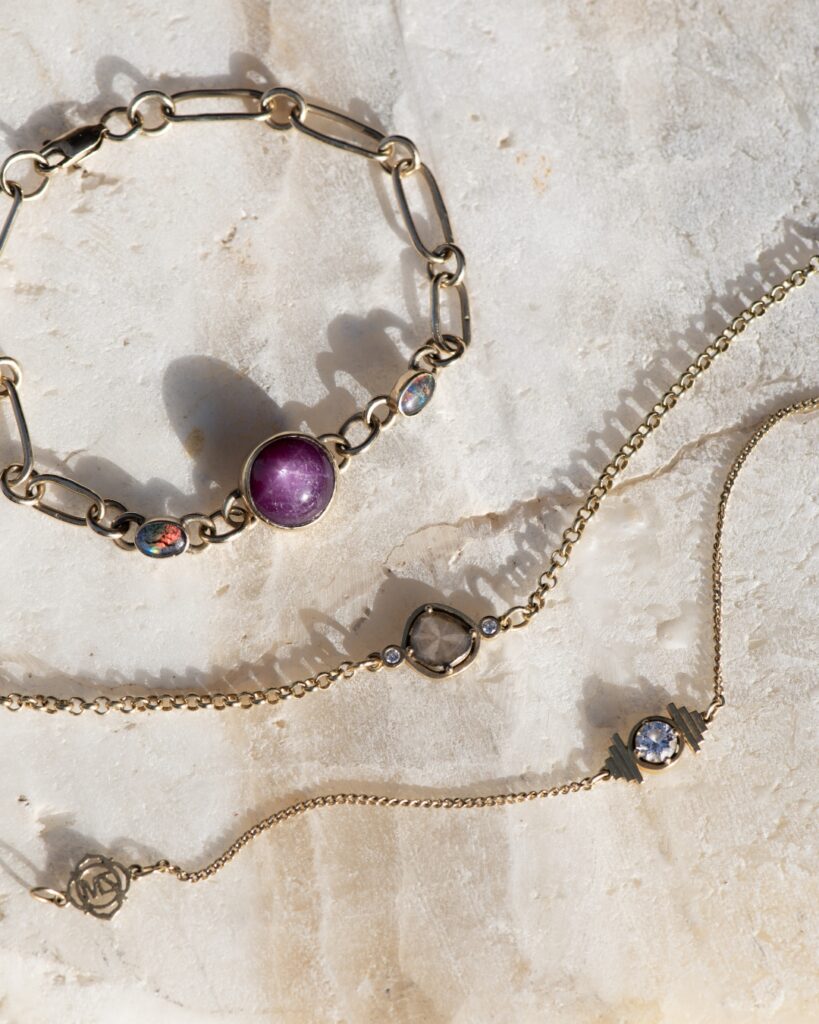
“Being handmade, the essence of it feels like a connection,” says Williams. “Like I’m linked to my dad in spirit, to the stories that he gave me, to our love, and through that he joins us in this jewellery business.” Curiously, when her father passed, the opals lost their colour and Williams couldn’t bear to put it on. “But after a couple of years, I started wearing it again, and the colour came back. Now I almost never take it off.” On her own daughter’s 14th birthday, the jeweller continued the tradition with a bracelet of her own design. A solid gold chain with a slice of natural diamond in the middle.
“We both have a piece of the same diamond, so no matter where we are, we’re energetically connected, wearing a piece that came from the same piece of the earth.” You hope that whoever inherits these pieces carries them with the same care, keeping that memory alive. But an heirloom is also a privilege, and not always tangible.
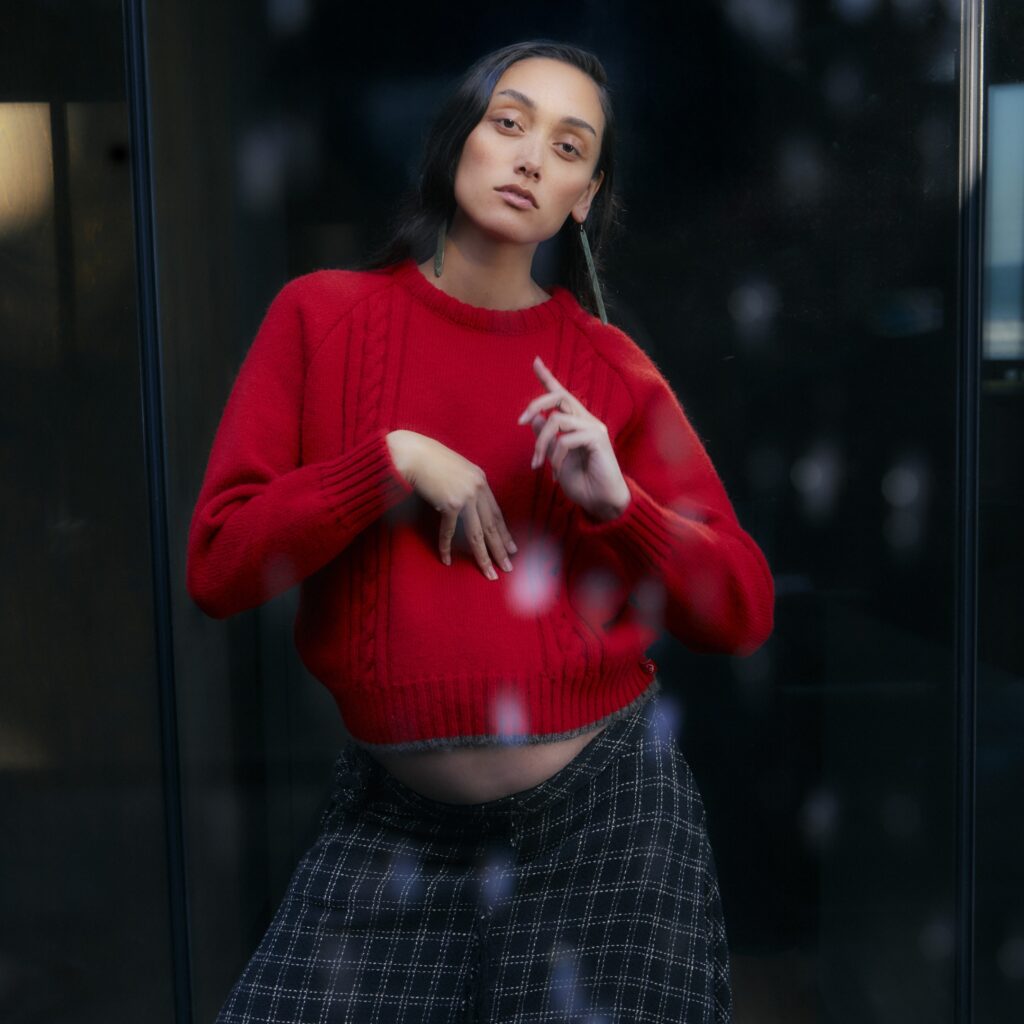
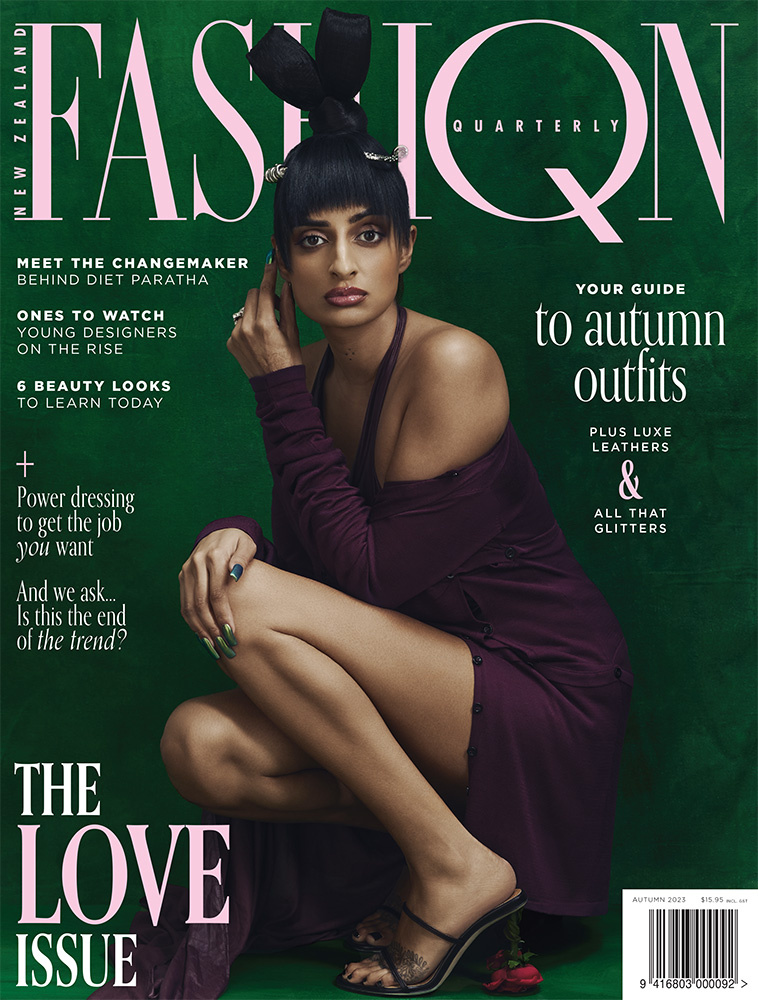
Sometimes what’s passed down is an eye, a way of dressing, an instinct. Or, for Natua Kaa-Morgan, FQ’s cover star, an educator at Te Wānanga o Aotearoa and must-follow Instagrammer (@na_teatua), a creative resourcefulness. As a tamaiti, her wardrobe was largely second hand. “I was so embarrassed about it growing up. I’d hide in the thrift store with my mum because I didn’t want anyone to know,” she recalls. But with age came understanding. “I was studying and couldn’t afford the looks I liked, then I heard someone say ‘limitation breeds innovation’, and it stuck with me.” Resolute not to let her shoestring student budget restrict her self-expression, Kaa-Morgan returned to the second hand sensibility modelled by her mother and made thrift part of her signature style. Her Instagram is a joyful collision of culture, fashion and second hand styling. The charity shop hauls? Chef’s kiss
“Pacific Island people and Māori people are so contextual, we look at what’s happening around us — in nature, art, fashion — and let it shape what we wear,” she explains. It’s an approach rooted more in identity than trends — but even the most personal style can carry someone else’s story. On the morning of her wedding, Kaa-Morgan’s grandmother gifted her a pair of black Cook Island pearl earrings from her own collection. “It was the first thing I’ve ever been passed on, and was just so unexpected,” she says. “Now I hope I can continue that tradition with my daughter on her wedding day too.”
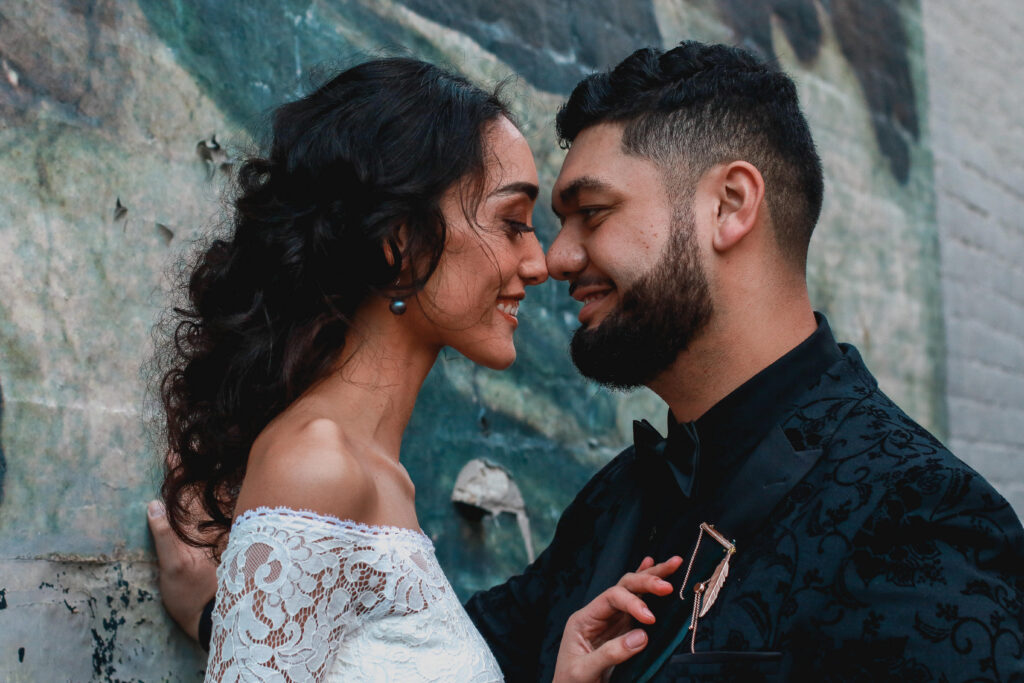
And that, really, is the heart of heirloom fashion. We’re temporary guardians, layering meaning and memory into a piece before it moves on. And nowhere is that felt more acutely than with a wedding dress. It’s the crown jewel of inherited fashion and an emotional minefield.
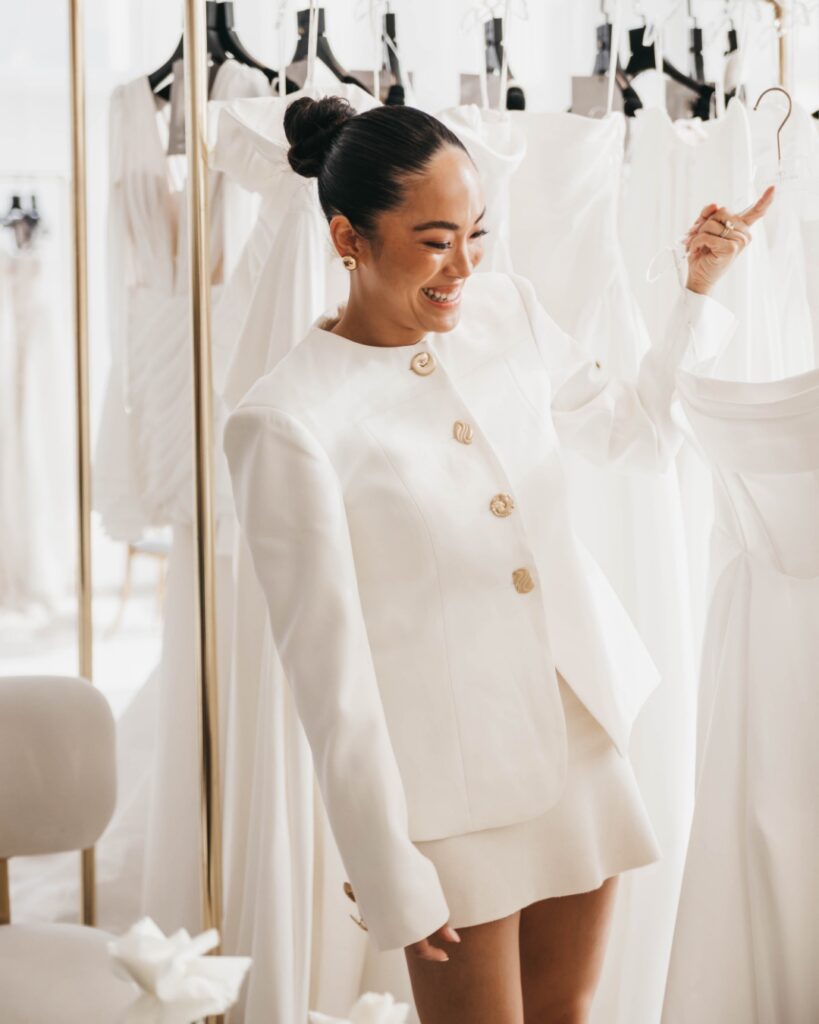
“When someone brings in a family gown, it’s never just about the dress,” says bridalwear designer Trish Peng. “There’s something really powerful about wearing a piece that already holds memories, whether it’s their mum’s or something passed down further. It feels personal in a way a new dress can’t always replicate.” Peng is seeing more brides lean into this sentimentality. “What’s really interesting is how these pieces evolve. It becomes less about preservation, and more about carrying it forward in a way that feels relevant now,” says the designer. No longer an as is, where is approach, dresses are reworked, shortened, used as a second look, or reception dress.
“Sometimes the change is quite subtle — modernising the silhouette or adjusting the fit. Other times it’s more of a transformation, where we’ll use parts of the original gown, like lace or detailing, and incorporate it into a completely new design.”
Another savvy seamstress I came across (@lovellfaye) even repurposed a vintage wedding dress into eight accessories: a gettingready robe, pocket square, handkerchief, clutch, headband, hair bow, scrunchie, and a veil. Plenty to have and to hold. Of course, weddings are emotionally charged enough without someone taking scissors to mum’s dress. The bride has a vision, the original owner has an opinion, and Peng recognises the key to placating all is identifying what made the dress meaningful in the first place.
“It might be the lace, the structure, or just the story behind it. Even if the final piece looks quite different, there are still elements that carry that original sentiment through.” The crowd-pleasing formula respects history without being held hostage by it. It also naturally ticks off three of the bride’s big four: something old, new and borrowed — they just need to suss the blue. But what of our own heirlooms? How do we decide what’s worth passing on? At a time when high-quality, design-led clothing is losing ground to fast fashion, we need to be deliberate, reaching for enduring materials and quality craftsmanship, or pieces with stories worth hanging onto.Looks don’t really come into it because a true heirloom outlasts trends entirely. And if it doesn’t? That’s fine. Let the next generation figure it out.
This article originally featured in the Winter ’26 issue of Fashion Quarterly.
Words: Harriet Cowie.
Imagery: Supplied.