The scoop on peptides: Why this skincare ingredient has earned cult status
25 May 2026
By Fashion Quarterly
From barrier support to firmer-looking skin, here’s what peptides actually do — and how to shop the category intentionally.
Peptides are having a major beauty moment. They’re in serums, eye creams, and moisturisers. In collagen powders, capsules, and beauty-from-within blends. And they’re being positioned as the future-facing answer to concerns such as firmness, fine lines, and skin repair, often with the kind of language that suggests they’re smarter, gentler, and somehow more evolved than the 124 actives that came before.
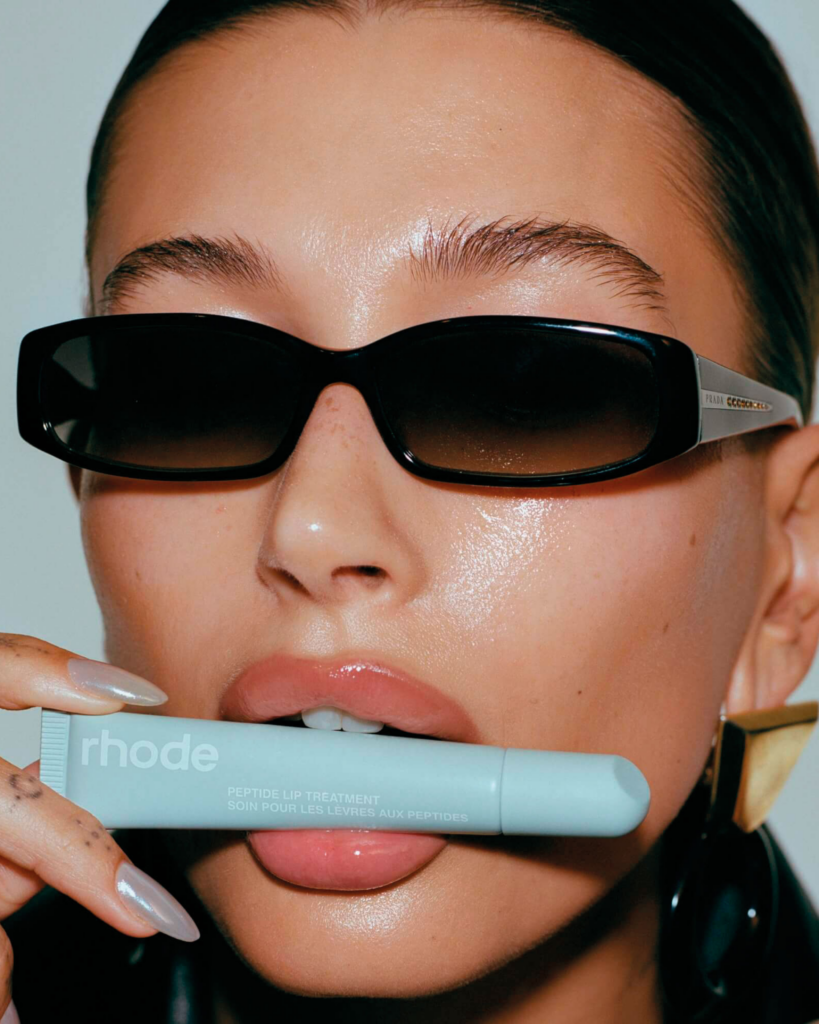
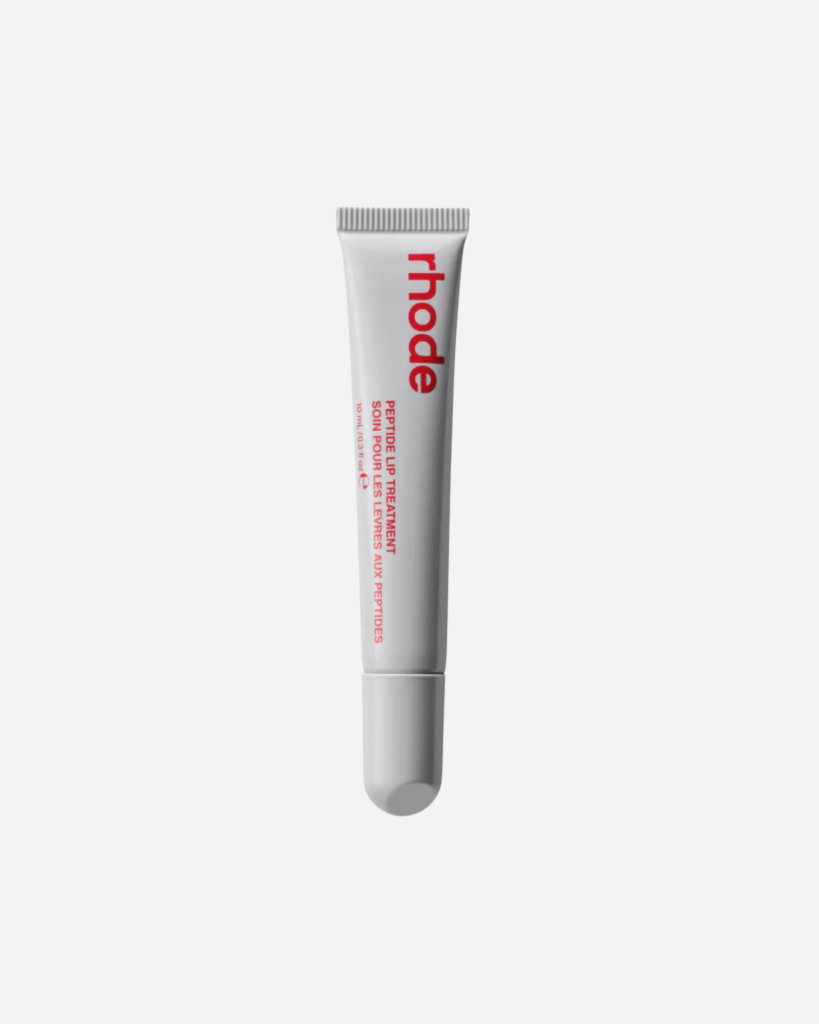
The challenge for anyone trying to buy wisely is that the term peptides has become a catch-all to describe a wide range of ingredients, functions, and product types. Although everyone on #beautytok might be obsessed with Hailey Bieber’s Rhode Peptide Lip Tint, is it the peptides that make it good, or something else? Let’s get clear on what peptides actually are and what they can realistically do before we buy our $39 lip gloss.
Peptides, in short
In simple terms, peptides are short chains of amino acids, which are the building blocks of proteins. In skincare, they’re often described as messengers because they can help signal skin cells to carry out certain functions such as supporting repair processes, helping maintain collagen, or calming inflammation. Dr Ellen Selkon, cosmetic physician and partner at Clinic 42 explains that if proteins are like a full sentence, peptides are “a few joined words,” making them essential to the communication process. But the key point is, it doesn’t mean every peptide does the same thing, or that every product containing peptides is automatically effective.
Why are peptides so trendy?
We’re in an era of results-driven skincare, but also one that is increasingly wary of overdoing it. The appetite is there for performance, but so is the desire for skin barrier support and a long-term approach. Not to mention the fact that a 12-step routine is financially unattainable for a lot of people right now. In that sense, peptides have arrived at exactly the right time. They offer a more nuanced story than the idea that the stronger the product is, the more effective it will be, and they sit comfortably alongside the wider shift towards skin health, resilience, and longevity. What’s more, they tap into the idea of a holistic approach to beauty, being available in both topical and ingestible formats.
La Mer, The Treatment Lotion, $215.
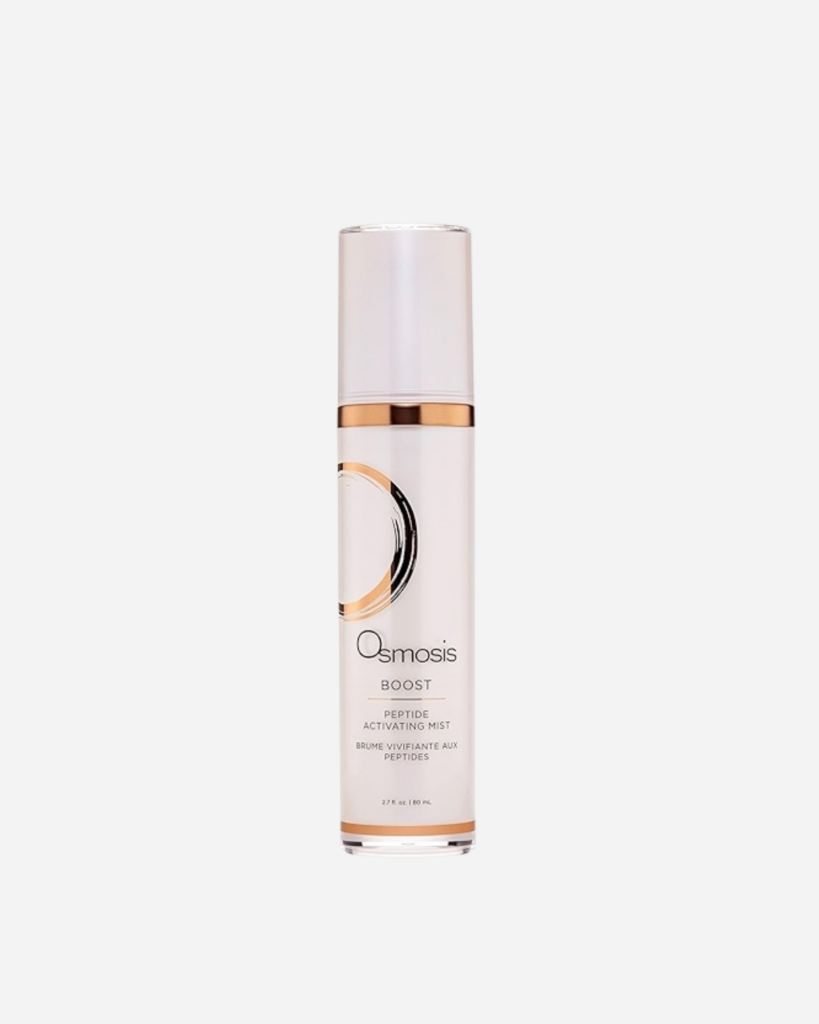
Osmosis Boost Peptide Activating Mist, $71.
Elizabeth Arden Hyaluronic Acid + Peptides Ceramide Capsules HydraPlumping Serum, $180 for 60 capsules.
Peptides applied topically
If the goal is to support skin quality over time in terms of firmness, fine lines, hydration, and barrier support, peptides can absolutely earn their place in a routine. “What they can’t do is override the biology of ageing altogether,” explains Emma Lewisham, who studied biochemistry and physiology at Harvard University. “Skin is a living organ governed by complex pathways and no single ingredient can shortcut that.” Peptides are supportive ingredients that may help skin function more optimally when used consistently and in a well-formatted product, and as far as Dr Selkon is concerned, formulation is everything. “Peptides are extremely fragile and can be broken down easily, therefore they need to be stabilised,” she says. “They also need a specific delivery system to take them to their target in order for them to work.” Lewisham makes a similar point, emphasising that the real question isn’t whether a formula contains peptides, but “which peptide, in what delivery system, and in combination with what supporting ingredients.” In other words, a peptide is only as good as the formula built around it. This is also why more isn’t always better. A longer ingredient list or louder peptide claim doesn’t automatically translate to better results. A well-built, focused formula will usually outperform one trying to tick every trend box at once.
Peptides in ingestibles
On the ingestible side, peptides most commonly appear as collagen peptides (also called hydrolysed collagen), which have been broken down into smaller fragments and sold as powders, capsules, sachets, or drinks. Unfortunately, these peptides don’t simply travel to your face and fill in wrinkles, instead they are digested and absorbed by the body according to complex biological processes, rather than taking a direct route from spoon to skin. Dr Selkon says the evidence for oral peptide supplements is moderate. Much of the research, she notes, is based on in vitro studies or small human trials, often sponsored by manufacturers. Even so, many of those studies do show a small to moderate improvement in skin quality, lines, and thickness. They also tend to work best when expectations are aligned with reality. If you’re hoping a collagen powder will undo years of sun exposure, you’ll be disappointed. If you’re looking at it as one part of a broader, long-game approach to skin support, you’ll likely be more satisfied with the outcomes.
Metamorphosis Peptide Amino Acid Serum, $255.
Medik8 Niacinamide Peptides, $120.
Dose & Co Pure Collagen Peptides, $42.99.
Topical vs ingestible: do you need both?
Combining a topical peptide product with an ingestible collagen peptide supplement can make sense, particularly if the goal is overall skin support. Dr Selkon says using both “does seem to make sense at this stage,” while stressing that more evidence is needed and that peptide science, although promising, is not yet especially robust in real-world human trials. If you’re choosing where to start, topical peptides may be the more straightforward entry point for people already invested in skincare. If you’re considering ingestibles, consistency and transparency are key. In both cases, peptides should sit alongside, but not replace, the fundamentals of sunscreen, a well-formulated routine, and in many cases retinoids. As Dr Selkon puts it, peptides are not miracle ingredients, but they can meaningfully support collagen maintenance.
How to shop for peptides
The best way to buy peptide products is to stop treating “contains peptides” as a shortcut for efficacy. For topical skincare, look for products that explain what the peptide is intended to do (firming, barrier support, soothing, repair) and that feel well-considered in the context of the full formula. Packaging, stability, and supporting ingredients matter and so does your own skin goal. For ingestible products, look for transparent dosing, clear ingredient naming, and realistic claims. If the language sounds too transformational, it probably is. Used well, peptides can be a smart, supportive part of your daily routine, one that leans into overall skin health as much as visible results.