

Every season, every fashion week, every new collection brings with it the inevitable question: what are the trends? And in 2026, that question arrives faster than ever. Social media algorithms have collapsed the traditional fashion calendar – it’s no longer seasonal, barely even weekly. Micro-trends multiply overnight, each one neatly suffixed with core and consumed before the next one arrives to take its place. Remember Mob wife, Balletcore, Librarian core et al?
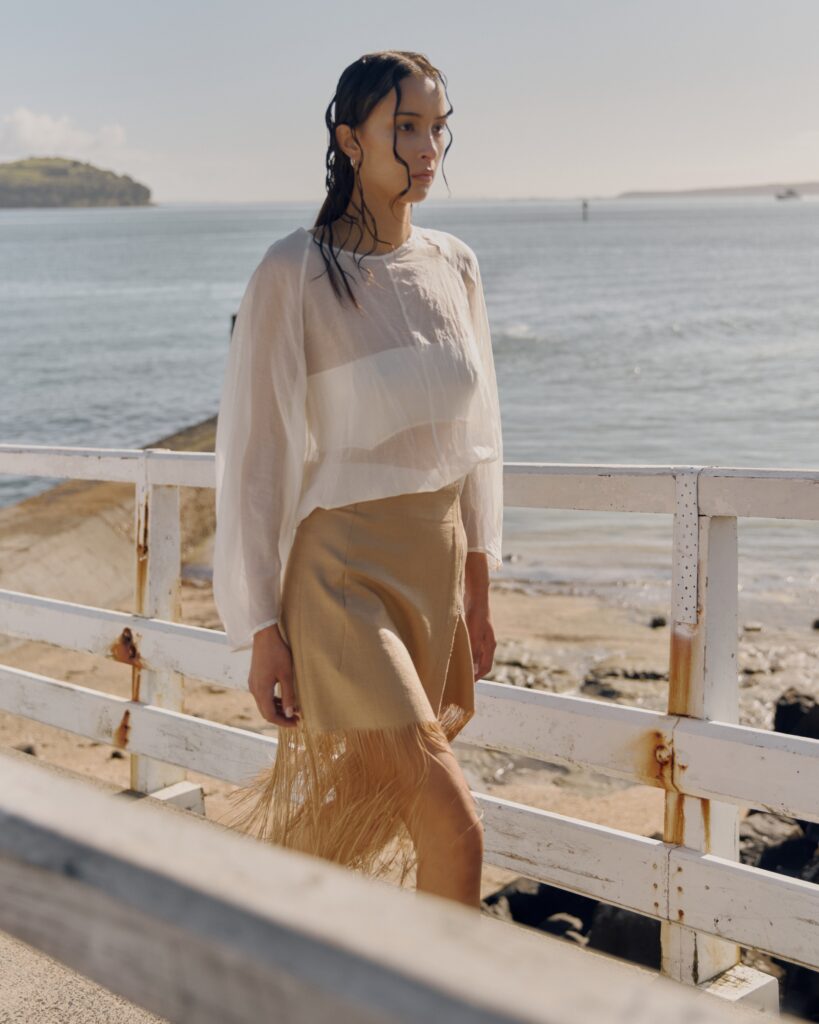
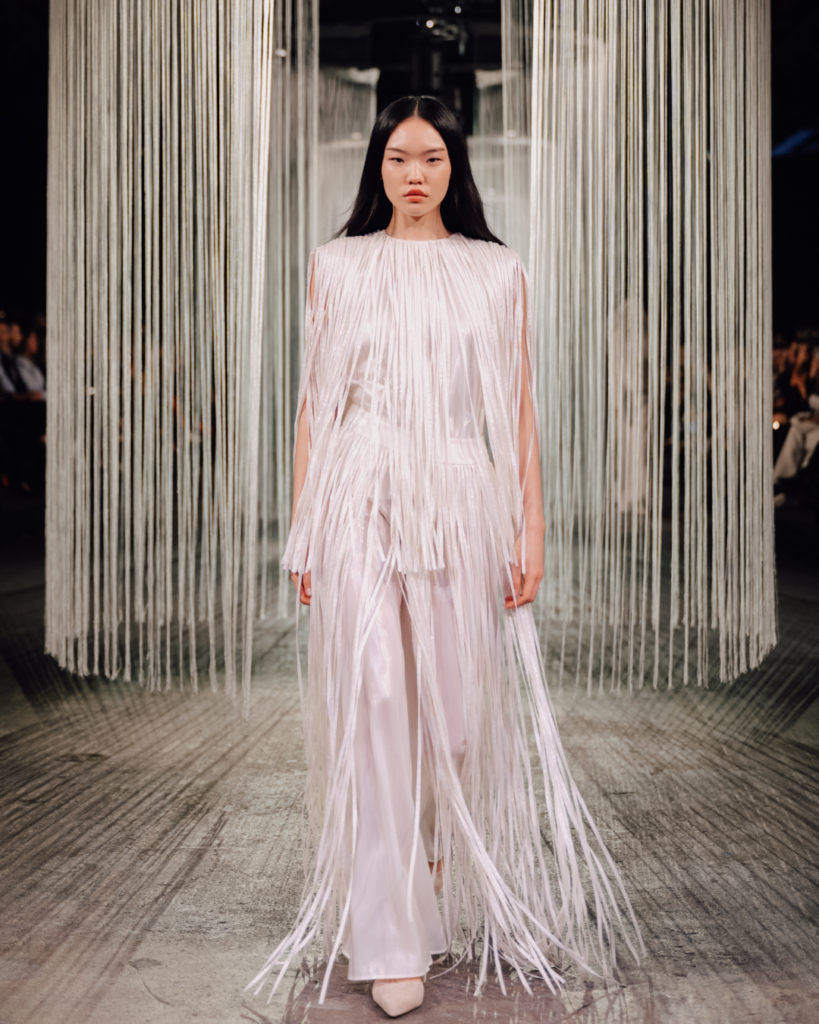
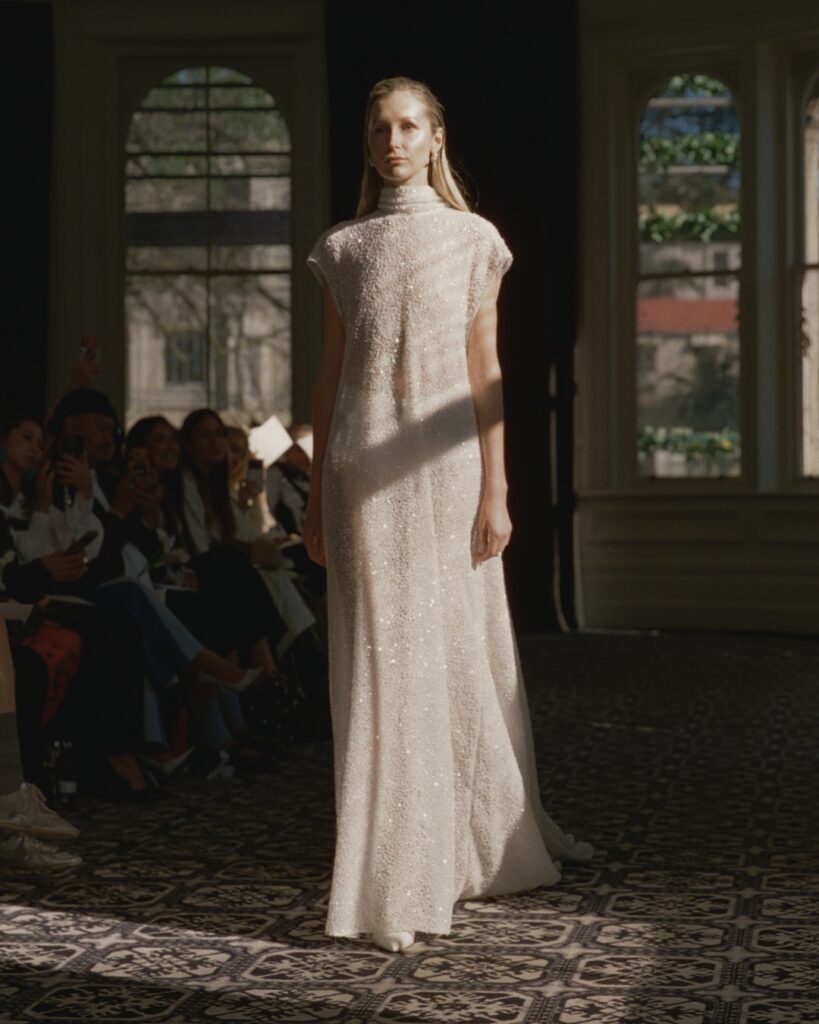
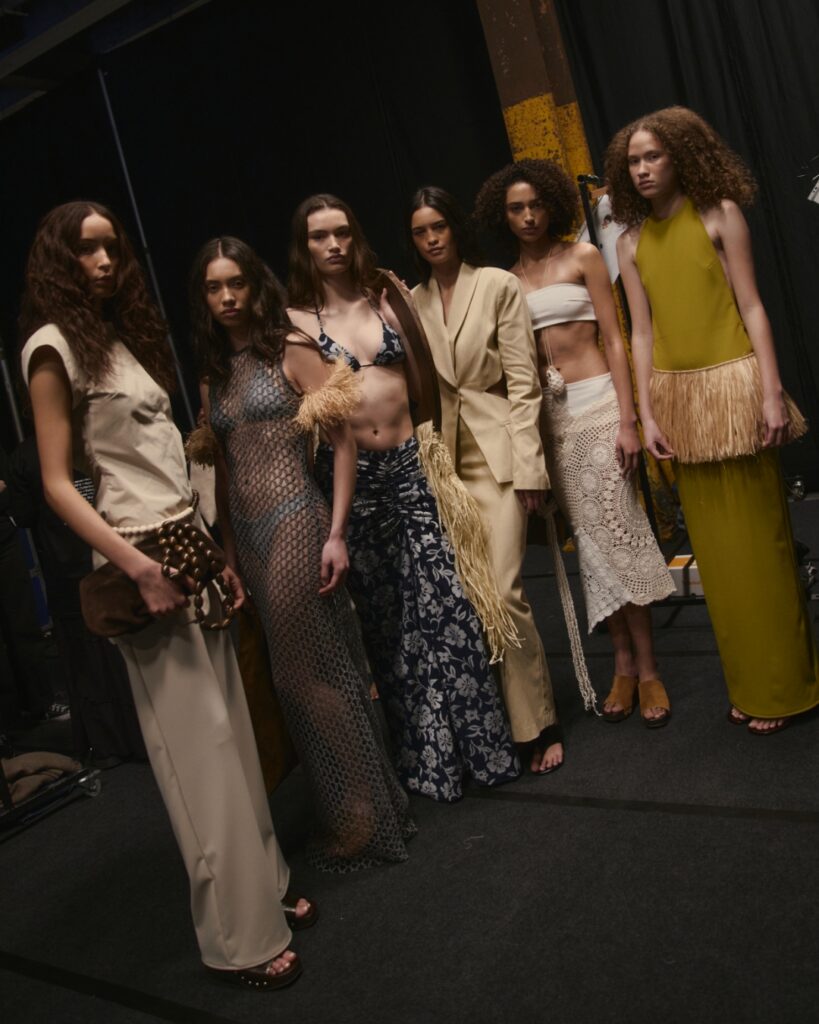
And look – I don’t hate on a trend. There’s something joyful about a collective moment that connects people across different wardrobes and different lives. But more often than not, what gets called a trend is really just a fleeting moment. This week at NZFW, there were trends. Of course there were. We saw fringing and tassels everywhere – at Juliette Hogan fringing was mirroring the garments with a prop of fringed circles literally hanging from the ceilings, and at ITI in the Kāhui Collective show we saw it flowing down from beautifully weaved shirts. Pops of colour – chartreuse, turquoise, red – were everywhere (even at Zambesi, known for its signature black). And bridal, of all things, kept surfacing again and again in unexpected places. Juliette Hogan closed her show with a bridal gown and veil – not unusual given she does bridal – but By Kai offered exquisitely draped and cut white gowns, and Claudia Li’s entire collection felt like something a bride could wear, not just on the day but in the joyful celebrations that follow.
So yes, there were trends. But I actually think the biggest trend of NZFW 2026 was no trend at all. Hear me out…
Attending show after show this week, what struck me most wasn’t what the designers had in common – it was how deeply, confidently individual each collection felt. New Zealand designers aren’t looking abroad for direction. They’re looking inward. They’re honing into their own brand DNA and showcasing what they do best, with a clarity and conviction that felt exciting and – when you stop to think about why – really significant.
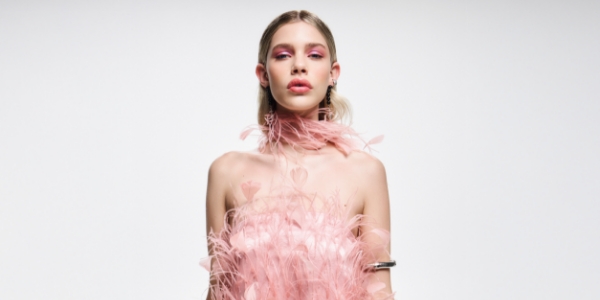
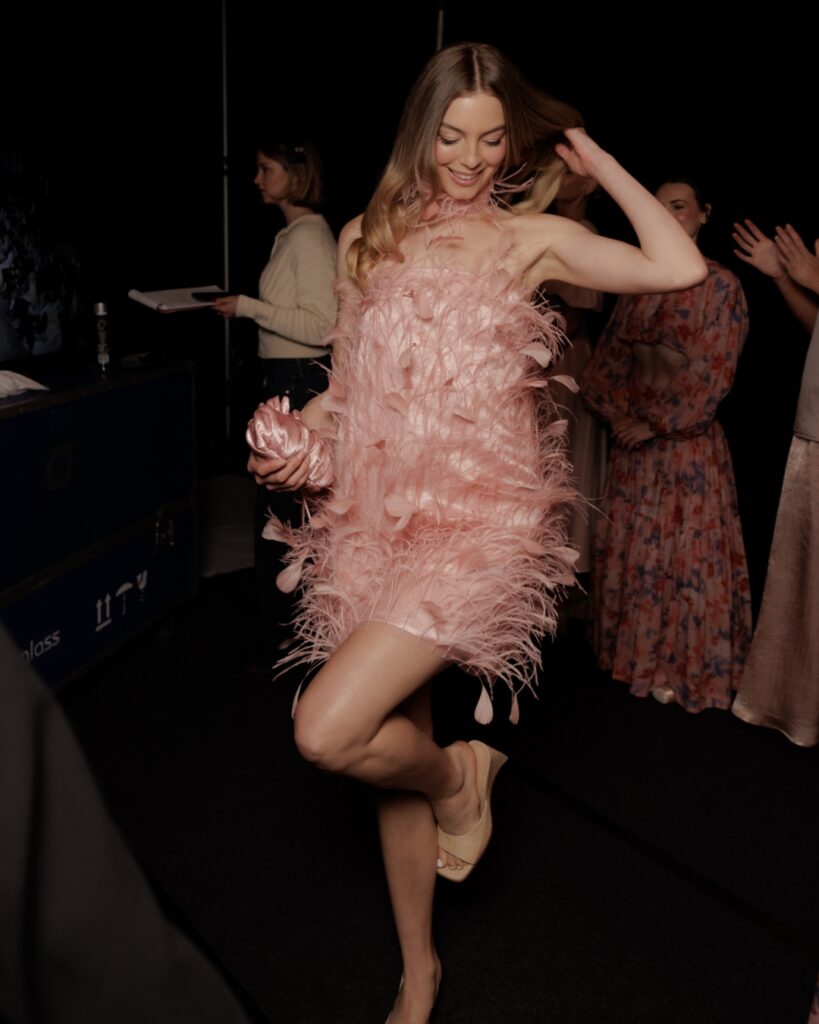
At Claudia Li, her signature bows were everywhere – playful, precise, completely her. At Harris Tapper, showing in The Studio, it was those exquisite exaggerated silhouettes and extraordinary tailoring that have made them one of the most talked-about labels in the country. And Caitlin Crisp’s show was full of signature florals, pinks and polo-esque dressing that she’s known for – again, unmistakably Caitlin Crisp.
So why is this happening?
It seems at this particular moment in New Zealand fashion, designers are doubling down on their own identity rather than chasing what’s next. And the answer is more complex than it might appear. The economy plays an undeniable role. New Zealand’s retail landscape has been brutal. We’ve seen beloved brands press pause this year – Rachel Mills, Sylvester and Wynn Hamlyn – and those losses have been felt across the industry. When budgets are tight and margins are thin, experimentation becomes a luxury. So you make what you know sells. You make what your customer comes back for.
But to reduce this to economics alone would be to miss something more intentional. New Zealand designers know their customers – like, really know them – in a way that global fashion houses simply can’t. Our market is small and intimate. The woman who buys Claudia Li has a relationship with the brand (and likely Claudia herself) that goes beyond a transaction. She’s not buying into a trend. She’s buying into a world. And designers who understand that have stopped trying to compete on trend and started competing on depth instead. That’s a fundamentally different business model – and arguably a more sustainable one.
There is also, it must be said, a growing cultural backlash to micro-trend culture itself. Something-core fatigue is real. Consumers who spent years chasing the algorithm are increasingly exhausted by it – and are gravitating toward brands that offer something more enduring than a two-week aesthetic moment. The designers who have opted out of the trend cycle are finding that their customers are following them there, relieved and loyal in equal measure.
What’s interesting analytically is that all three forces – economic constraint, deep customer knowledge and consumer fatigue with trend culture – are pointing in exactly the same direction. Toward identity. And that might be the most important shift in New Zealand fashion right now. A collective decision – whether conscious or not – to trust their instincts.
In an industry that has spent years asking what’s next, New Zealand designers are asking a different question entirely. What are we best at? And then going and doing exactly that.