

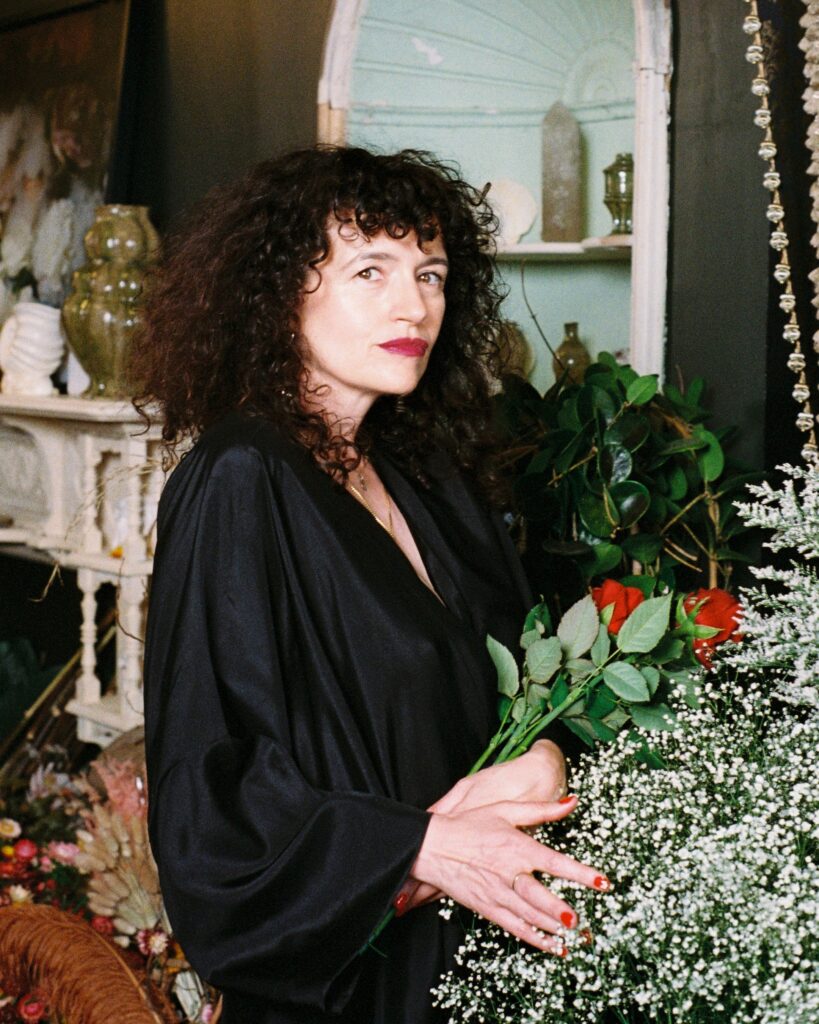
In conversation with Noelle McCarthy
You first read Dracula as a teenager, and have since returned to it again and again throughout your life. What do you think it was about Bram Stoker’s work that resonated so deeply?
It got me at the right age! Reading Dracula when I was a young teenager opened me up to the world of the book, to the powerful fantasy of the vampire in a way that has stayed with me my whole life. The other part of Dracula, of course, is the vampire. Seductive and glamorous and potent, as monsters go. A monster with an edge of seduction and sexiness. The idea of a vampire coming in my window at night to change me remains one of the most powerful fantasies I’ve ever had. It was exciting and it lit me up.
Stakes moves so fluidly between humor and some incredibly raw subject matter. How do you approach writing about painful experiences without losing that sense of levity or humanity?
I love that question because you have to have the dark and light in the Gothic! In the world of the Gothic, you’ve got the crumbling castles and the graveyards and the monsters and the wolves and the bats and all of that stuff. But the other part of the Gothic that’s very important is the light. You need to see the bright moon in the sky. The sun needs to come up the next day and turn the vampire to dust. It was very important to me to include the light. The things I remember sometimes about hard times in life, whether it was getting sober or early sexual experiences that weren’t great, I remember the people who were with me at those times, how they buoyed me up and made me laugh.
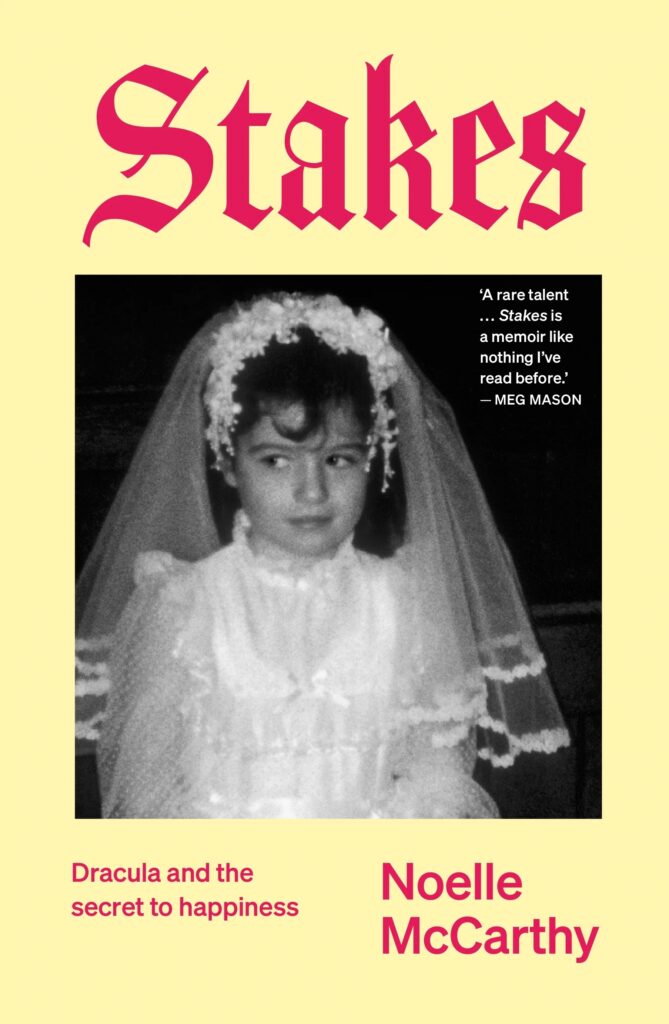
Alongside your own story, Stakes also touches on the broader horrors inflicted on Irish women through religion, shame and silence. How important was it for you to situate your personal experiences within that larger cultural history?
It was really important. With Grand, I was looking at my life, and my mothers life in the context of that wider experience. This book contains more layers of that, what I’m trying to get at, again, is the way wider forces have such a profound impact on women’s lives. This was especially the case in Ireland, where church and state collusion, and specific ideas about sexuality and bodily control, had a lethal effect on people’s lives, especially unmarried women who got pregnant. Out of wedlock is the phrase, as though the confines of marriage were the only place where it was acceptable to have a baby.
We’re still reckoning with the extent of the brutality inflicted on those women. It was very important for me not to write as an expert, but just to write as someone grappling with this legacy, experiencing this reckoning as I was coming to have my own child, and also trying to be in a relationship with a man I loved, having a child with him in that first wave of #Metoo. So much of this story is about me trying to find the right words for my feelings and trying to understand who I was angry with. And that’s why Dracula and the Gothic were so useful as a way of understanding these things – monsters have always been repositories of anxieties.
You write so evocatively about people, places and experiences throughout Stakes. What’s your process for translating those real-life memories and experiences onto the page? Particularly those that you may not have been present for (e.g. your mother’s youth)?
It was hard to get close to some of my mother’s experiences, especially those ones that happened before I was born. What was hard too, was the experience of a kind of self-imposed taboo around talking, or even thinking about these events, that I had to get through. It was hard at the beginning because I had a very powerful impulse not to go near them. It felt like kryptonite, this part of my mother’s life, and when I eventually did start thinking about it and asking about it, I used her work, and the asylum where she worked as a kind of a jumping off point for that. And then, when Grand came out in Ireland, one of the things that happened was some people who had worked with her reached out. And that was such a gift.
After spending so many years thinking and writing about Dracula, do you think you’ve scratched the gothic itch for now, or do you think you’ll keep returning to it?
I think it would be hard to ever let it go – not only do I love the story, but the book is such a comfort and delight for me still, and so rich. It’s full of ideas and images that fire my imagination and get my brain racing.