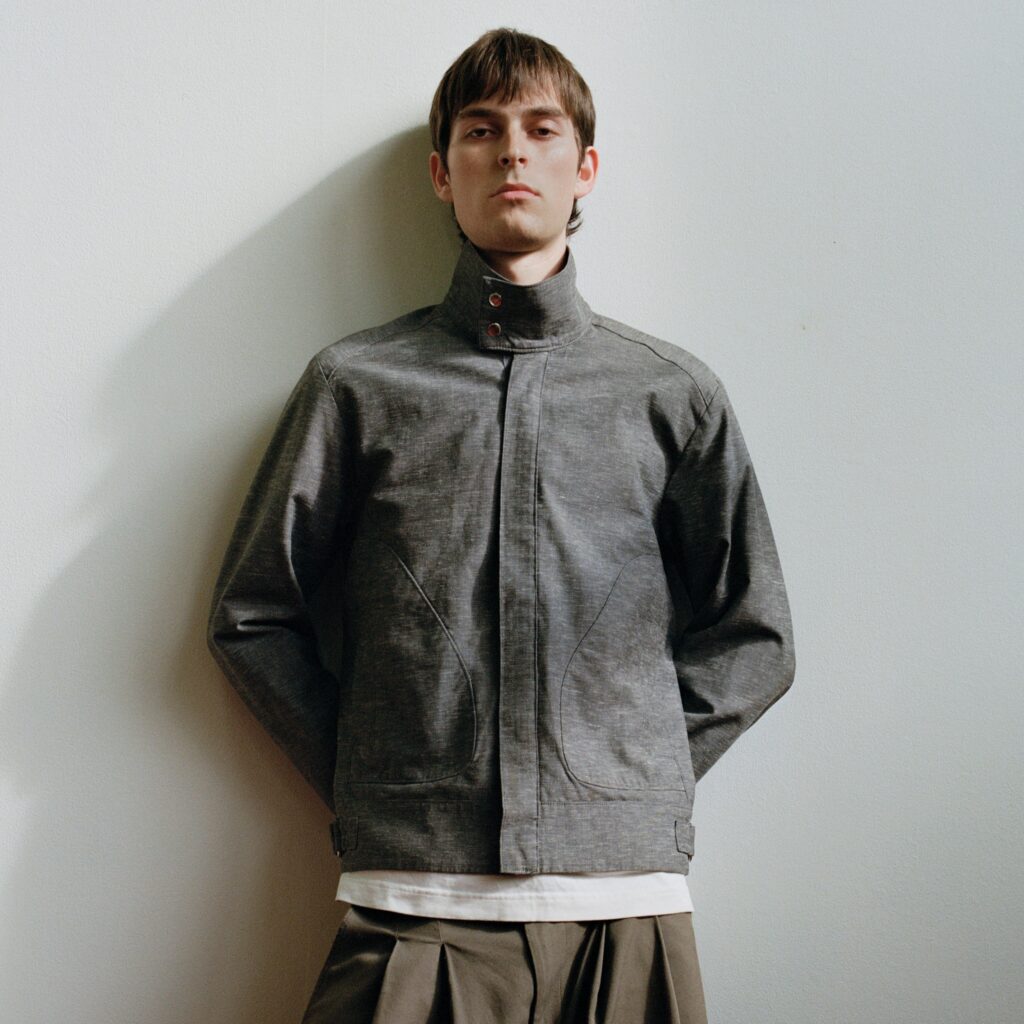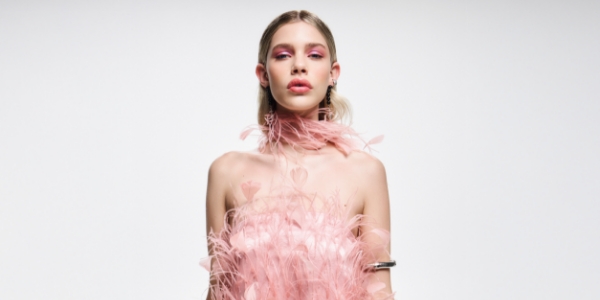


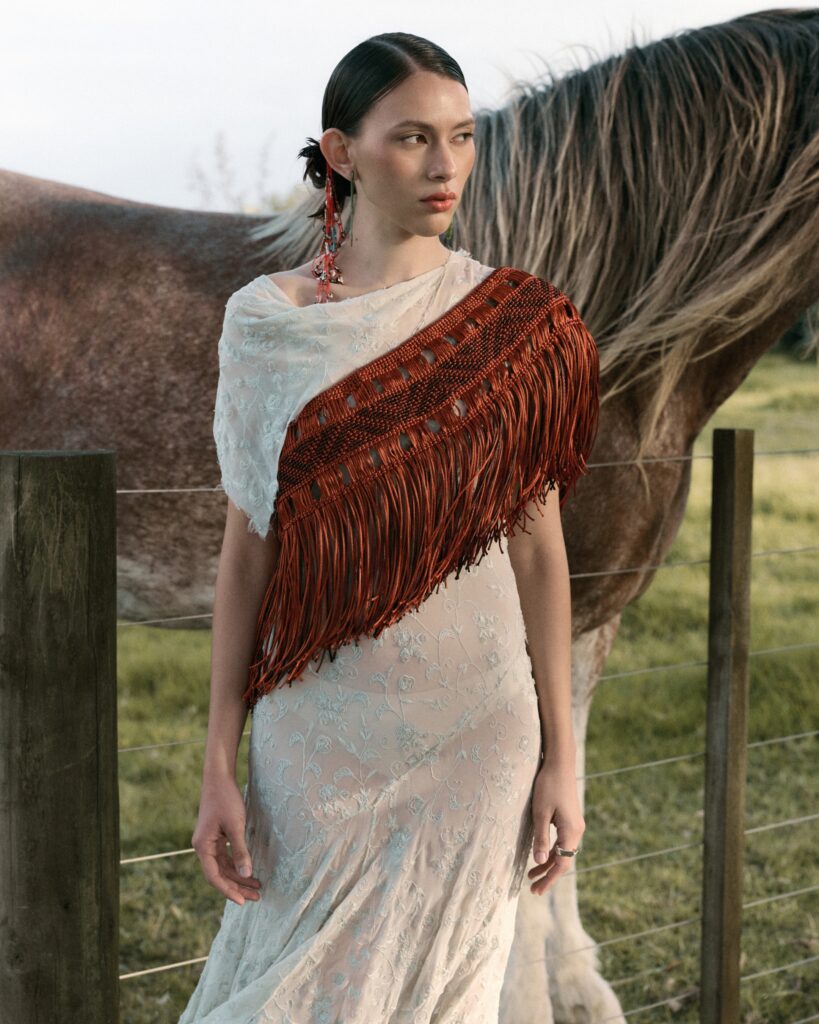
Grounded in mātauranga Māori and a reverence for handmade craft, Nicholls creates custom-made crochet and raranga pieces that feel sculptural, intricate, and intentionally slow. For FQ’s Winter 2026 issue, she collaborated with contributor Katie Begbie on Te Ao Raranga: A Woven World — a fashion story exploring the layered cultural histories and craft traditions shaping contemporary fashion in Aotearoa. Below, we speak to the designer and stylist on her work and vision.
In conversation with Charli Nicholls
How would you describe your brand, Charli Nikora, in a few sentences?
Charli Nikora is built on embracing mātauranga Māori through fashion, creating considered pieces for today’s tangata whenua. A very small-scale brand focused on handmade pieces, not looking to create another T-shirt, but rather elegant and artful pieces. Crochet and raranga are central to your design ethos.
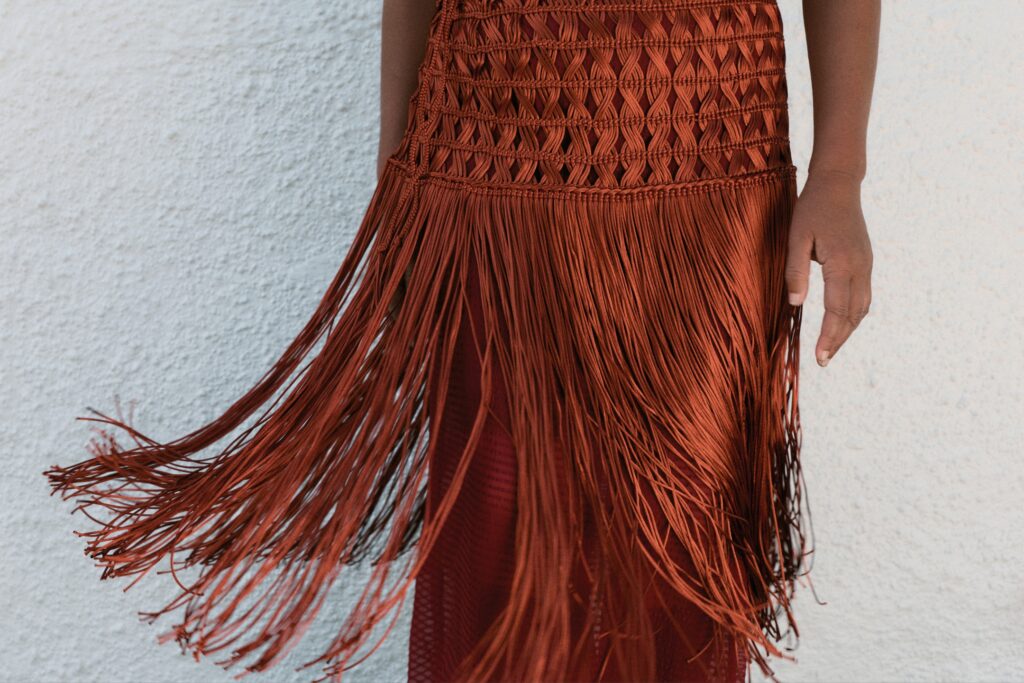
What drew you to exploring these techniques?
My grandma used to crochet little bags for me and my sister when we were young, I began teaching myself (admittedly through YouTube) around five years ago. My call for raranga had been simmering during my final years of studying fashion design. I knew that for my honours thesis I wanted to embrace my Māori heritage. For me, raranga is a continuous exploration as it is tied so closely to my identity.
Can you talk us through your design process?
It changes quite a bit, but usually it stems from random things such as colour, proportions, texture, or shapes in nature, art, history etc. I also like to see how someone has styled their own outfit, or seeing clothing from designers I look up to such as Schiaparelli, Vivienne Westwood, and Issey Miyake. Sometimes it’s just something that is missing from my own wardrobe!
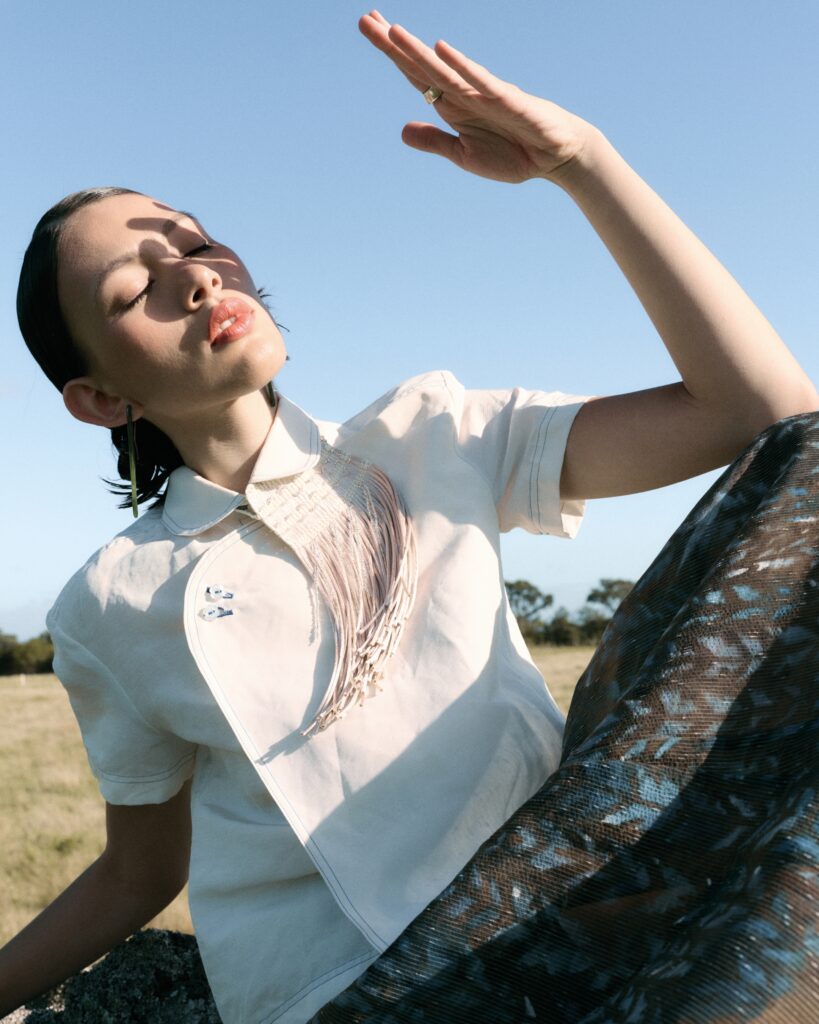
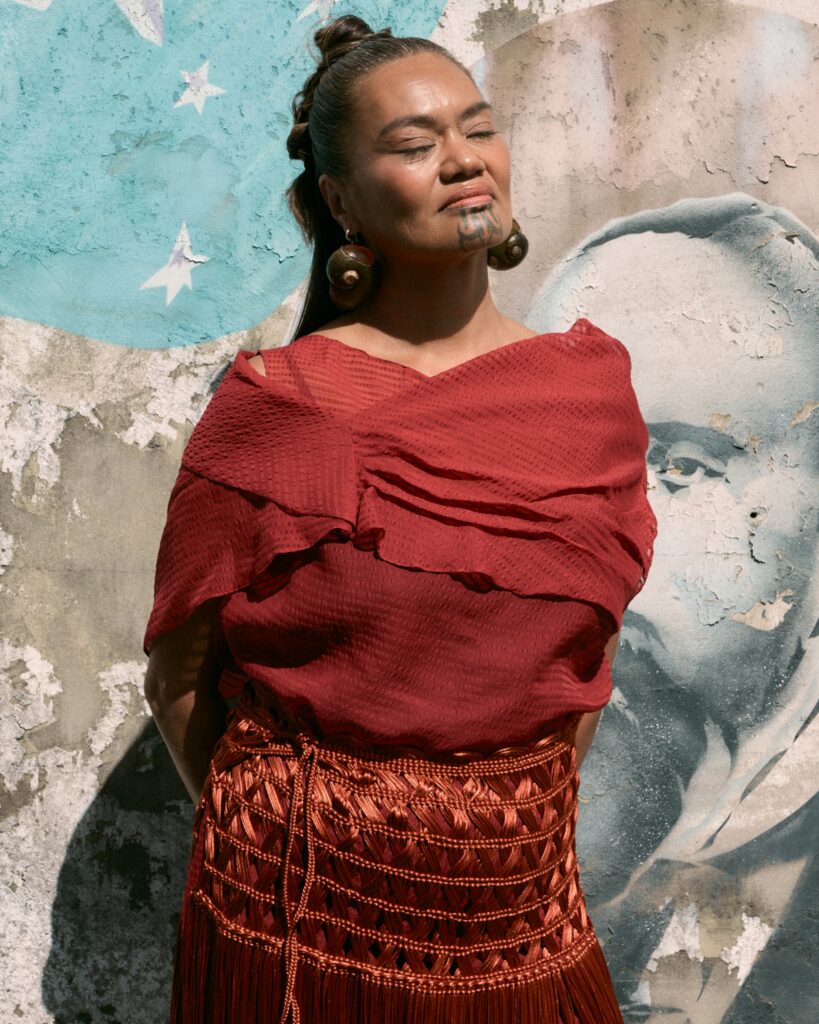
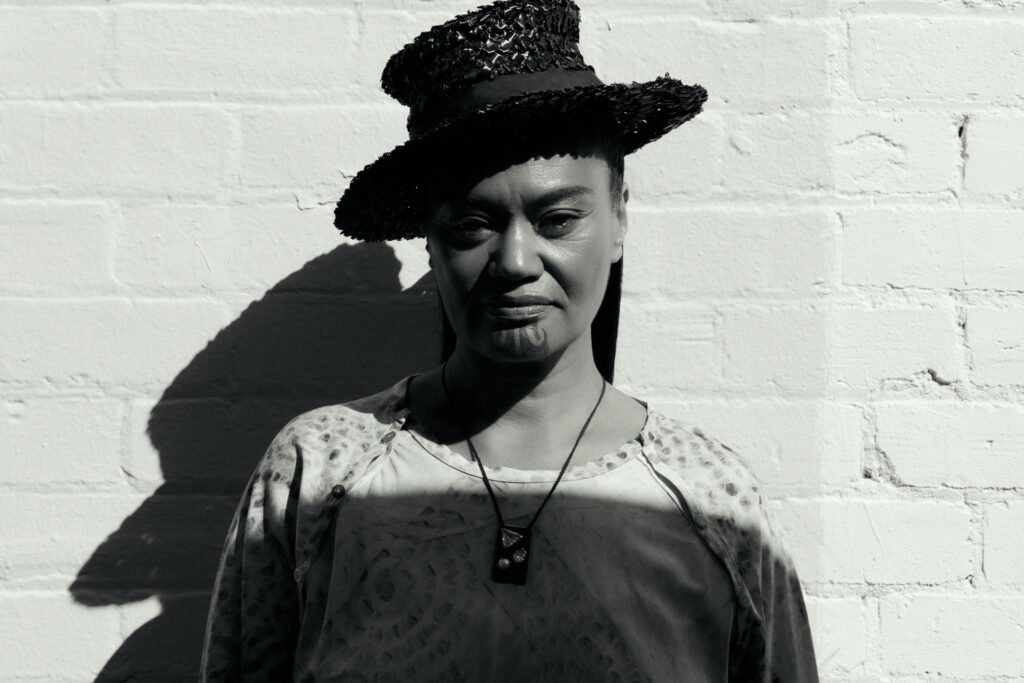
You work across both styling and design. How do those two creative practices inform one another?
My styling and design practices complement each other. Design allows me to understand materiality and form, while styling encapsulates the image. When I’m creating a collection or an outfit, I’m immediately thinking about how it will be photographed. Working across both disciplines also means I can bring my own making skills into styling, creating pieces that feel more personal and considered to the project.
As a stylist, how would you describe your visual language?
My styling language really bounces off my design inspirations. The power of styling is that it portrays a narrative, and I like to tell stories. I usually reference history and culture, mixed with interesting colours and proportions. As a stylist, you have the choice in who and what to portray. It’s important to me that I am including designers from a range of backgrounds.
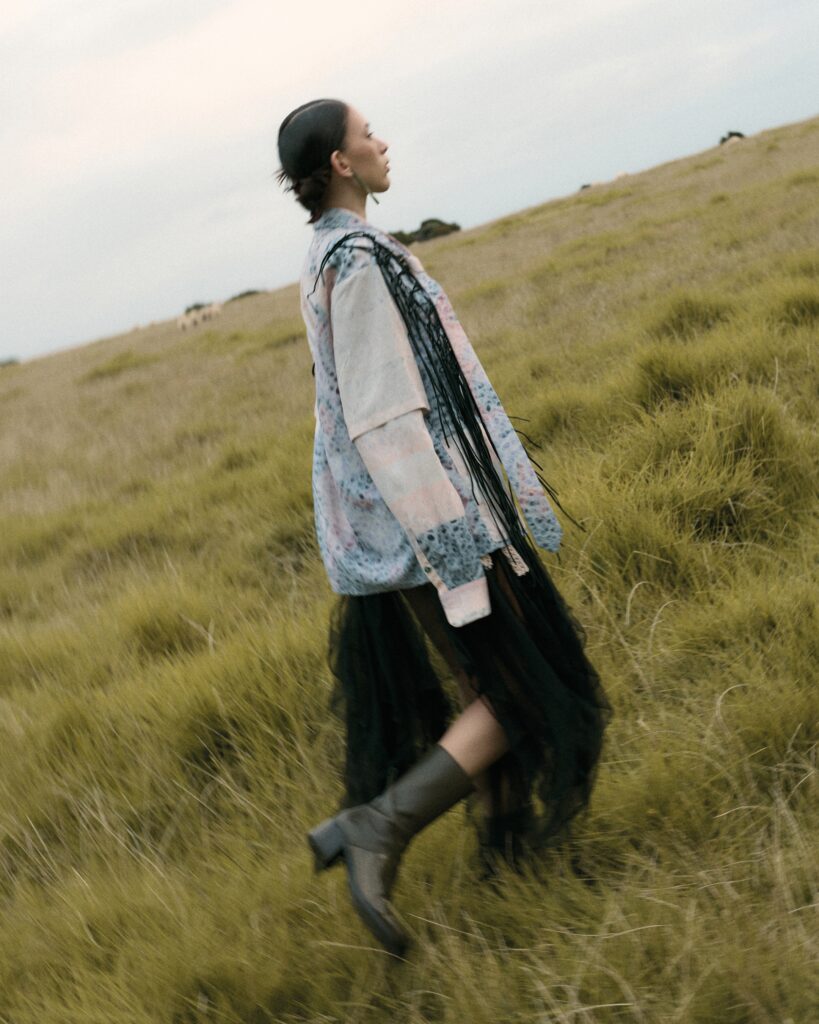
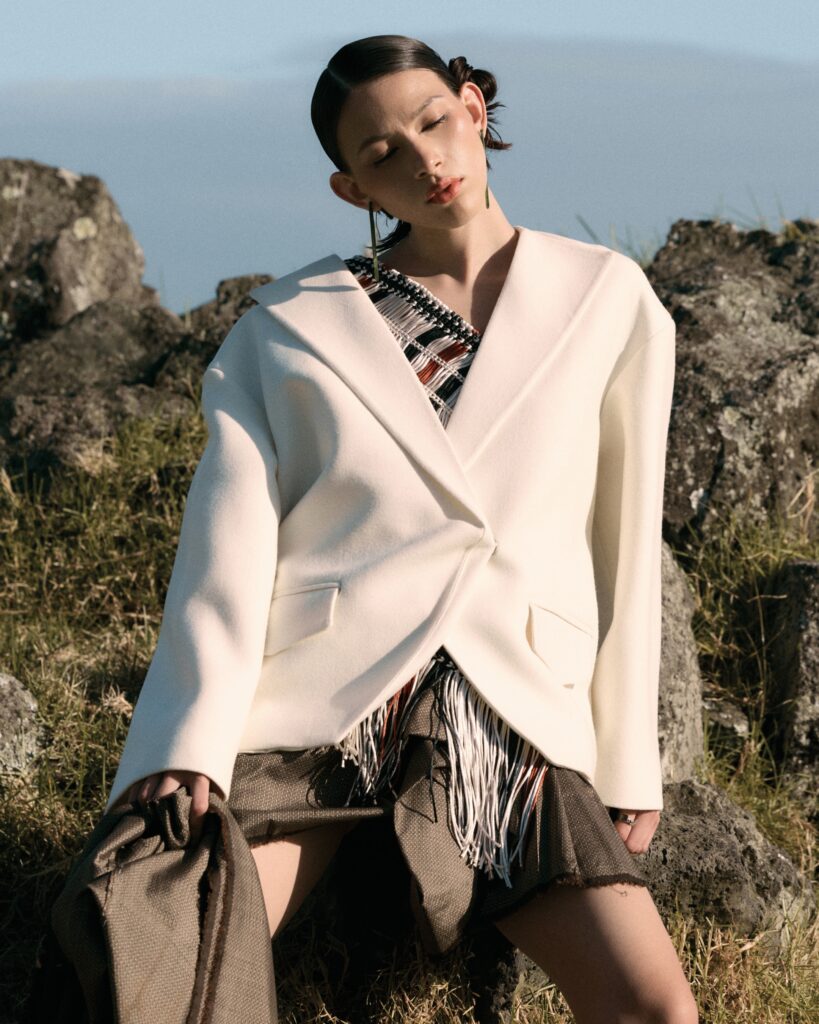
Could you talk us through the inspiration/vision for your recent shoot: Te Ao Raranga: A Woven World?
In this photo shoot, Katie and I wanted to capture the diverse cultures shaping fashion within contemporary Aotearoa, bringing together locally made garments influenced by Māori weaving, European hand-sewing traditions, Taiwanese heritage prints, and Chinese design elements. We wanted to include classic kiwiana locations such as a dairy and farm, then mix them with an elegant outfit. We found a colonial mural and photographed Arna in a way that Māoritanga dominated. I think that was pretty cool!