

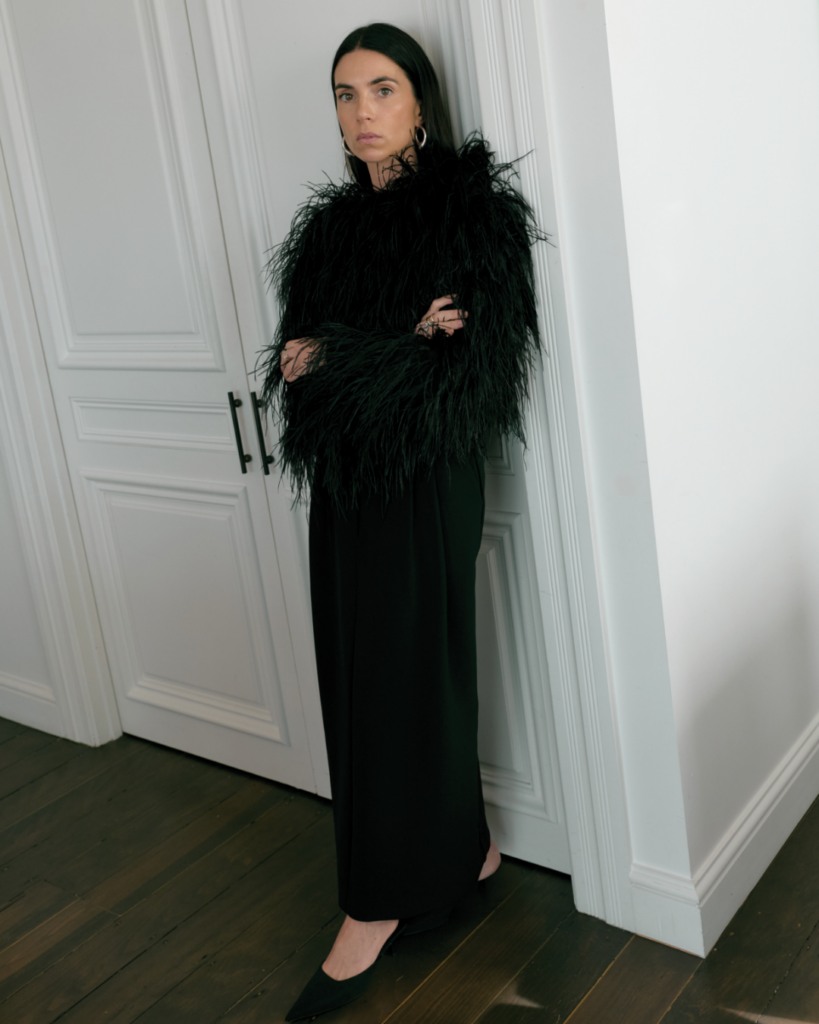
Somewhere between “girl math” tropes and headlines about the gender pension gap, women and money became one of the decade’s defining conversations. We’re told to invest earlier, save smarter, and close the gap ourselves (as though skipping the manicures, matcha lattes, and Pilates memberships would suffice), usually by an industry that spent decades not designing a single product with us in mind. Victoria Harris has spent five years watching women hit that wall in real time. Then she built a door.
As a financial educator, Harris turned The Curve platform into one of the nation’s most engaged financial communities, 100,000-plus followers, a podcast with 3 million downloads, and 12,000 actives users on Substack, all built on translating market-speak into something you could actually repeat with conviction at dinner. Co-founder Sophie Hallwright asked the questions. Harris, an ex-fund manager, supplied the answers in language that didn’t require a finance degree to follow. It worked a little too well. Eventually, an audience that had learned the theory started asking where to put their money into practice.
“Most funds spend years hunting for investors after they launch,” Harris reveals. “We did it backwards. The demand was already there, we just had to build something worthy of it.” When she put it to her community directly, 94 per cent said yes, they wanted in. So from August, The Curve turns its audience into shareholders, launching a New Zealand-based global equities fund built for investors who existed before the product did.
The mandate is deliberately narrow. Every holding has to clear three filters, meaningful female influence in leadership, continuing founder involvement, and a business tied to what Harris calls “the economy of the future,” climate technology, artificial intelligence, healthcare, financial inclusion. Less a theme, more a values test, calibrated against everything her community had spent five years telling her mattered.
The minimum investment is $500, one of the lowest in the industry, against the $20,000 or $100,000 entry points that gatekeep most comparable funds. “Women get paid less, and there’s a well-documented gender pension gap,” Harris says. “We wanted to make sure this fund was accessible to people who might not have previously gotten a look in from traditional funds.”
She has a theory on why other funds don’t follow suit. “Many companies and funds set high minimums deliberately, to create a sense of exclusivity. For us, it’s the opposite. Investing isn’t for the rich, it’s how you get rich.”
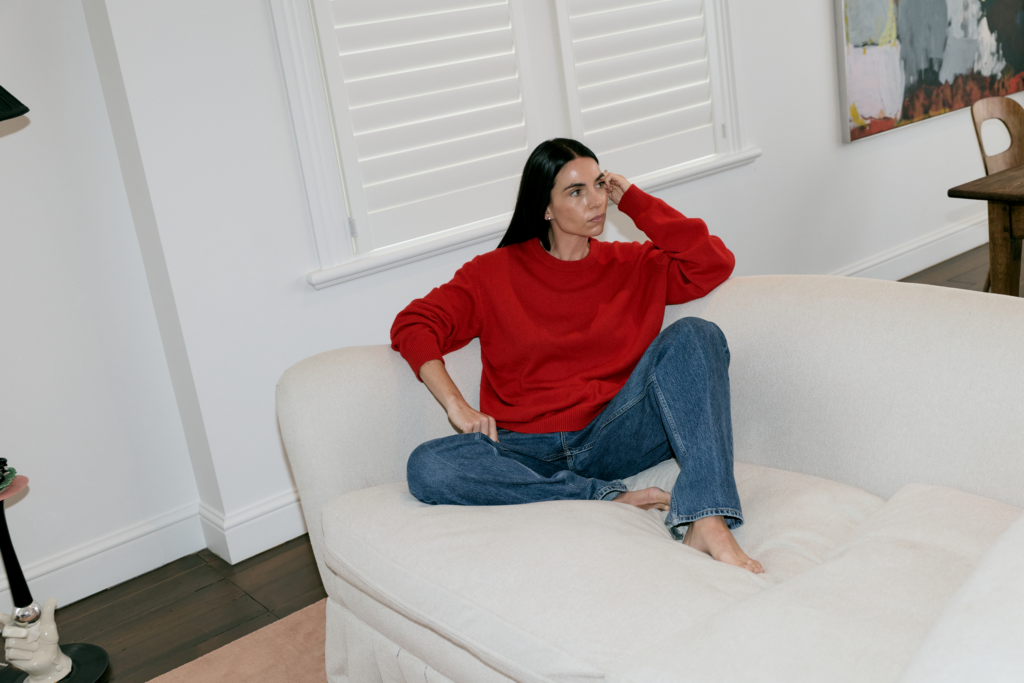
Keeping that promise affordable is largely down to a proprietary AI platform Harris has built in-house, one that scans roughly 35,000 news publications a week, flags companies against the fund’s criteria, and narrows the field to a shortlist worth a closer look. “It gives us the research capacity of a much larger team of analysts,” she says. It does not, however, get the final say, the platform surfaces and monitors, but Harris decides. “Every decision is human,” she adds. “Keeping our cost to serve low, largely through technology, is what allows us to keep our minimum investment amount low too.”
Having spent more than a decade managing portfolios at Milford Asset Management, Devon Funds Management, and Pie Funds before starting The Curve, Harris is leveraging her pedigree to provide women with a head start. It’s also what makes the pitch land, this isn’t a content creator dabbling in finance, it’s a fund manager who happens to have built an audience first.
“For me personally, a big green flag is when the manager of a fund has their own money invested in it too,” she says. “That means when the fund does well, they do well, and when it doesn’t, they feel that pain right alongside you. It shows the incentives are aligned, that they genuinely believe in the fund’s success.” Harris isn’t just making the case in the abstract. “I can tell you that I have all of my own savings in this fund.”
That instinct for translation doesn’t stop at launch day. Harris is candid that a fact sheet is only useful to someone who’s been taught how to read one, which is, not coincidentally, what The Curve has spent five years doing. “Education without access is incomplete,” she says. “We’ve spent five years teaching. Now we’re offering a way to put that knowledge to work.”
Behind the accessible front door, the plumbing is reassuringly conventional with Public Trust supervising, Apex Group handling custody, and PwC across the books, the same infrastructure you’d expect from a fund with a much less interesting back story. The fees are straightforward too, 1.5 per cent a year, plus a cut of anything above a 10 per cent return, with a high-water mark built in so Harris can’t get paid twice for recovering ground she’s already lost.
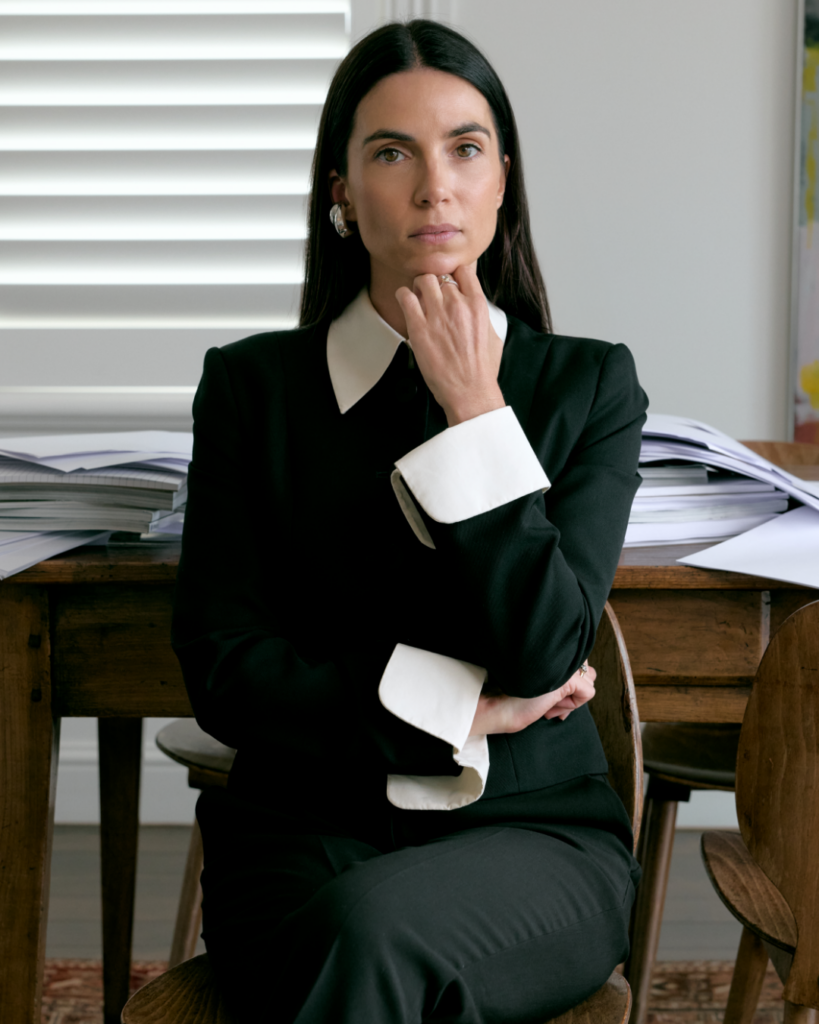
As for scale, she’s aiming for NZ$25 million at launch and hoping to double it within the year — numbers she’s careful to call ambitions rather than promises, which the Financial Markets Authority insists on anyway. The timing isn’t an accident. The 2025 EY Global Wealth Research Report says that more than US$80 trillion is projected to move into women’s hands globally over the next decade, through inheritance, earnings, and shifting household dynamics. Closer to home, KiwiSaver alone is forecast to more than triple, from $123 billion to roughly $400 billion by 2035. And yet, Harris argues, the industry still hasn’t caught up to how that money actually behaves.
“The stereotype is that women are risk-averse. The evidence says something different,” she says. “Women do more research, hold longer, and panic-sell less. Studies consistently show they outperform over time precisely because of those behaviours. The problem isn’t female caution. It’s an industry that was never designed to meet women where they are.”
It’s a neat inversion of the usual fund story, the proof gathered before the product, not after. Whether it performs the way Harris predicts is a question for years, not headlines. But as an experiment in what happens when you let an audience build the thing it’s been asking for, it’s already worth watching.
This article originally appeared in the Spring ’26 issue of Fashion Quarterly.
Words: Louise Dunn.
Photography: Katie Begbie.