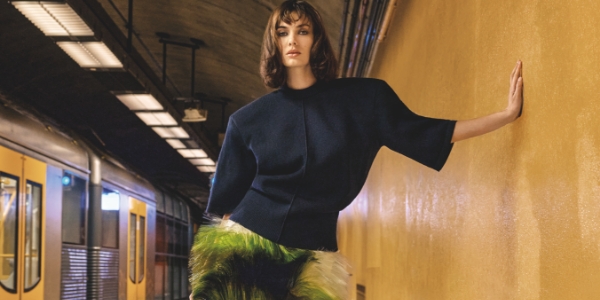



Some designers make noise; others make an impression. Lucy Macdonald belongs to the latter. After honing her craft in London and Paris — studying at Central Saint Martins and working for luxury names such as Emilia Wickstead — she returned to Auckland to quietly create. Two years on, what began as commissions from friends and acquaintances has since grown, organically and entirely by word of mouth, into a sought-after bespoke label defined by craftsmanship.
In conversation with Lucy Macdonald
What drew you toward bespoke design rather than following a ready-to-wear model?
Working in a bespoke capacity is thrilling on so many levels. From a design perspective, I love the challenge of harnessing the essence of the individual you’re creating for and distilling that insight and understanding into something covetable that they will treasure forever. I also enjoy challenging my clients to expand the sartorial horizons that they’ve ascribed to themselves. Sometimes it takes an exterior influence to help them believe that they can go further. For me, that’s the function of bespoke. Being given permission to create something thoughtful and thought-provoking, constructed with the most beautiful of materials.
How would you define your design aesthetic?
I think my design aesthetic is defined by tension between oppositions: the masculine and the feminine, the traditional and the contemporary, the exquisite and the unsavoury, beauty and toughness. For me, good design emerges out of friction — there’s something compelling about destabilising logic and tampering with convention, dismantling what’s expected and rebuilding what’s not. Beauty is dull in the absence of contrast.
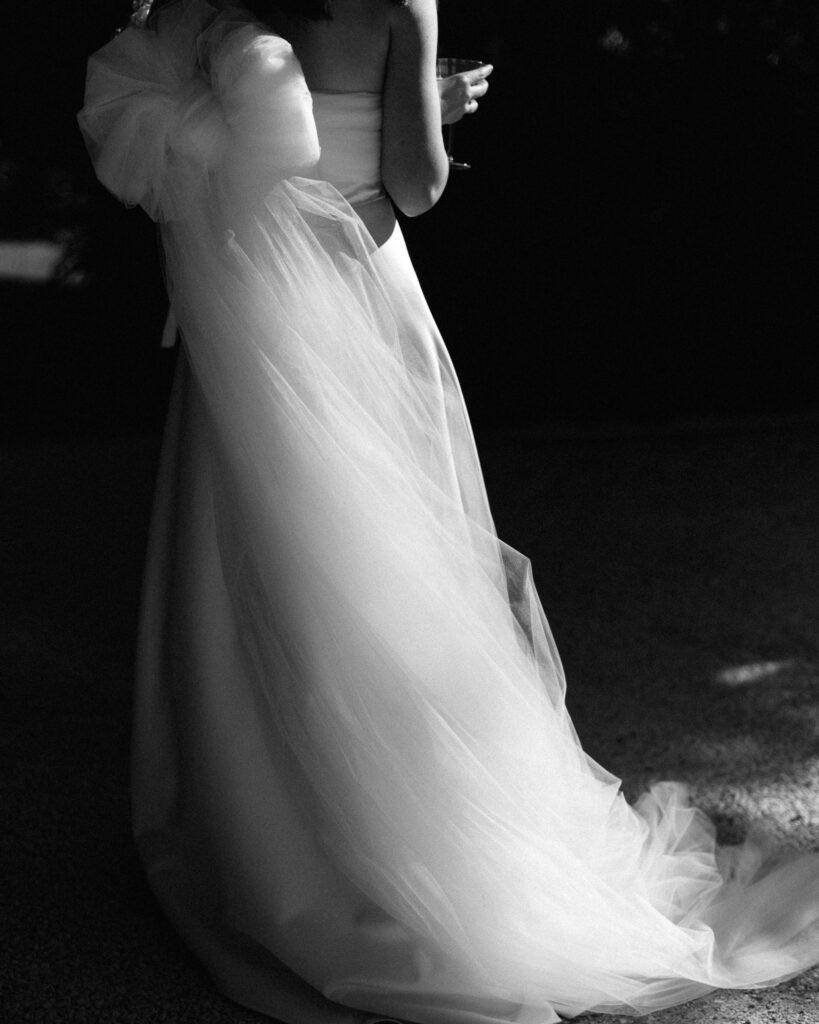
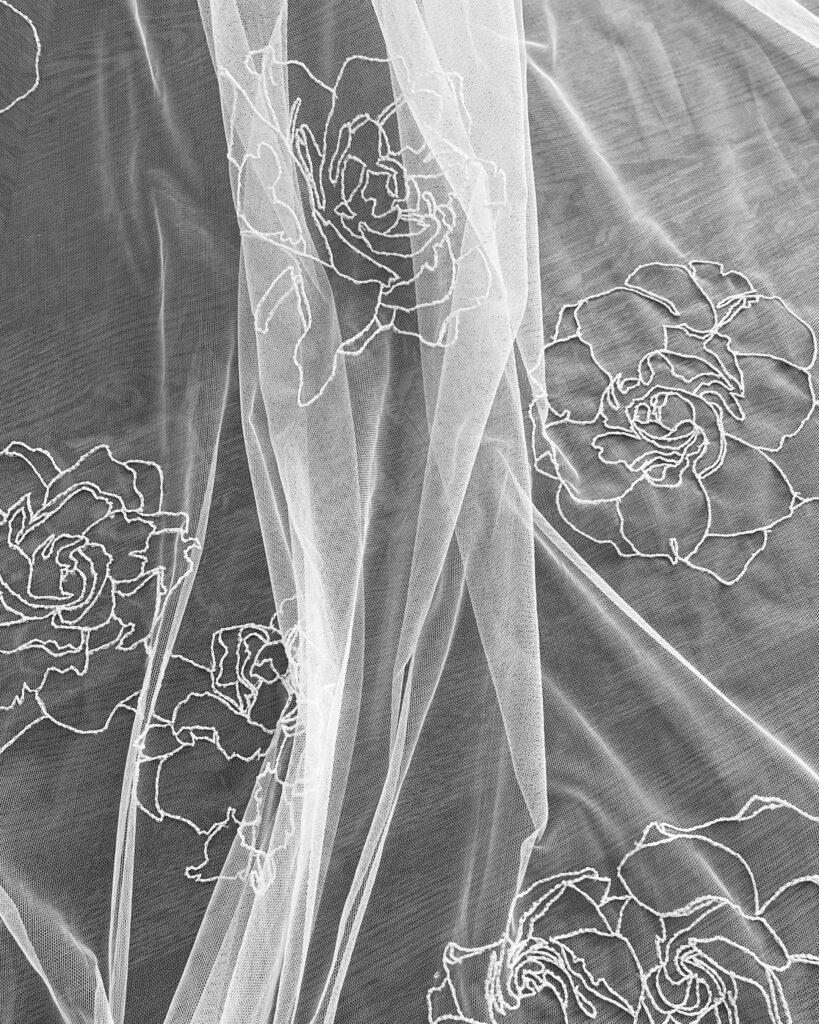
Can you talk us through your creative process? What is it like creating meaningful, one-of-a-kind pieces with clients?
Everything I make is bespoke and one of one, so the journey varies slightly project to project. The objective is to create a garment of the highest integrity — both from a design and construction standpoint — that the client feels phenomenal in and that we are both proud of. An important part of my practice is in acknowledging that it takes a great deal of trust to put one of life’s significant moments in a stranger’s hands, so it’s vital to me that my clients feel involved and entitled to engage and collaborate at every step, from design through fabrication.
Traditional craftsmanship is at the heart of everything I make. The quality and provenance of my fabric and trims are as important as the integrity of the design and fabrication. I’m so lucky to have a brilliant team with incredible skill and devotion to their craft. Working with them makes my job such a pleasure.
Who or what inspires you creatively?
I find inspiration everywhere — music, art, textiles, travel — it’s very experiential. Much of the time it’s in a small detail; something unexpected will pique my interest and I’ll feel compelled to investigate it through the lens of my work. A large part of my design development is in experimentation; whether it be draping, dying, hand embroidery, or styling, so I’m forever finding inspiration in the discoveries I make within my own practice. Curiosity is essential; I never want to stop learning.
My clients also inspire me. When creating bespoke garments, you’re designing not only to the individual’s exterior self, but equally as crucially, their interior self too. Working so intimately with a person is a fascinating experience.
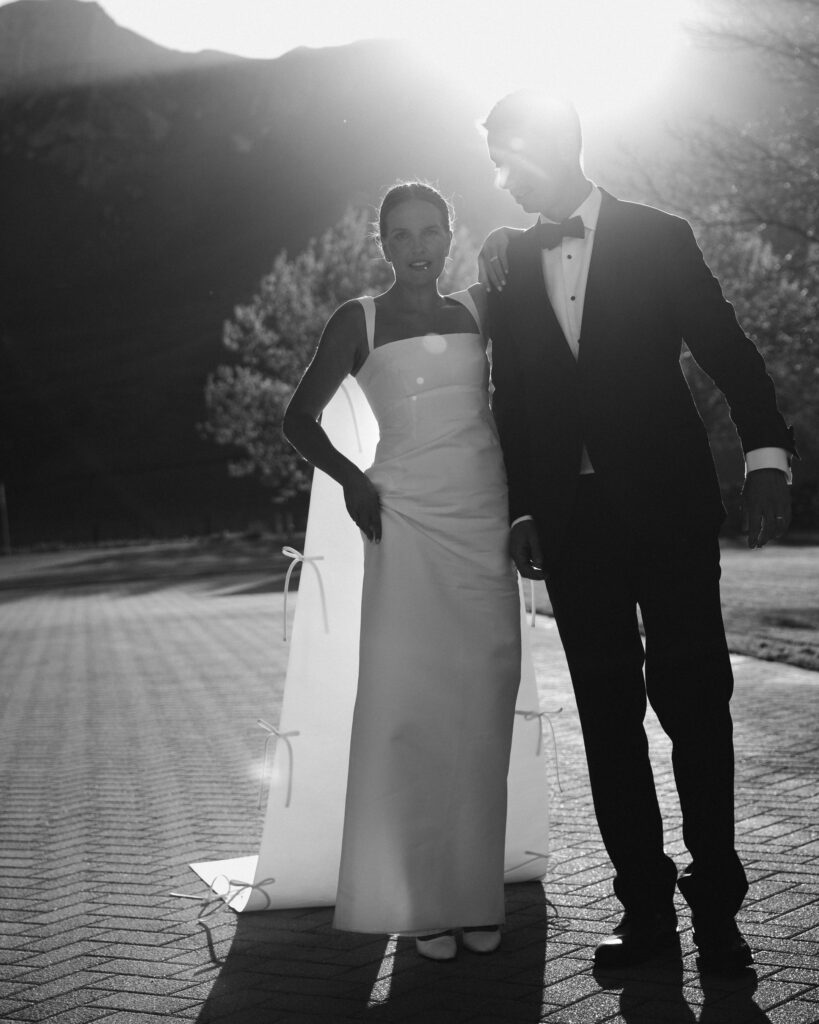
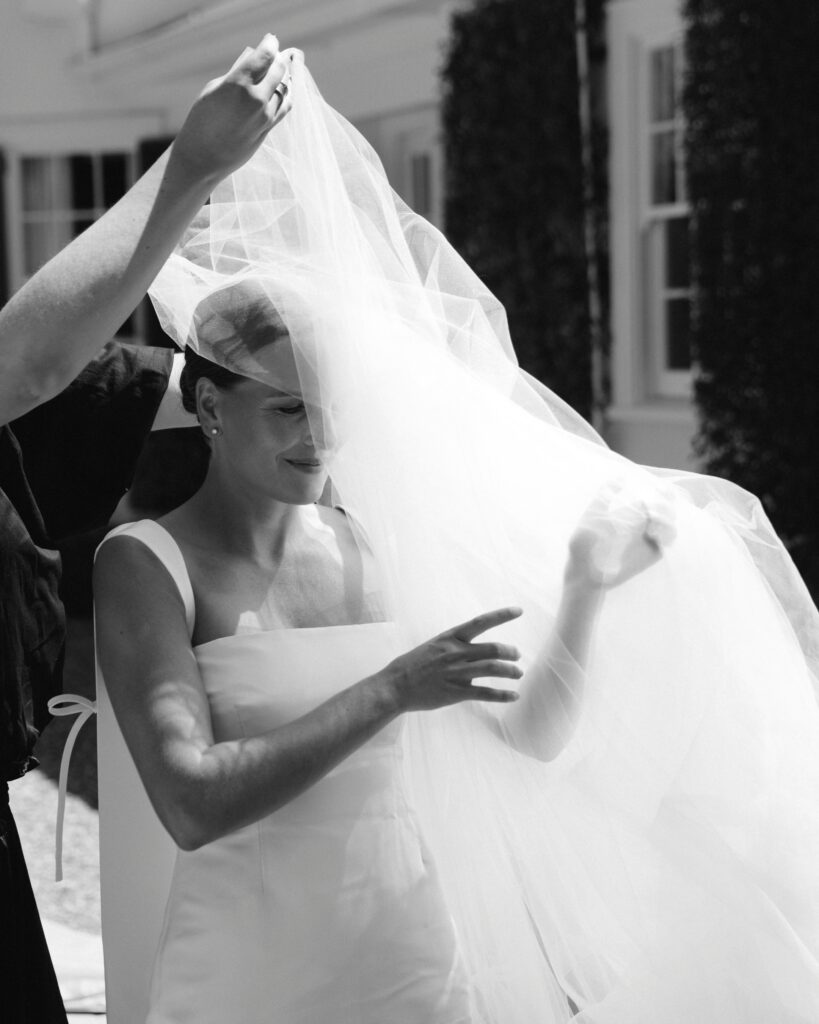
How do you balance staying in tune with fashion’s current mood while designing pieces that endure beyond trend cycles?
My design ethos will always favour timelessness over trend, but this doesn’t mean turning your back on what’s happening in the culture. With that said, I think designing pieces that endure is a much more challenging proposition than designing to the trend cycle, and more interesting too. In order for garments to transcend their moment of creation, contemplation of not only aesthetic longevity but also integrity of fabrication is crucial.
I think that trends can often be integrated into a look through styling alone. Ideally, a well-designed garment is able to be worn in many different ways and therefore capable of living multiple different lives.
What is one common misconception about the work you do/your industry that you’d like to dispel?
Fashion gets a bad rap and understandably so; it’s a problematic industry on many levels. Yet, for all its flaws, it gives our lives texture and dimension – things we desperately need in times like these. Fashion exists on a spectrum; at its least, it performs a function and at its most, it’s an art form. Either way, it’s a vital means of self-expression. No one is exempt. What you wear and how you wear it says a lot about you, regardless of whether you subscribe to that notion or not.
This article originally appeared in the autumn 2026 issue of Fashion Quarterly.
Words: Natalia Didovich