The century-old laundry lessons hidden in my great-grandmother’s notebooks

3 June 2026
By Georgia Bramley

When our creative director uncovered her great-grandmother's textile notebooks, she discovered a wealth of clothing-care wisdom. Read on for 20+ tips that feel just as relevant as they did 100 years ago.

Photography: Branislav Rodman/Unsplash.

My Oma can remove a stain that, by all accounts, should be permanent.

She grew up during the war in Holland and never quite lost the instinct that came with it: a full pantry, nothing wasted, always prepared. Wildly tenacious. Entrepreneurial in the truest sense. Impatient with laziness, meticulous about doing things properly. The last one standing on the dance floor. The sort of person who has never encountered a problem she didn’t believe she could solve, and has usually been right.

Growing up, she’d come over to our house and quietly transform chaos into order. Washing would reappear neatly pressed in perfect piles on our beds. Stains vanished. White shirts stayed white. Torn hems were repaired before you even realised they’d come undone. Caring for things was simply how she moved through the world.

As someone who inherited a quarter of her Dutch blood but apparently none of her laundry skills, I’ve always admired it, and felt quietly guilty about how little of it I’ve absorbed. So when I had the idea to write a piece on caring for clothes, I knew exactly where to start: with Oma. What I didn’t expect was what she’d pull out.

Pictured (left to right): Johanna Dempsey (Oma of Creative Director Georgia Bramley), Julie Bramley (Georgia’s mum), and Georgia Bramley.
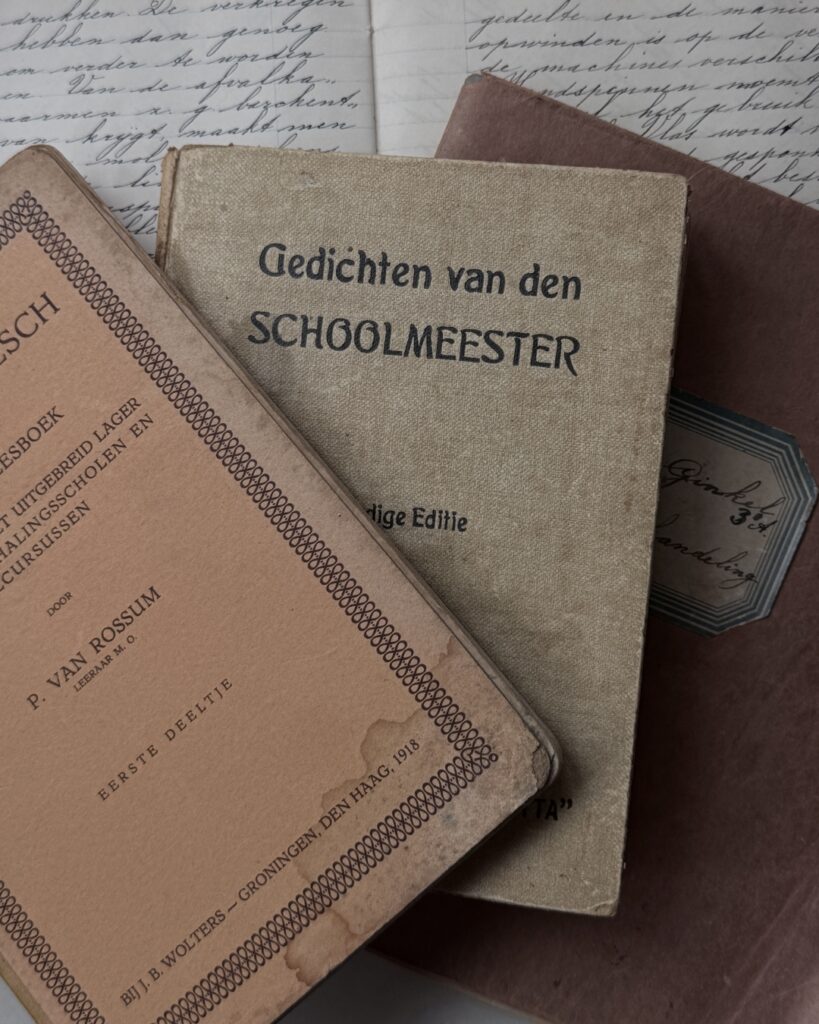
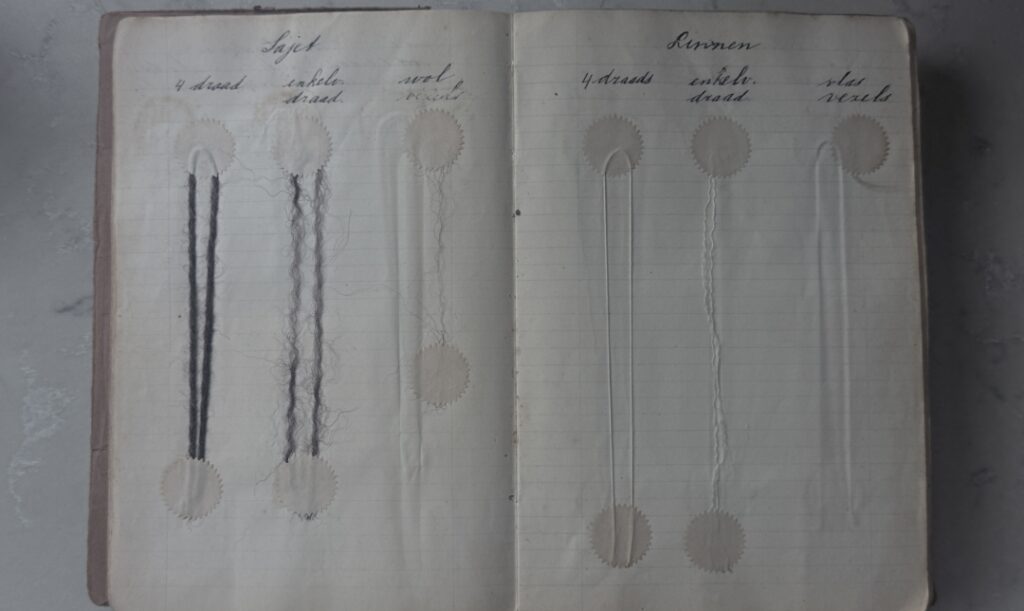
Notebooks belonging to Georgia's overgrootoma (great-grandmother) from the 1920's.

Notebooks belonging to my overgrootoma, my great-grandmother, written by Oma’s mother when she was just 17 years old, in the 1920s, during her final years at finishing school in Holland. This was an era when women receiving this kind of formal education was still relatively rare. The fact that she received such an extensive, rigorous education makes these notes all the more remarkable.

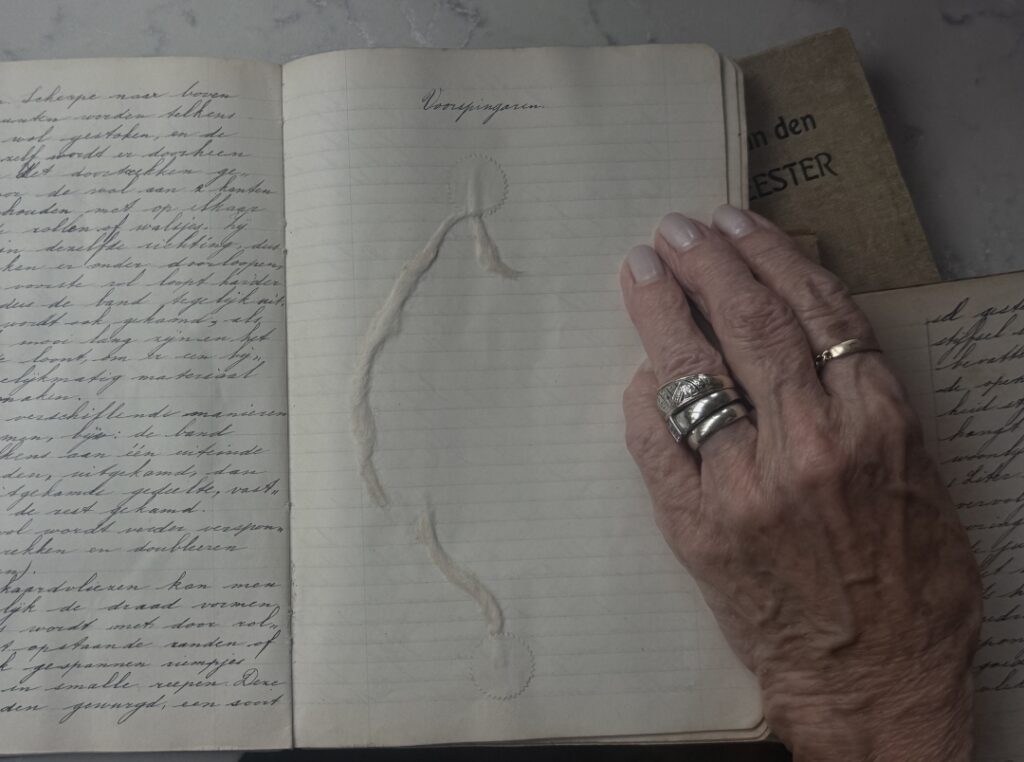
Page after page is filled with perfectly formed handwritten Dutch cursive, covering textiles, fibres, garment construction, dyeing techniques and stain removal. There are carefully mounted fabric swatches alongside observations about silk, wool and cotton. Detailed instructions on removing mildew. Notes on preserving collars and cuffs. Entire sections dedicated to understanding how fabric behaves over time. On one page, actual sewing needles (threaded and labelled) are still mounted on the paper, over a century later.

Not fashion, exactly. But something arguably more valuable: textile literacy. A deep, practical understanding of how fabric works, wears and lasts.

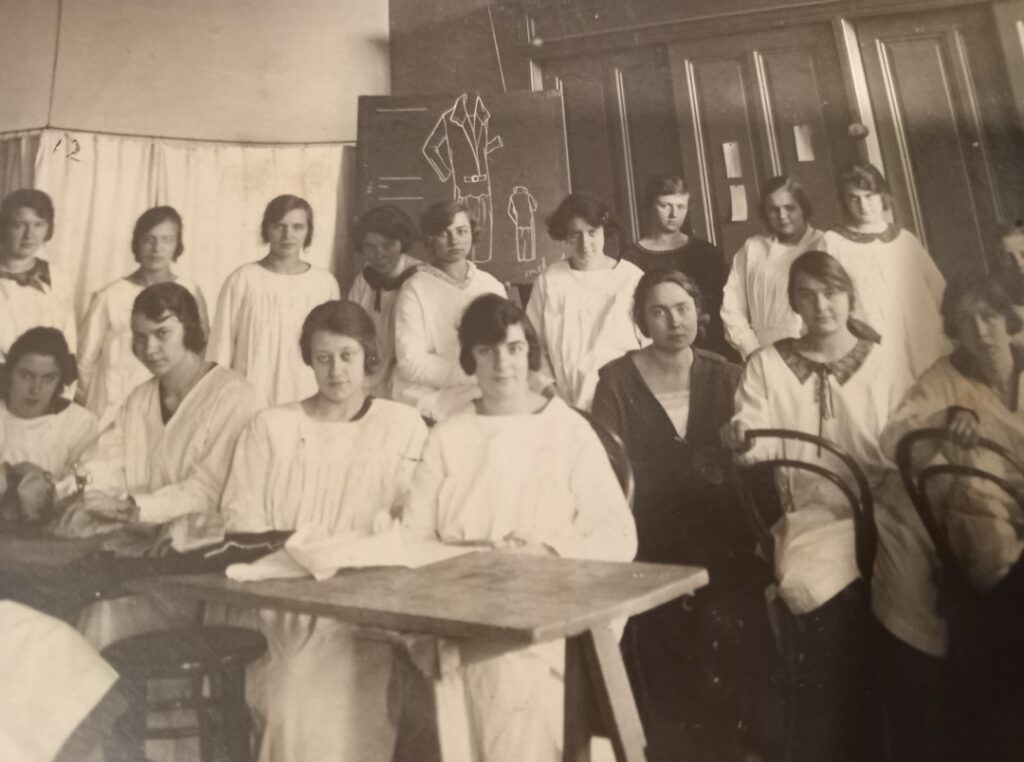
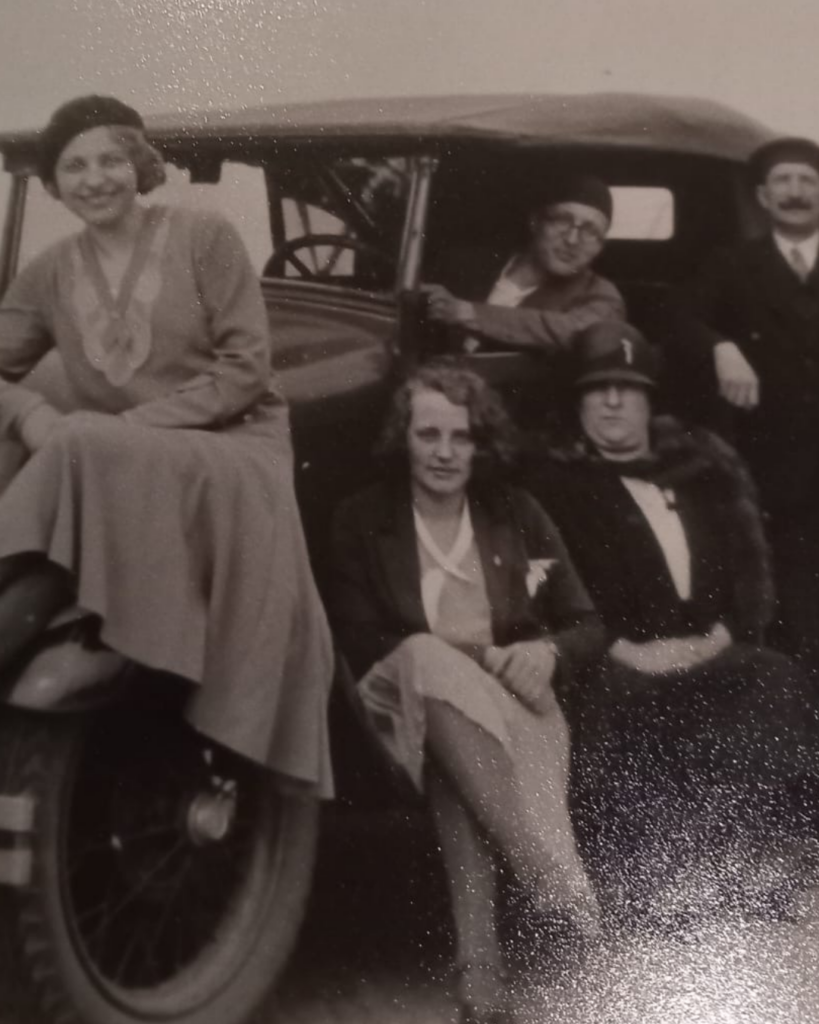
Hendrica Willemina van den Broek, pictured fifth from the left in the back row.

Reading through them, I realised previous generations cared for clothing because they had no choice but to. Nothing was easily replaced. Garments were expensive, made to last, and expected to. Knowing how to look after them wasn’t a lifestyle choice. It was just life. These were school notes. This was the curriculum.

And oddly, much of it still feels current.

Alongside the notebooks were my Oma’s own household manuals, filled with advice that would feel entirely at home on TikTok today: white vinegar for deodorant stains, sunlight for whitening, eucalyptus oil for label residue, spot-cleaning wine before it sets, careful blotting instead of scrubbing. The same “hacks” now packaged as modern discoveries have existed for generations. Passed down, written out, refined over time.

Today, most of us can identify a trend faster than a fibre. We know what’s in fashion, but not necessarily how to make it last. Clothing has become increasingly accessible, which is wonderful in many ways, but it’s also made replacement feel easier than repair. And while fashion moves faster than ever, caring for what we already own still feels like one of the simplest ways to consume more thoughtfully.

The antidote, it turns out, has been sitting in my Oma’s cupboard the whole time.

Oma, meanwhile, still approaches a ruined garment the way she approaches most things: with practicality, persistence, and absolute certainty that it can be saved. She’s usually right.

I’m working on it.

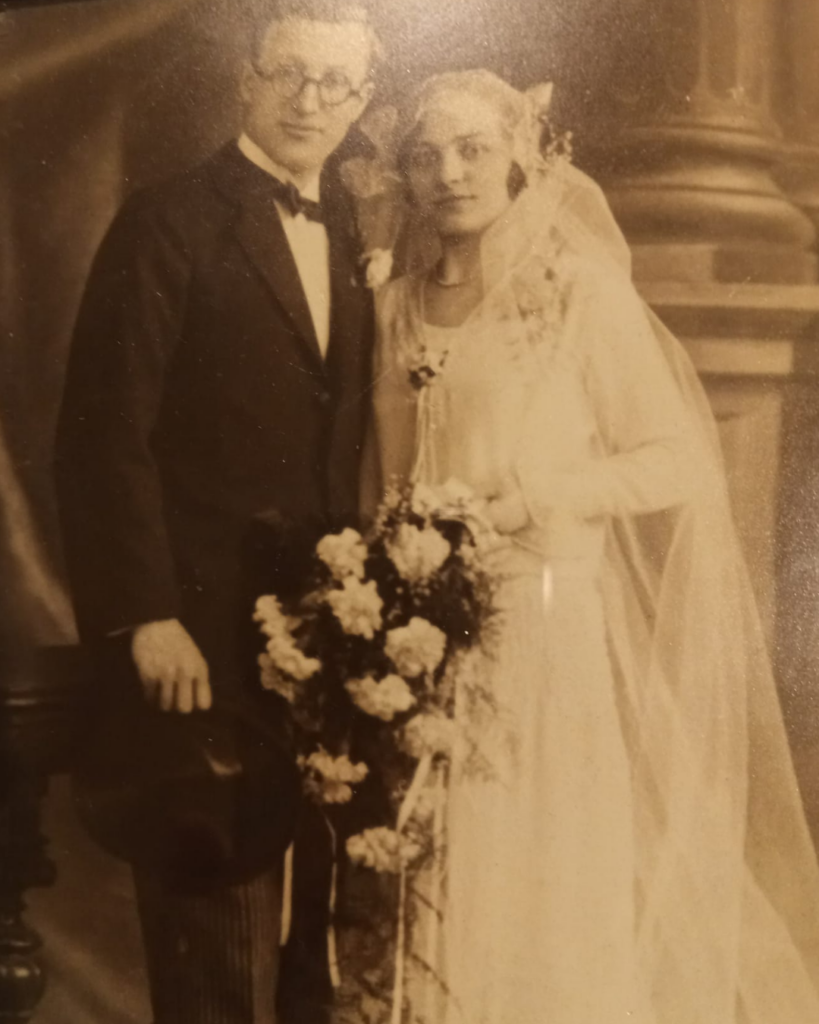
Great-oma and great-opa picture on their wedding day.
Great-oma, Hendrica Willemina van den Broek pictured on the far left.
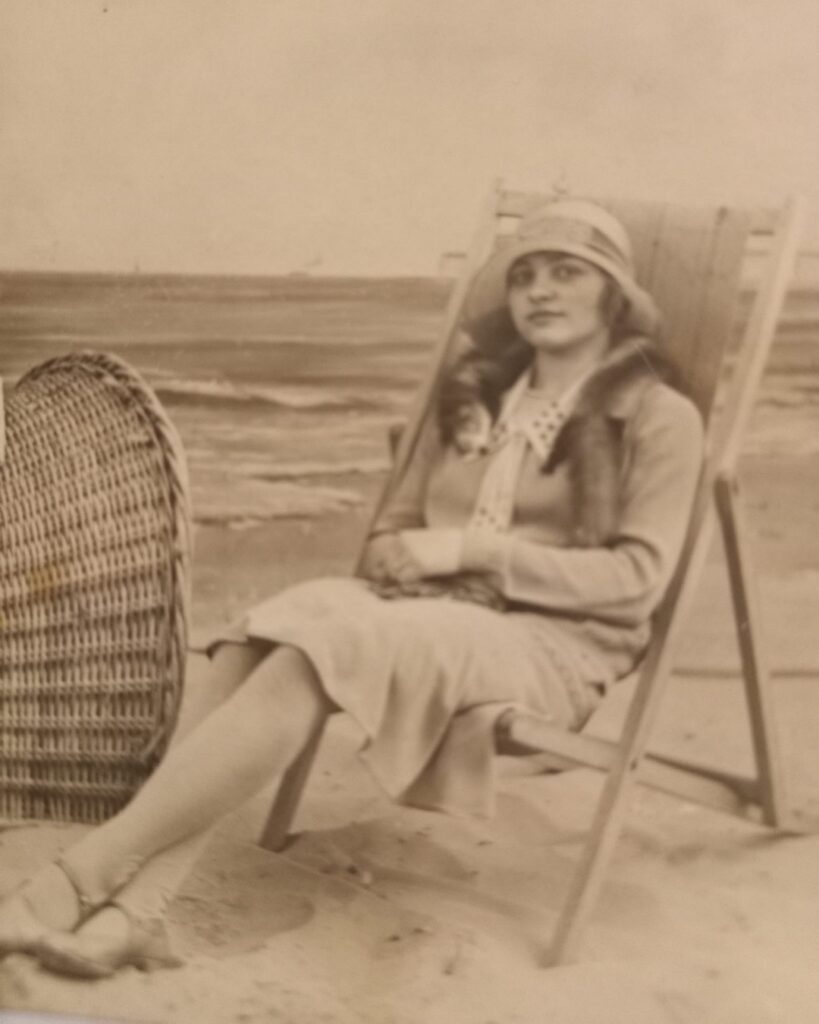
Pictured: Hendrica Willemina van den Broek, Creative Director Georgia Bramley’s overgrootoma (great-grandmother).

The tips: Two generations of textile knowledge

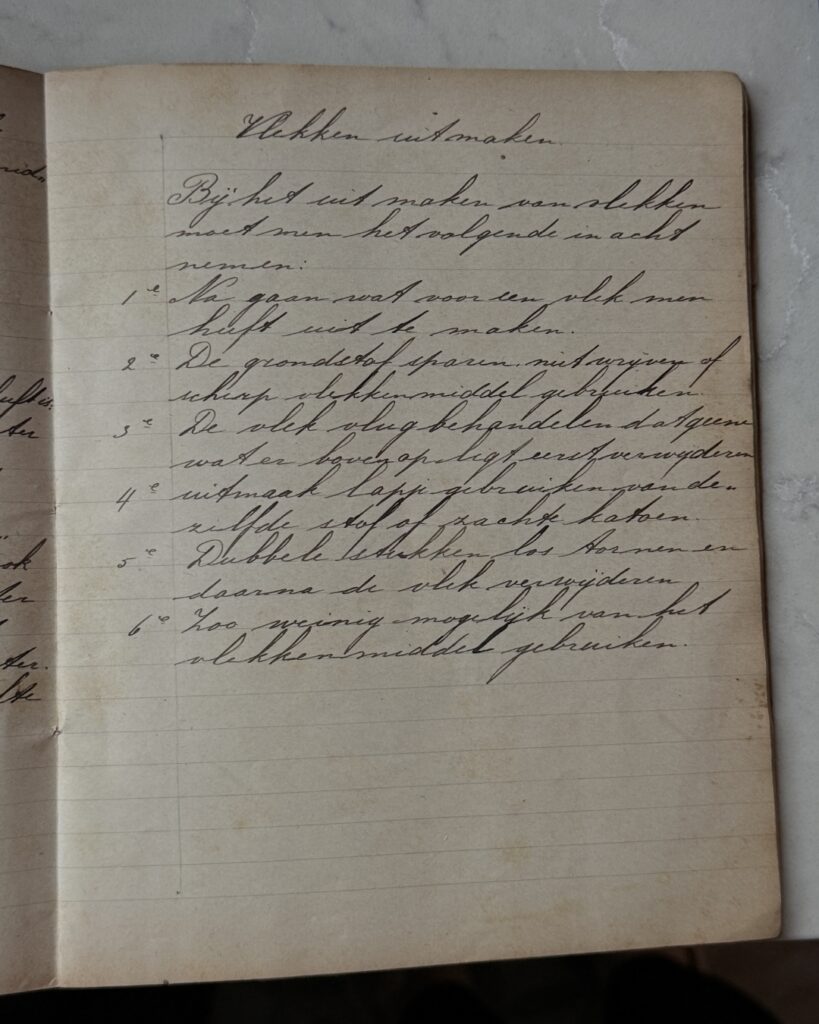
Tucked inside was a page headed “Vlekken uitmaken” (Stain Removal). Written in my great grandmother’s careful Dutch cursive, six rules she’d been taught at 17 and thought worth writing down:

  1. First establish what kind of stain you need to remove.
  2. Spare the fabric, do not rub or use a harsh stain remover.
  3. Treat the stain quickly so nothing has a chance to settle.
  4. Use a removal cloth of the same fabric, or soft cotton.
  5. For set stains, loosen first, then remove.
  6. Use as little stain remover as possible.

A hundred years later, I can’t find a single thing to argue with.

Between the two of them, they covered everything. Here’s what I’ve taken away.

The six tips handwritten by great-oma Hendrica Willemina van Ginkel-van den Broek.

By fabric

Wool: Lukewarm water only, squeeze don’t rub, and always lay flat to dry, never hang. Hanging wet knitwear stretches it permanently.

Silk: A few drops of white vinegar and methylated spirits in warm soapy water. Never wring. Iron on the wrong side while slightly damp.

Linen: Soak before washing, use hot water, starch after, and iron while still damp for that crisp finish.

Dark fabrics & coats: Wash by hand in lukewarm soapy water without rubbing, lay flat to the original measurements to dry, and always iron on the wrong side.

Suede: Soda water for grease, a toothbrush dipped in white vinegar for marks, fine sandpaper to refresh the surface.

Velvet: Steam in a closed bathroom to restore the pile. Never iron directly.


By stain

Blood: Cold salted water immediately. Never hot: it cooks the proteins into the fabric permanently.

Wine: Salt immediately to absorb, then undiluted white vinegar. Blot, repeat, wash. Cotton and cotton-polyester only, within 24 hours.

Lipstick: Soak in milk for 30 minutes, then wash as normal. More effective than it sounds.

Grease & oil: Place fabric between two sheets of brown paper and iron over it. The paper draws the grease straight out.

Perspiration: Soak in white vinegar overnight. Also kills odour-causing bacteria.

Wax: Freeze with ice, chip off what you can, then brown paper and a hot iron for the rest.

Ink and biro: Dab with methylated spirits, wash as normal. For ballpoint specifically, place a towel under the stain and work from the back.

Rust: Lemon juice and salt directly on the stain, leave in sunlight for an hour or two, rinse and wash as normal. Slow but genuinely effective.

Grass stains: Sponge with a solution of two parts methylated spirits to one part ammonia before washing as normal.

Make-up and mascara: Sponge with liquid detergent, rinse, wash as normal. Simple and it works.

Mildew: Make a paste of bicarbonate of soda and water, apply to the affected area, leave to dry, brush off and wash as normal.


Quick wins

Labels and sticky residue: Eucalyptus oil. Every time.

Deodorant marks: Rub with white vinegar before laundering.

Whites that have yellowed: Soak overnight in 12 parts warm water to 1 part white vinegar, launder as usual. Both my overgrootoma and Oma swear by this. A century apart.

Second hand and vintage pieces: Add white vinegar to the wash cycle, or to a basin of water for hand washing delicates. Deodorises, kills bacteria, and won’t damage the fabric.

Suits and clothes you can’t easily wash: Hot bath, white vinegar in the water, hang garments in the steam for a couple of hours, then air outside. It works.

Share:

Sign up & Join
FQ Insider

Unlock exclusive content, behind-the-scenes insights, and special offers by becoming an FQ Insider.

Fashion Quarterly Winter 2023 Cover

Sign up & Join
FQ Insider

Unlock exclusive content, behind-the-scenes insights, and special offers by becoming an FQ Insider.

Don’t miss a thing. Sign up to FQ’s weekly newsletter.

*Ts&Cs apply.
Find out more at fq.co.nz/fq-newsletter