

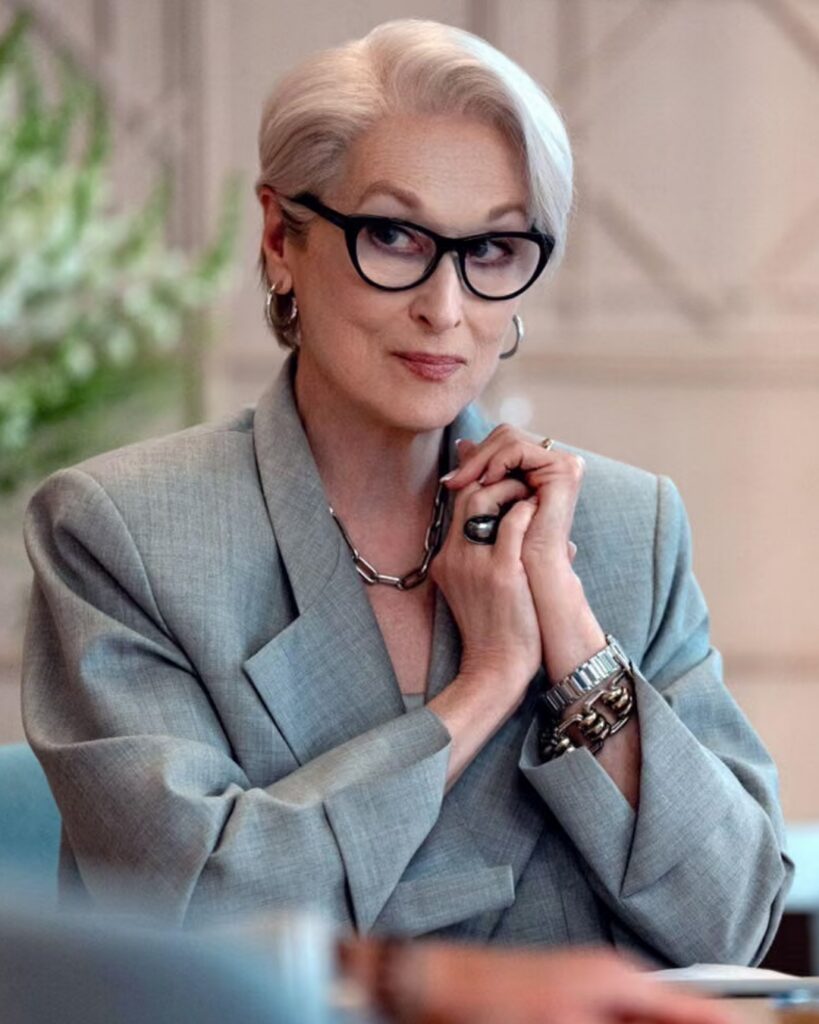
20 years ago, a whole generation of fashion lovers were introduced to the world of Runway. A glamorous, glossy world where trips to Paris Fashion Week, endless rails of designer clothes and celebrity-packed parties were the norm. Want entry to fashion’s inner circle? You just have to withstand the long hours, relentless deadlines, and a ruthless editor-in-chief. Despite The Devil Wears Prada’s admittedly toxic depiction of the industry, countless young hopefuls (myself included) were lured in by its irresistible sheen.
So, does the sequel reflect what fashion media actually looks like in 2026? Or is it still trading on the mythology that first drew so many of us in? Here, I take a closer look at how The Devil Wears Prada 2 stacks up and whether it’s truly worth the watch.
NOTE: Minor spoilers may be found below. Read at your own risk.
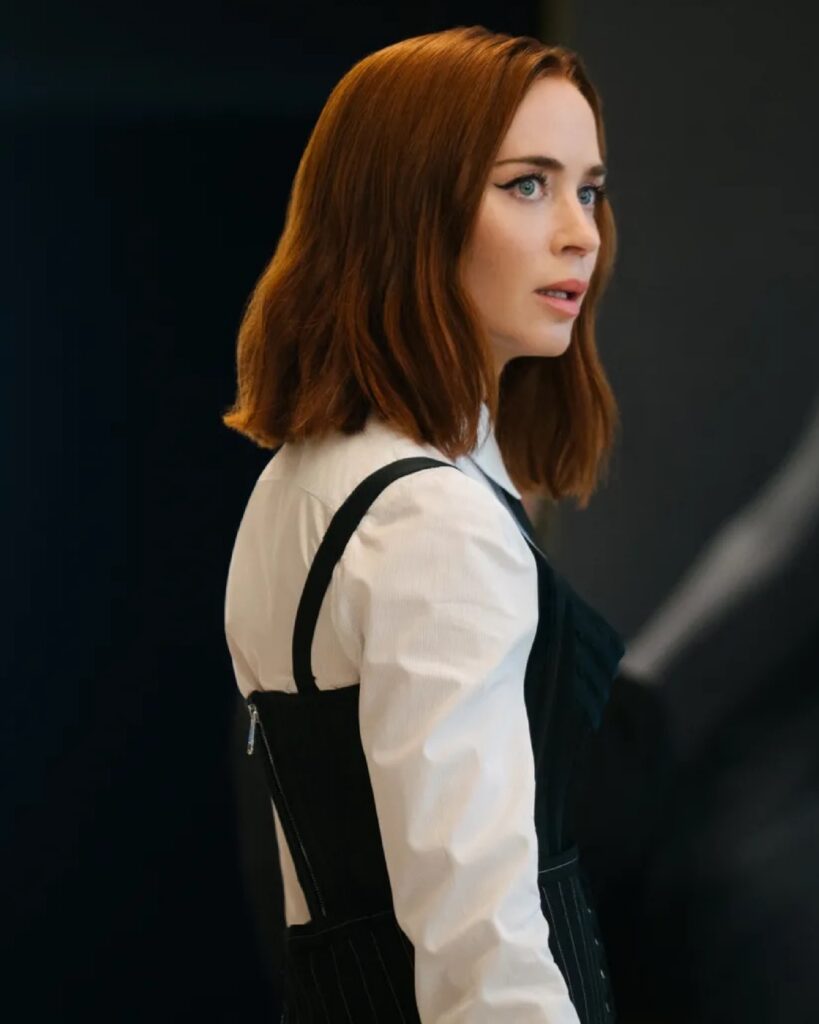
The gloss and glamour
Like any media organisation, the Runway we re-enter in 2026 is not quite the one we remember from 2006. The gloss is still there, but the rules around it have shifted. The fashion cupboard, once a seemingly endless treasure trove of designer pieces, now feels a little more… controlled.
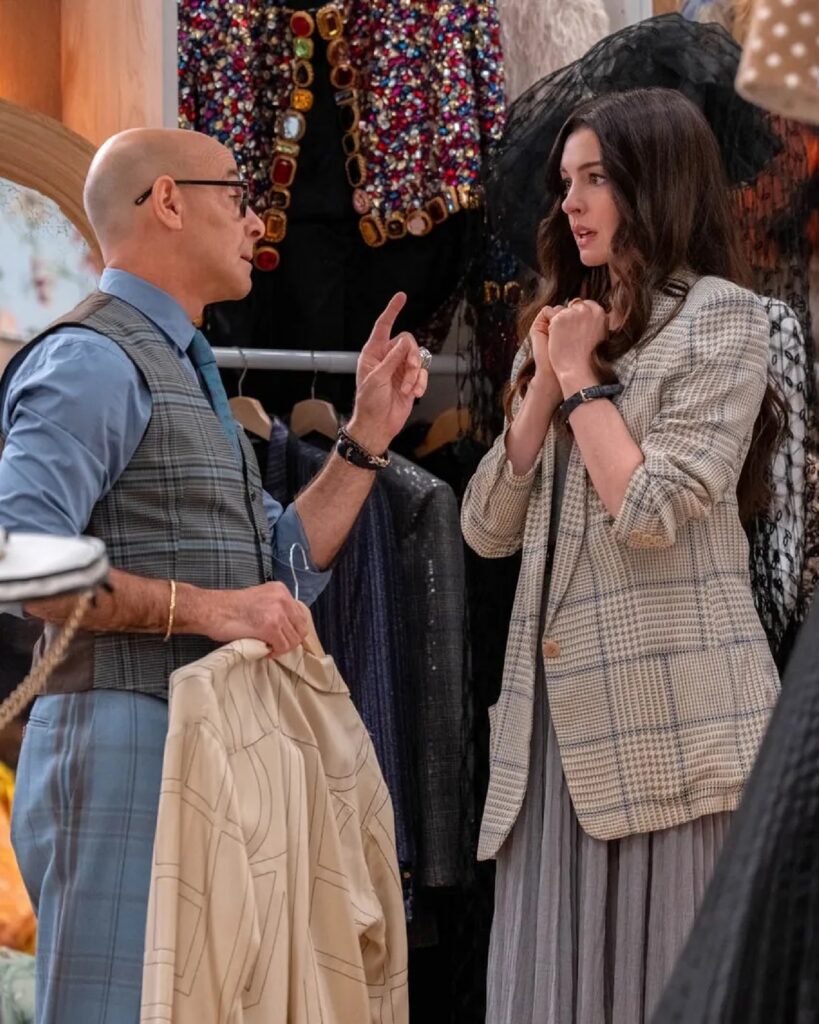
There were knowing laughs at our preview screening when Nigel slips Andy a few pieces, only to warn her not to stain them. Gone are the days of carefree Chanel boots handed out like party favours. Honestly, I was half-surprised the fashion cupboard still existed at all.
In reality, the process is far less cinematic. At FQ, we call in samples for shoots, but they don’t live in a glossy, walk-in wardrobe waiting to be plucked at whim. (I wish!!) More often than not, they’re couriered directly to set and swiftly returned that day. The same goes for event dressing: yes, pieces are loaned for moments like New Zealand Fashion Week, but the unspoken rule is clear… you guard them with your life (or face the wrath of the PR).
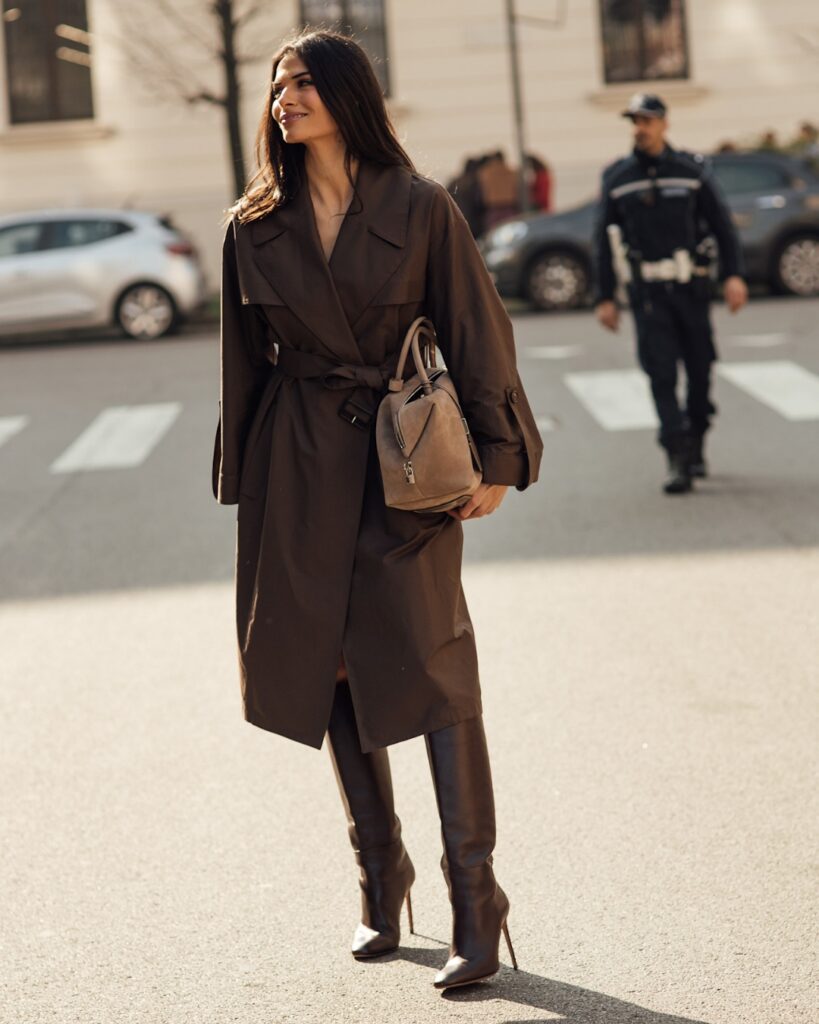
As for the fashion itself, it was just as camp and eye-catching as we expected it would be. Though, I wonder how much Dolce & Gabbana and Dior paid for their frequent mentions. There are also a number of callbacks to the original (including a certain cerulean moment).
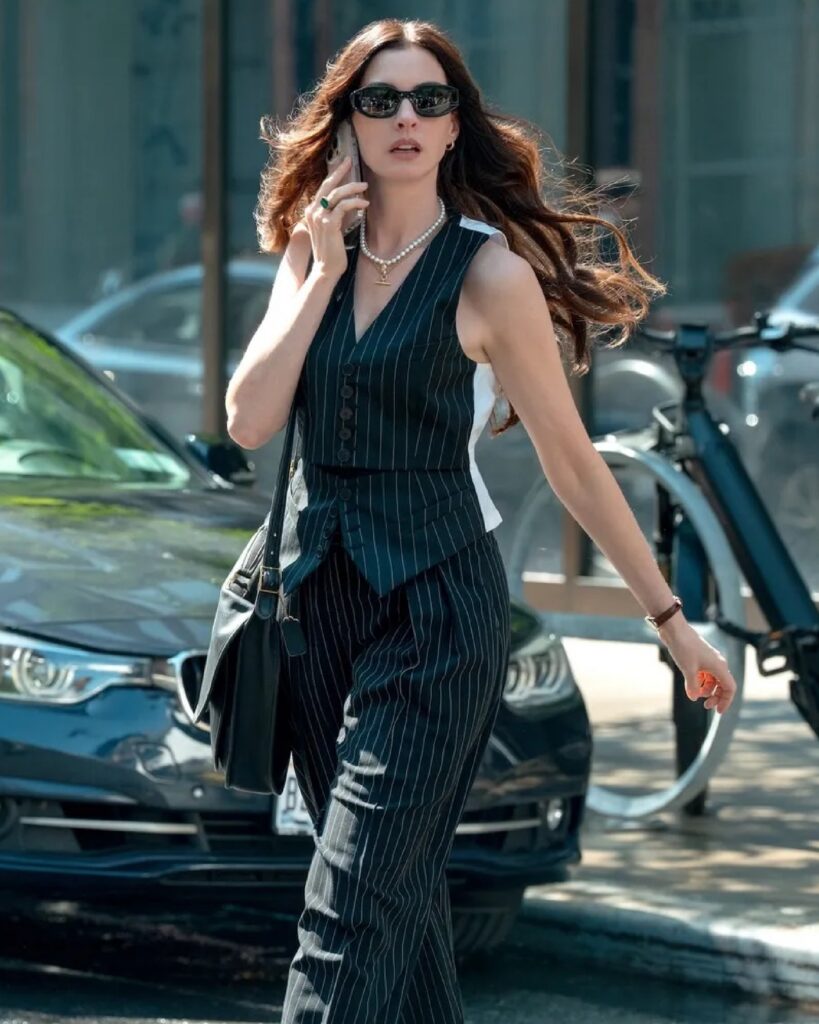
Commercial, commercial, commercial
In 2026, Andy Sachs (who has been brought in as Runway’s new Features Editor) is introduced to the wonderful world of commercial. Long gone are the days when magazines can survive on the power of their readership alone. Now, Runway exists in a far more precarious ecosystem — one shaped by shifting ad spend and tightening budgets.
It’s an interesting shift in power dynamics. If the original film was about surviving Miranda Priestly, the sequel suggests the real test might be navigating a fragile industry where influence no longer sits solely in the editor’s chair, but increasingly in the hands of those funding the story.
Digital first
Unlike the first film, Runway is no longer confined to the glossy pages of a magazine (though ‘The Book’ still exists). Like many print titles, it has expanded into the digital space, complete with an app, affiliate links, and a constant push for clicks and engagement. As FQ’s digital producer, this is a reality I navigate daily. I felt Andy’s frustration when she’s faced with trying to reconcile the kind of thoughtful, in-depth stories she wants to tell with the ones that will receive the maximum number of clicks.
Spending hours on a feature, only for it to feel like it’s been read by your mum and a handful of fashion insiders — while something dashed off in five minutes quietly breaks every content record — is a uniquely modern frustration. Even writing this review, there’s that familiar question: will the time invested translate into clicks? (And yes — if you are reading this, Mum, hi!).
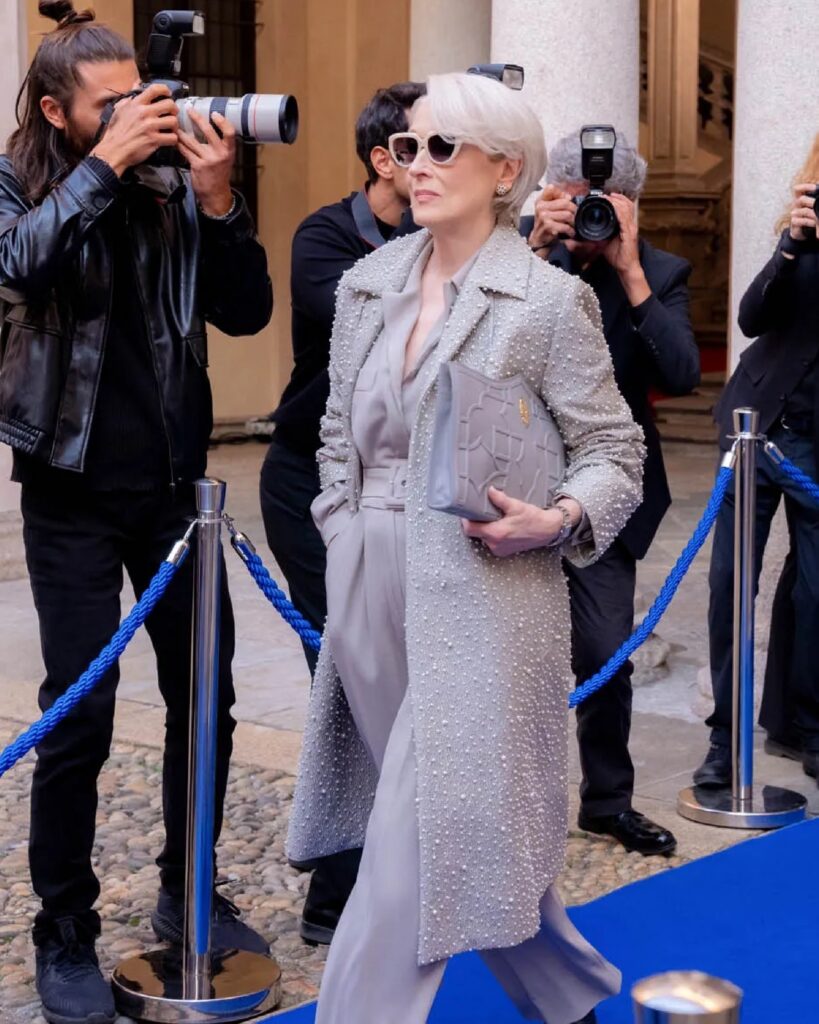
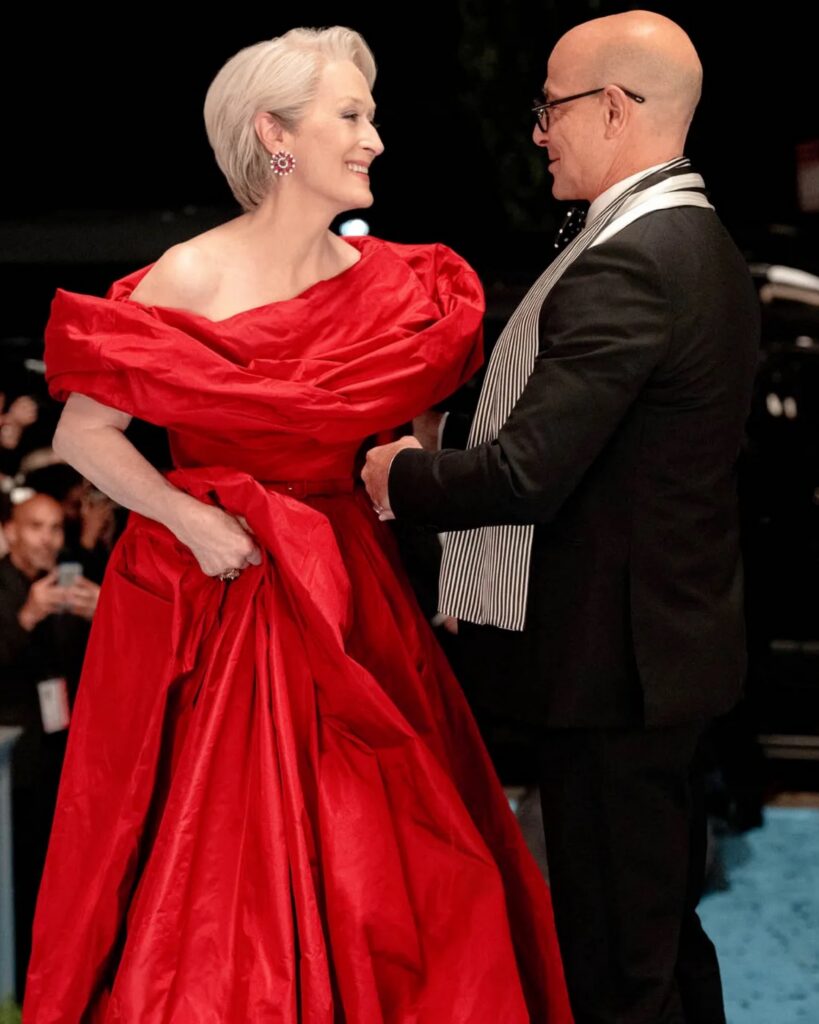
Miranda Priestly meets HR
Another update I didn’t expect to love, but absolutely did, was Miranda Priestly’s introduction to the world of HR. She’s still as cutting as ever, but this time there are (finally) a few checks in place. While I won’t spoil the specifics, it makes for plenty of knowing laughs and a collective sigh of relief from all the former assistants in the screening room.
I’m often asked whether the fashion industry is really as toxic as it’s portrayed in The Devil Wears Prada. The truth sits somewhere in the middle. While, yes I do have a few horror stories from my assistant days (and a former workplace that had a specific toilet cubicle dubbed by all my fellow assistants as the “crying bathroom”). The industry is so much more than a toxic few who ruin it for the many incredibly kind and talented people who work in it. That said, there is something undeniably satisfying about seeing those dynamics challenged on screen. Boundaries? In fashion? Never heard of her.
Is it worth the hype?
I went into the film with a journalist’s trademark scepticism. Would it live up to the hype? Will I be cringing the whole time? Will the characters be able to emote through all their botox.
But, I can 100% say that yes, it’s well worth the watch. I may have been triggered once or twice (some of the budget cut storylines hit a little too close to home) and while The Devil Wears Prada 2 likely won’t be sweeping the 2026 Academy Awards, it’s an undeniably enjoyable escape into fashion fantasy. Nostalgic, glamorous and punctuated with a few perfectly placed cameos… I can’t wait to watch it again.
And for the next generation watching this and imagining a future in fashion media — the allure is still there. The industry may look different to what it did 20 years ago, but the opportunity remains. The path is less linear, and perhaps less glamorous than it once seemed, but it is still very much worth pursuing.