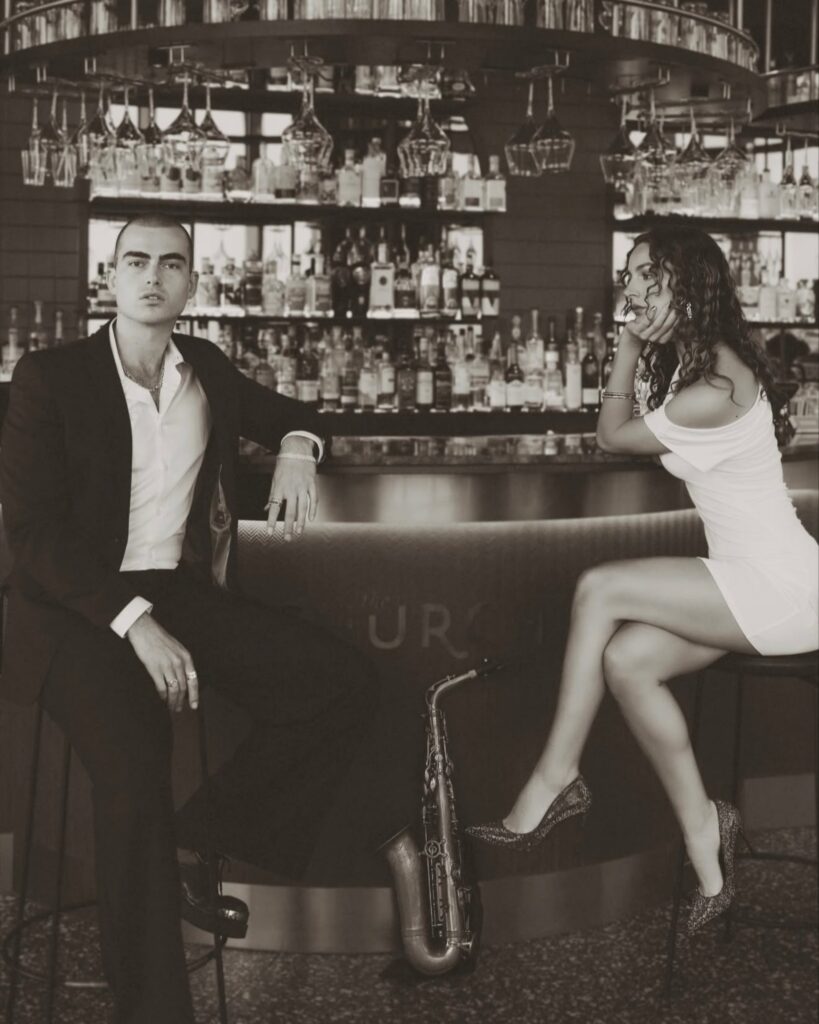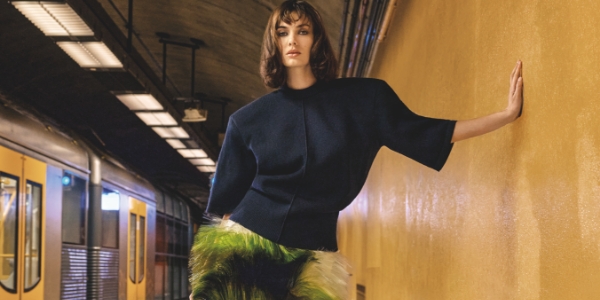


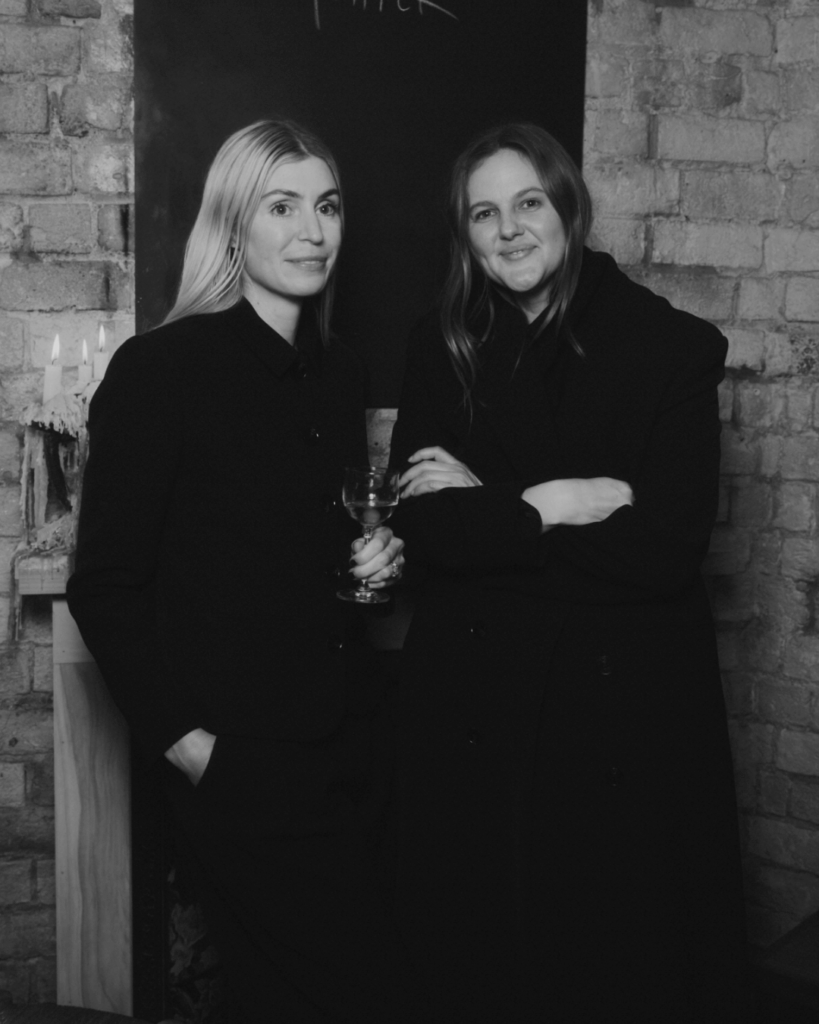
Harris Tapper’s long-awaited New Zealand Fashion Week debut unfolded not in a cavernous show space but in the hushed intimacy of Blue, the Ponsonby Road venue known for its shadowed interiors and restrained design. The setting was deliberate: an ode to the couture salons of mid-20th-century Paris, where Balenciaga and Dior once staged shows for audiences close enough to see every seam.
Co-founded in 2017 by Lauren Tapper and Sarah Harris Gould, Harris Tapper has grown from a cult favourite into a leading voice in contemporary New Zealand fashion, defined by its modern tailoring and minimalist aesthetic. Ahead of their NZFW debut last week, Fashion Quarterly’s digital producer Natalia Didovich sat down with the designers to talk through their creative process, the design references that inspires their work and details behind their highly anticipated debut. Read our conversation below:
In conversation with Sarah Harris Gould and Lauren Tapper:
FQ: To start, I’d love to talk through your creative process. What do you start when designing a new season? Is it a conversation or does it follow a period of research?
Lauren Tapper: It definitely starts with the conversation. We’ll discuss the tone, what we’re feeling, what we’re missing in our wardrobe, and anything we’ve seen that’s inspired us. Then we have a more formal, pre-design meeting where every area of the business from production to sales to creative come together to review the previous season.
Sarah Harris Gould: It’s a very in-depth meeting that gives us a really good understanding of where the business is at and that then informs how the collection is designed. So there is a balance of commerciality, commercial reality versus the conceptual side of it.
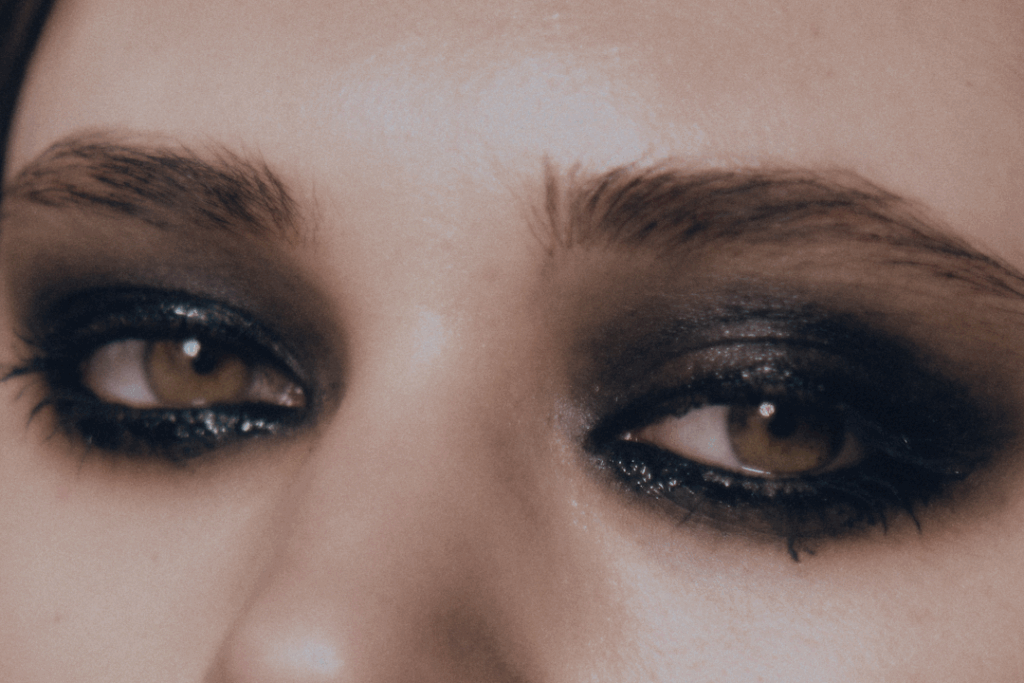
LT: When it comes time to design, our references come from everywhere. It can be like a film, an artwork, a photograph, or a person. A returning reference that we always look to is Robert Mapplethorpe’s work. We love his still-life of flowers, the raw everyday things, the naked photos that feel so haunting. There’s a duality in those images that is really beautiful, but there’s also rawness and a morbidity.
SHG: There’s definitely a morbidly pretty layer in everything that we design.
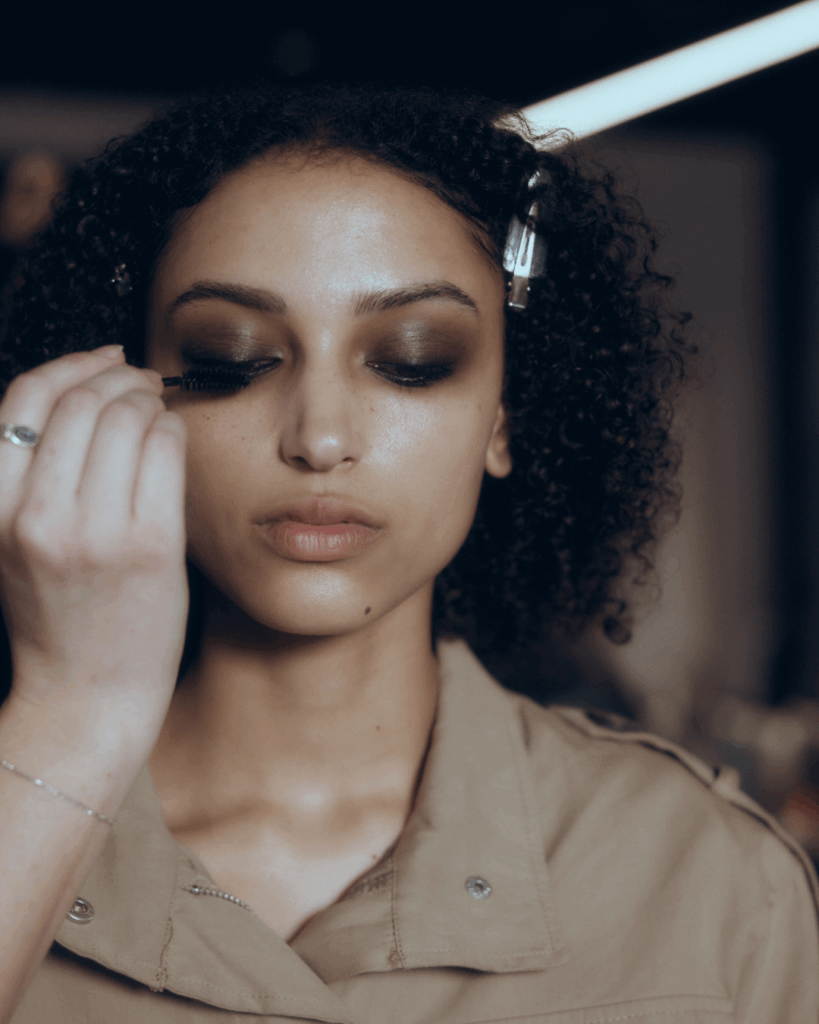
FQ: One thing I love about the pieces you create is that they resist the cycle of fast moving trends in favour of pieces that are quite timeless. In your views, what makes a garment endure?
SHG: It’s a mix of all the tiny details that are pulling towards excellence. I think it’s proportion, cut, fit and fabric. For example, the hand feel of fabric is 80% of the appeal. It’s also about the connection the person who has brought it has to the piece. There’s something to be said for the pieces that you hold onto in your wardrobe and reach for time and time again.
LT: We’re never designing with the latest micro-trend in mind. What guides us instead is the Harris Tapper woman’s day. We’re trying to champion her and enrich her day through what she chooses to wear.
FQ: And on that note, who is the Harris Tapper woman for you?
SHG: I think of her as a woman who’s incredibly multi-faceted and driven. I don’t see her as one specific person or muse because she is so many of us.
LT: She transcends age.
SHG: Yes! It’s her tenacity and her drive to be the best in everything that identifies her in a discerning way.
FQ: Your pieces feel like the building blocks of a wardrobe, tracing right back to those early shirting collections. While the brand has grown exponentially since then, the evolution has always been slow and considered. Why did you choose to take that path?
SHG: By nature, Lauren and I are very discerning ourselves and very considered in what we do and how we do it. That extends to every part of our business.
LT: There’s obviously an autobiographical sense of how we design, but also in the way we do business. We want to work with people who share the same sentiment and values. In the beginning we started with shirting in part because Sarah had a background in buying and really understood the commercial realities of what sells and doesn’t.
This allowed us to really hone in on and refine that one thing instead of being a jack of all trades, master of none. Then, as we eventually had more resources and began to grow, we were able to naturally build from there.
FQ: We’ve talked a little bit about your design references in the past – from ‘90s minimalism to mid-century tailoring and couture masters like Balenciaga. Firstly, what drew you to these design eras? How do you translate these references into pieces that resonate today?
LT: There was a real quiet showmanship to those periods, the way people dressed and put themselves together was incredibly elegant and purposeful.
SHG: They really thought about what they were doing when they got dressed in the morning.
LT: There’s something really lovely about taking a moment for yourself, especially when you’re so busy in modern life. We love the elegance of that period and playing with the juxtaposition of how this fits in with a modern day woman. We look to women like Jackie Kennedy and Lee Radziwill, and try to envisage the kind of power they would hold today as being women in their own right and not connected to their husbands. How would they be dressing in 2025?
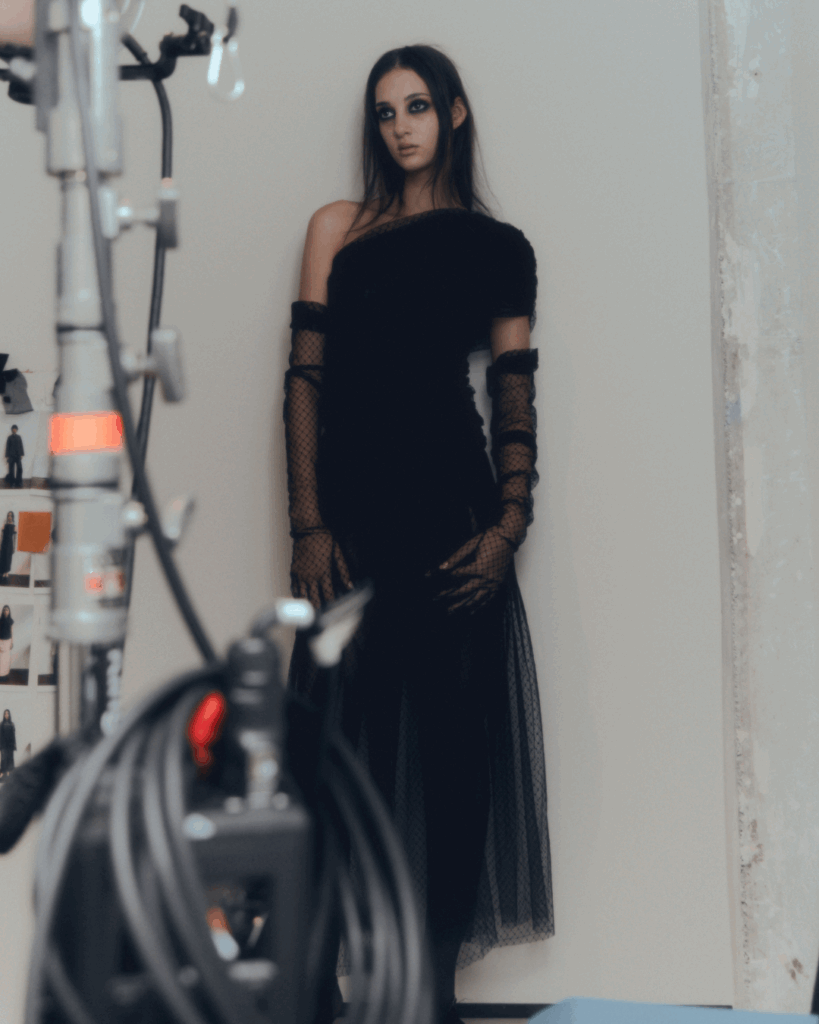
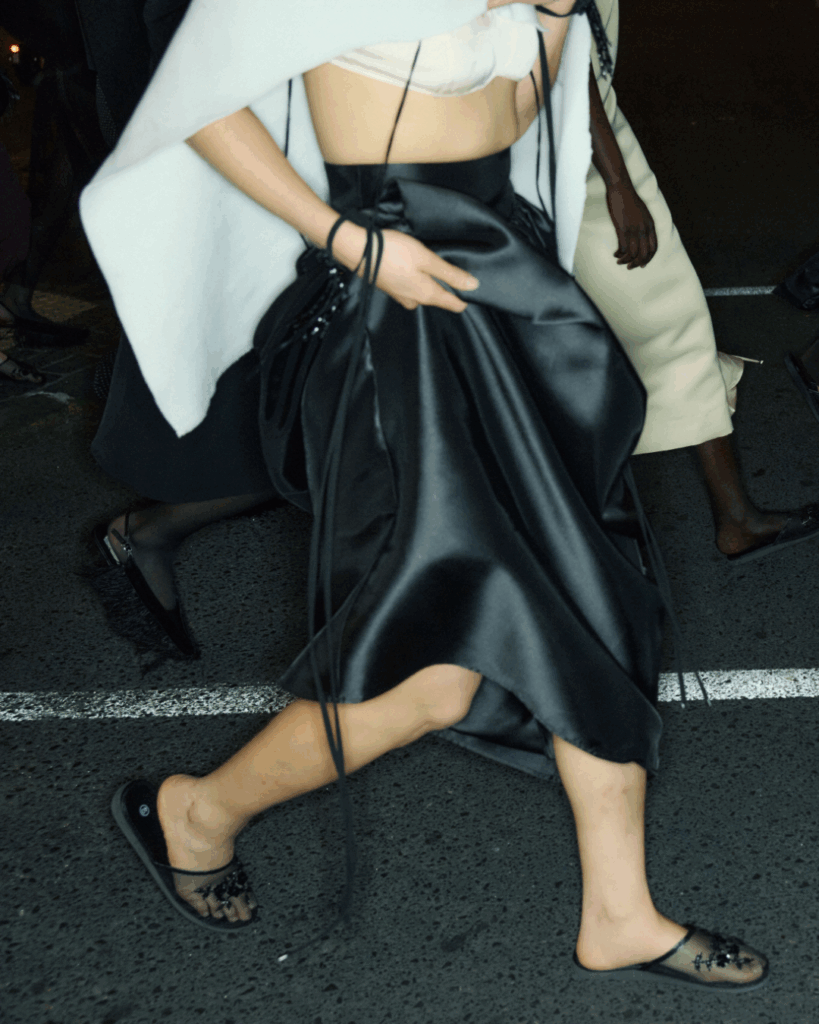
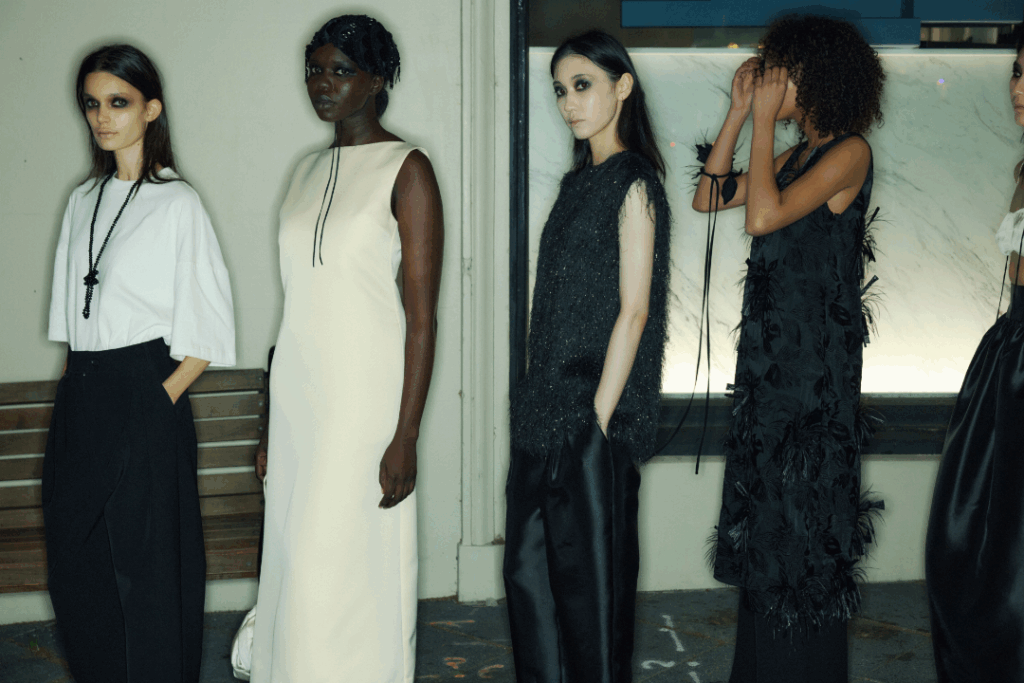
FQ: In your latest collection there are some beautiful contrasts between the softness of chiffon to the structure of tailored suiting pieces. Why is this balance so central to your design language?
SHG: Our brand is about duality. There are two of us, and our collections are about ease and elegance, minimalism and tailoring, sculpture and aesthetics.
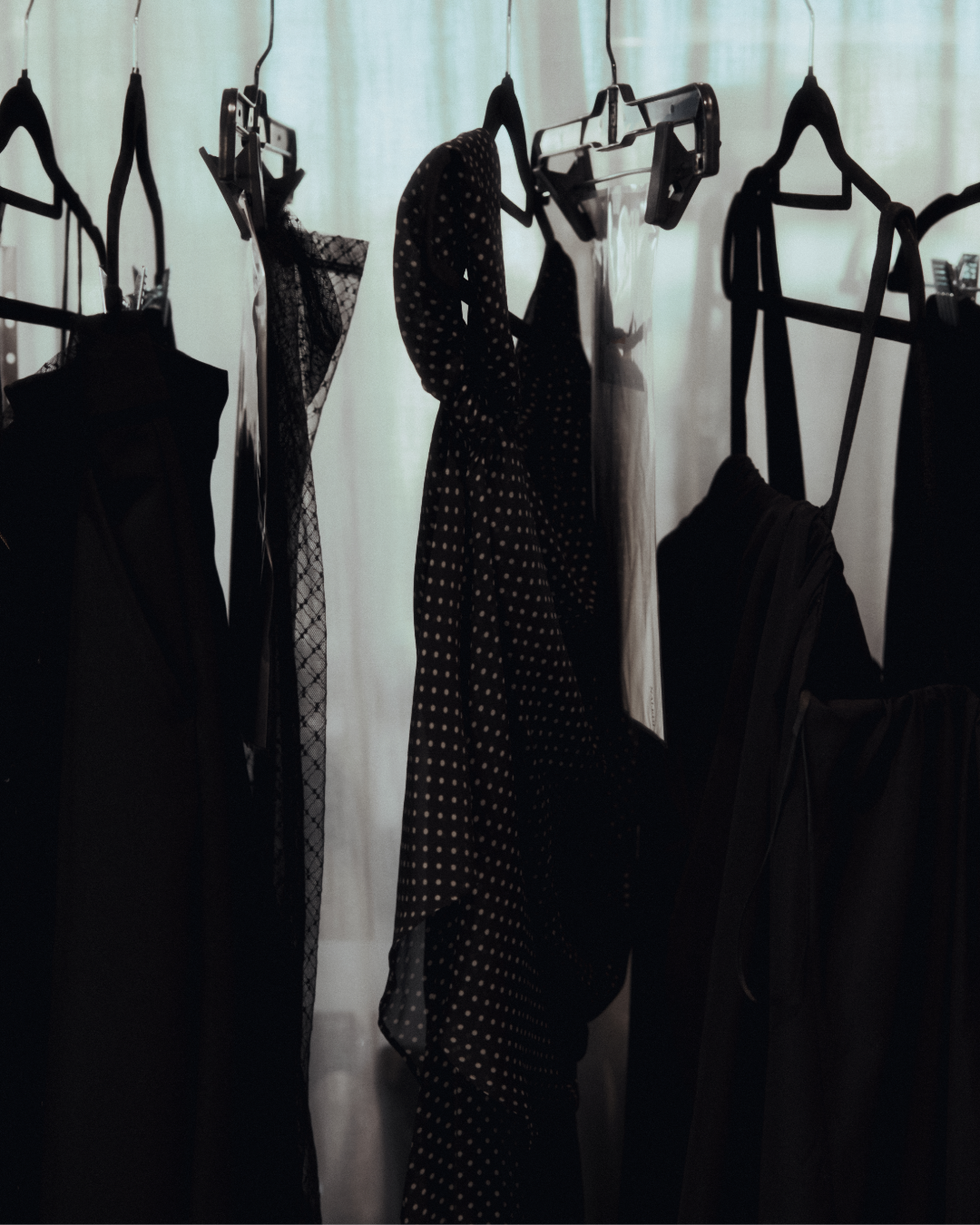
LT: We also believe that you can be feminine without wearing a floaty dress. It’s our point of view on what femininity is and what power is. They’re not mutually exclusive. You can have both. For example, in our latest collection there’s a beautiful silk polka-dot skirt with delicate waist detailing reminiscent of 1930s lingerie, shown alongside a sharply structured T-shirt with distinctly masculine proportions.
FQ: Now, Fashion week! Why did this year feel like the time to finally hold your debut show?
LT: At the moment, our brand has momentum and mystery, which feels like the perfect combination for us. All those things have contributed to it feeling like this is the right time for us. As we’ve said, we are quite slow to do things and we will say no. To build a real brand story – you can’t just do that in a year because you’re still trying to understand it yourself. It’s now very clear in our minds exactly who we are and we’ve finally felt comfortable enough to show that.
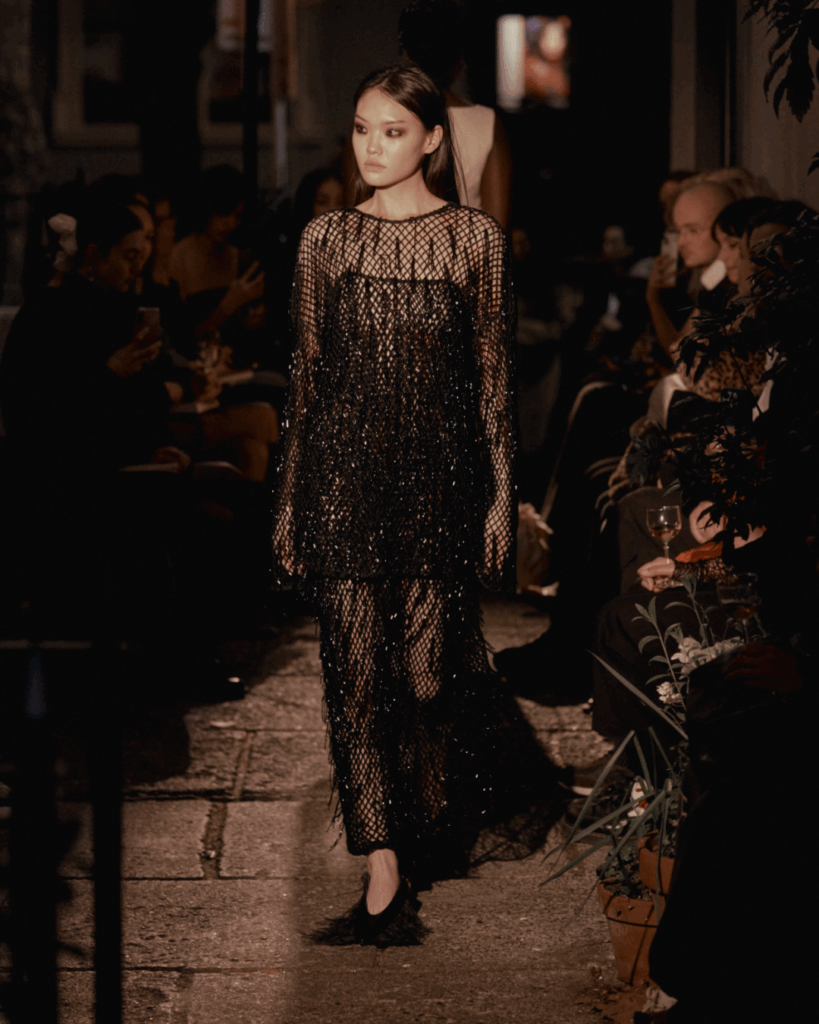
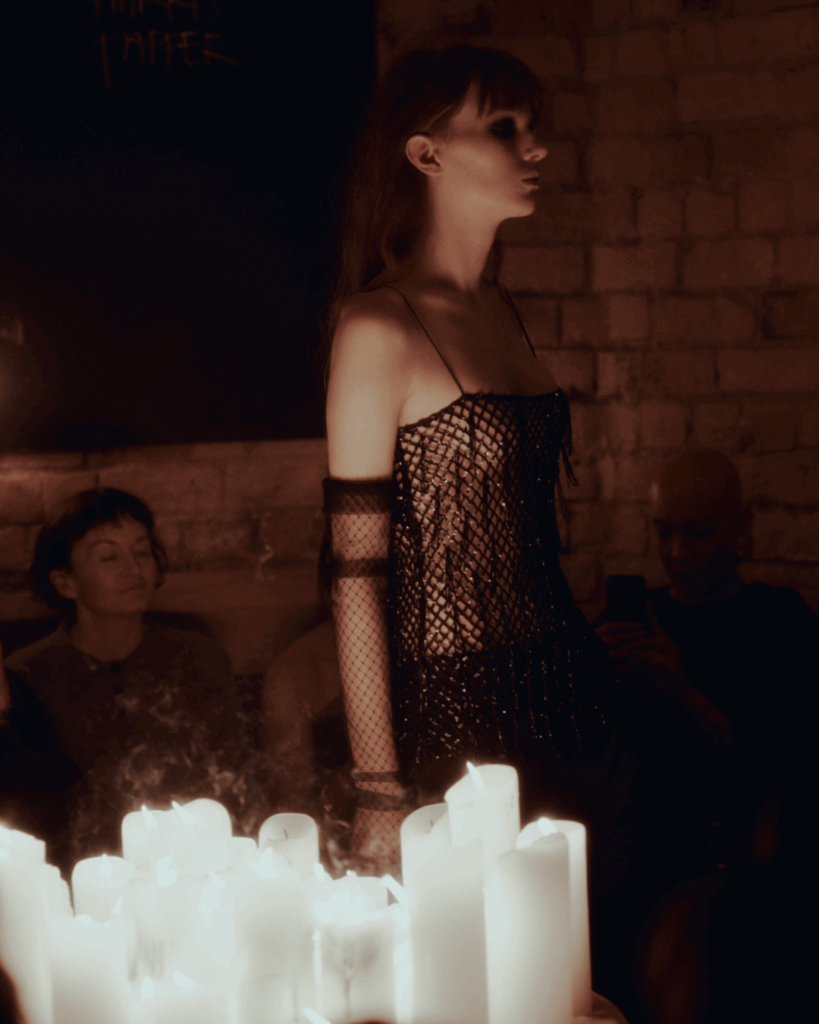
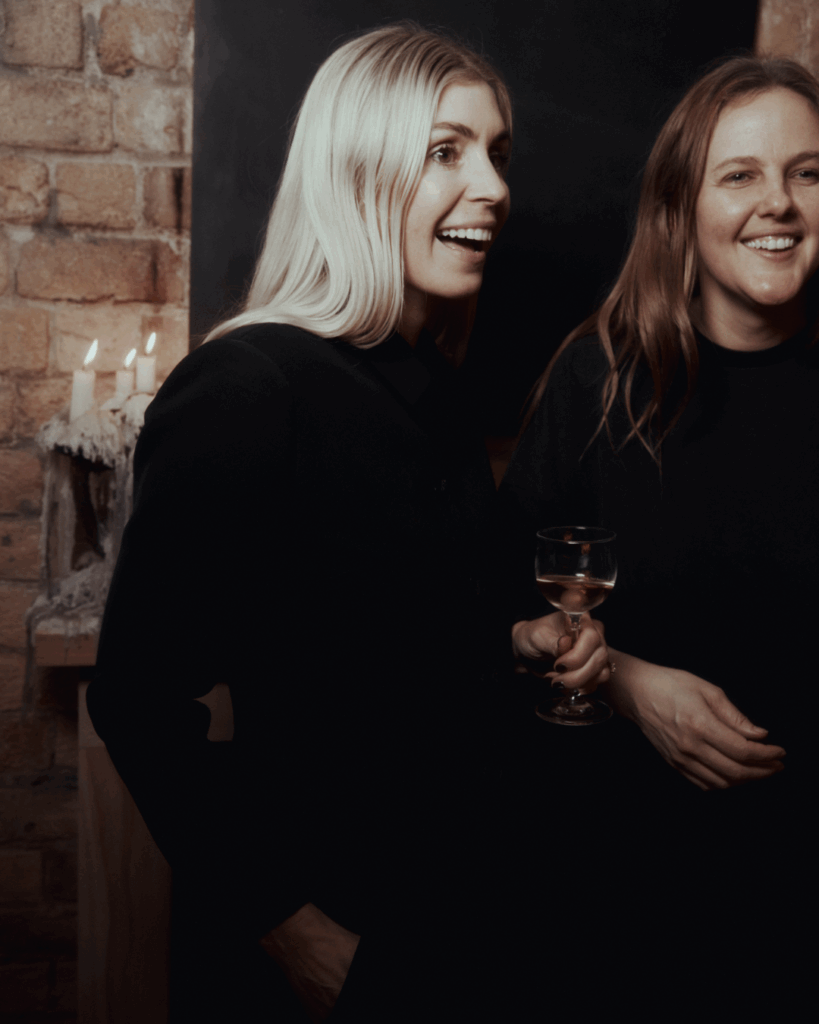
FQ: Could you tell me a little about your vision for the show itself? It was a very intimate, salon-style show at Blue in Ponsonby. The idea feels reminiscent of a classic couture presentation. What drew you to this setting as opposed to a 300 pax show at Shed 10?
SHG: The special thing about those kind of shows is that you’re so close to the models. You can basically reach out and touch the clothes. I think there’s more of a sense of connection in those settings and you can see yourself in the pieces rather than seeing them on a stage. It just felt right for our brand.
LT: We whisper more than yell.
SHG: Also, we felt we could emulate that morbid undertone of our collections better in an off site venue. Especially in a place like Blue.
LT: It’s intimate and candlelit and is where the ‘Harris Tapper woman’ would go. One of the owners, Ophelia, really feels like the woman we envisaged.
SHG: The best part of a show is presenting the brand in its purest form. It’s not just the clothes, it’s the music, the lighting, the space, the sound, the full experience. Every detail has a gravitational pull towards excellence and the language and dialogue of the brand can be felt with true potency.
FQ: The show featured a mix of current season pieces as well as some special one-off’s. I spotted a beaded version of your bestselling Tilmens blazer in the mix. Could you tell me more about these bespoke creations?
LT: The Tilmens blazer is such a classic piece that we we wear all the time and love. We just had the thought: “wouldn’t it look amazing fully beaded?”
SHG: The cool thing about doing a show is that you can create things that realistically wouldn’t make it into a typical ready to wear collection.
LT: There were four women who sat down and hand beaded it for what must’ve been hours.
SHG: It weighs 4kg!
LT: It was so special to see this idea turn into a reality. We’ve loved having the opportunity to present our pieces and our brand in this way.