A stretch of genius: Why Bio-Oil remains the gold standard
20 January 2026
By Fashion Quarterly
From scars to stretch marks, Bio-Oil continues to deliver clinically proven results for healthier, smoother skin.
Pictured: Bio-Oil Body Oil.
Many of us have had a little orange bottle of Bio-Oil Skincare Oil in our bathroom cabinet over the years, and there’s a good reason why. It’s simple, subtle, and clinically proven. It’s the oil people reach for when their skin tells a story they’d like to soften — whether that’s pregnancy stretch marks, teenage growth spurts, surgery scars, or the aftermath of blemishes.
But what exactly makes it work? Well, the oil is specifically formulated to support this natural repair process, and works by keeping skin supple, hydrated, and elastic. On top of that, it’s light, non-greasy, and absorbs quickly.
At the heart of the formula is PurCellin OilTM, which optimises absorption, while vitamin A supports skin renewal and boosts elasticity, and vitamin E protects against free radicals and helps improve skin texture. Calendula, chamomile, lavender, and rosemary oils each contribute by soothing inflammation, promoting cell regeneration, and conditioning the skin.
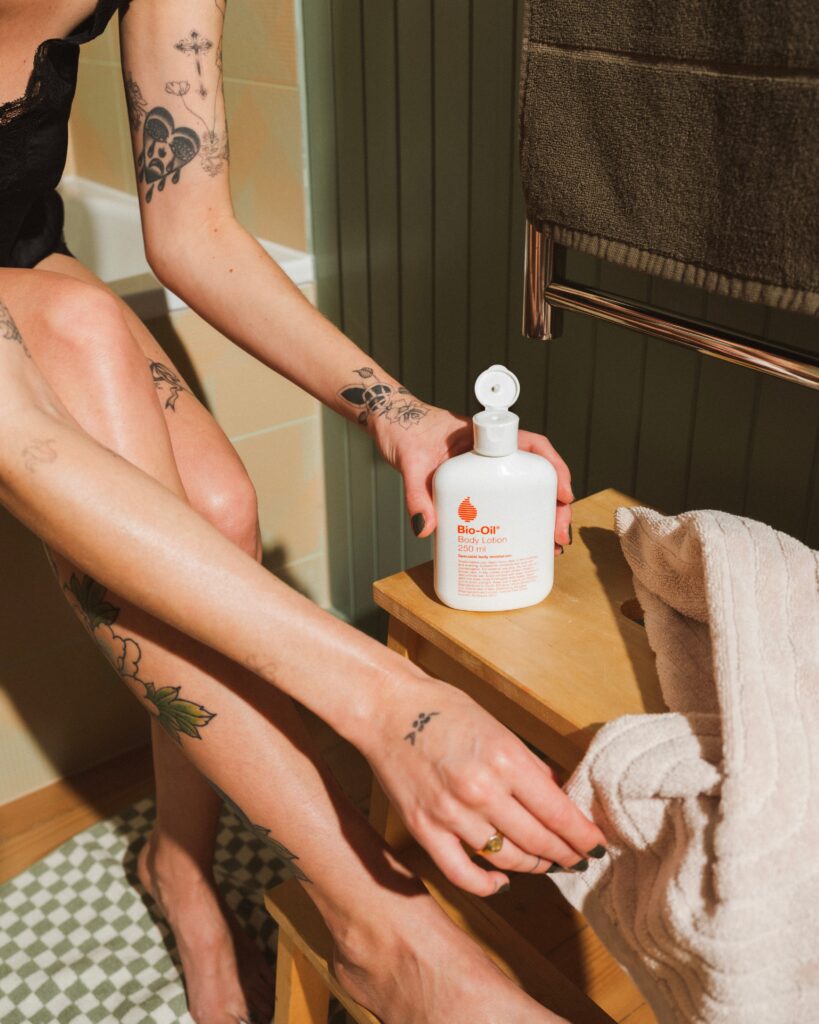
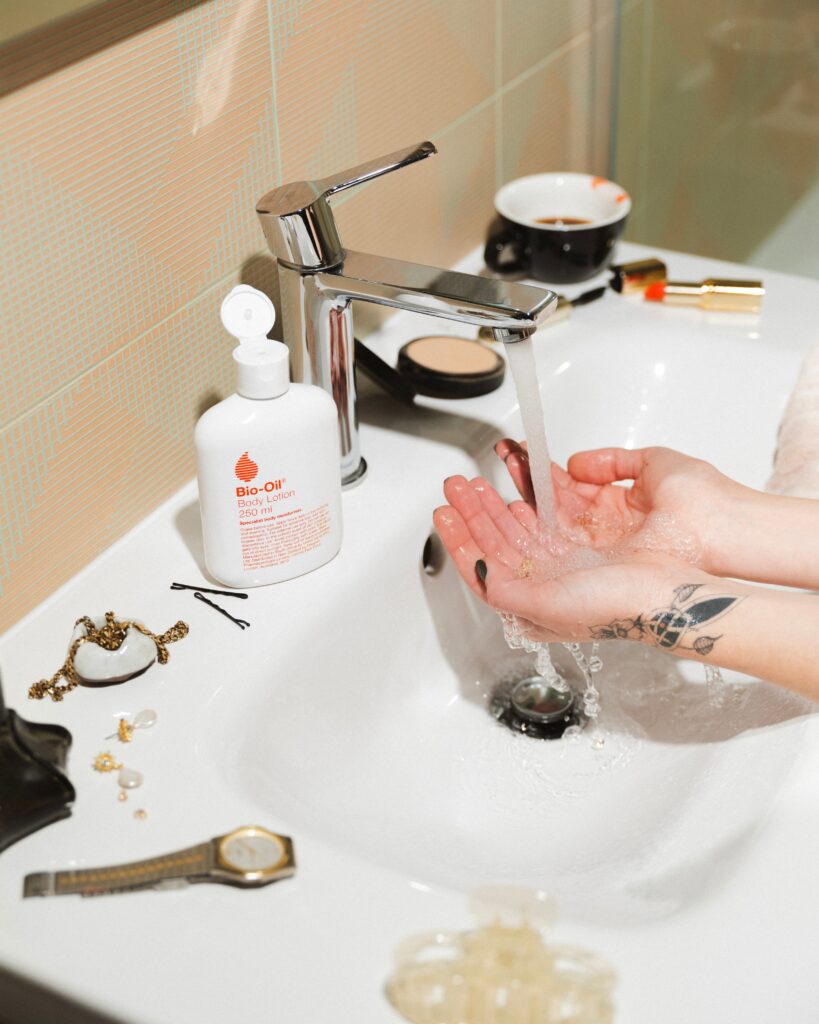
Pictured: Bio-Oil Body Lotion.
Pictured: Bio-Oil Body Lotion.
The result? Skin that feels softer, looks smoother, and with continued use shows a visible improvement in the appearance of both new and old scars and stretch marks. Contrary to what some believe, Bio-Oil isn’t just for expectant mums (though it’s a staple during pregnancy). It can work for anyone who wants to minimise the appearance of scars or stretch marks.
What makes it even more attractive is the fact it’s dermatologically tested, vegan, GMO-free, and free from parabens, preservatives, and phthalates. And unlike many high-tech skincare products, it doesn’t come with a long list of instructions — it just needs to be regularly massaged into the skin.
Whether you choose the classic formula or the 100 per cent natural version (packed with plant oils such as rosehip, jojoba, chia seed and wheatgerm), both are designed to do the same thing: support skin that’s been stretched, stressed, or scarred. The marks may stay, but improving their appearance — and keeping skin healthy — is something we can actively work on.