

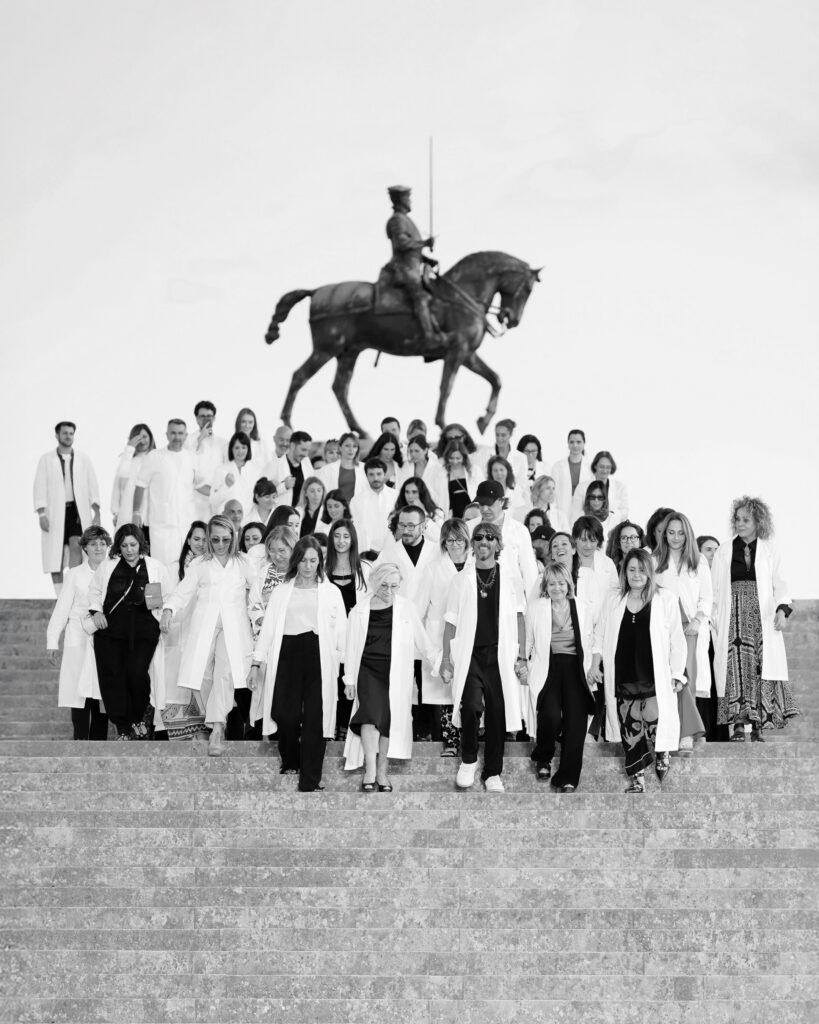
When Jonathan Anderson staged his first Haute Couture show for Dior back in January, he drew the kind of front row most creative directors could only dream of: actors, models, editors, and even former Dior creative director John Galliano, all seated shoulder to shoulder inside the Musée Rodin. Yet for all the star power in the room, it was Paulette Boncoure who emerged as the occasion’s most compelling presence.
Boncoure, who was personally invited by Anderson as a tribute to Dior’s living history, began working at Christian Dior as an atelier artisan in 1947, before going on to serve as première main (head seamstress) at the house for more than four decades. She arrived grey-haired, walking stick in hand, with a monogrammed Dior bag charmingly slung around her neck — her presence a testament to the many highly skilled artisans whose quiet work behind the scenes is responsible for crafting the garments that have shaped fashion history.
Fashion has long celebrated its creative figureheads. We instantly recognise the names of Jonathan Anderson, Christian Dior, and John Galliano; we follow creative director appointments as closely as collections themselves. Yet behind every runway show and best-selling garment sits an entire ecosystem of technical specialists whose expertise transforms an idea into something wearable. Pattern-makers, machinists, cutters, production managers, and sample makers rarely receive the same recognition, despite playing an equally critical role in bringing fashion to life.
Here in New Zealand, those roles form a significant part of an industry that employed more than 76,000 people in 2023, according to Fashion & Textiles New Zealand’s Threads of Tomorrow report.
According to designer Juliette Hogan, these highly skilled technical makers are “absolutely fundamental” to our local industry. “For me, they are the bridge between an idea and a garment becoming something real, wearable, and lasting,” she says. “The technical knowledge that machinists, pattern-makers, and sampling teams hold is incredibly specialised — and often built over decades of hands-on experience. These are the people who truly bring an idea to life.”
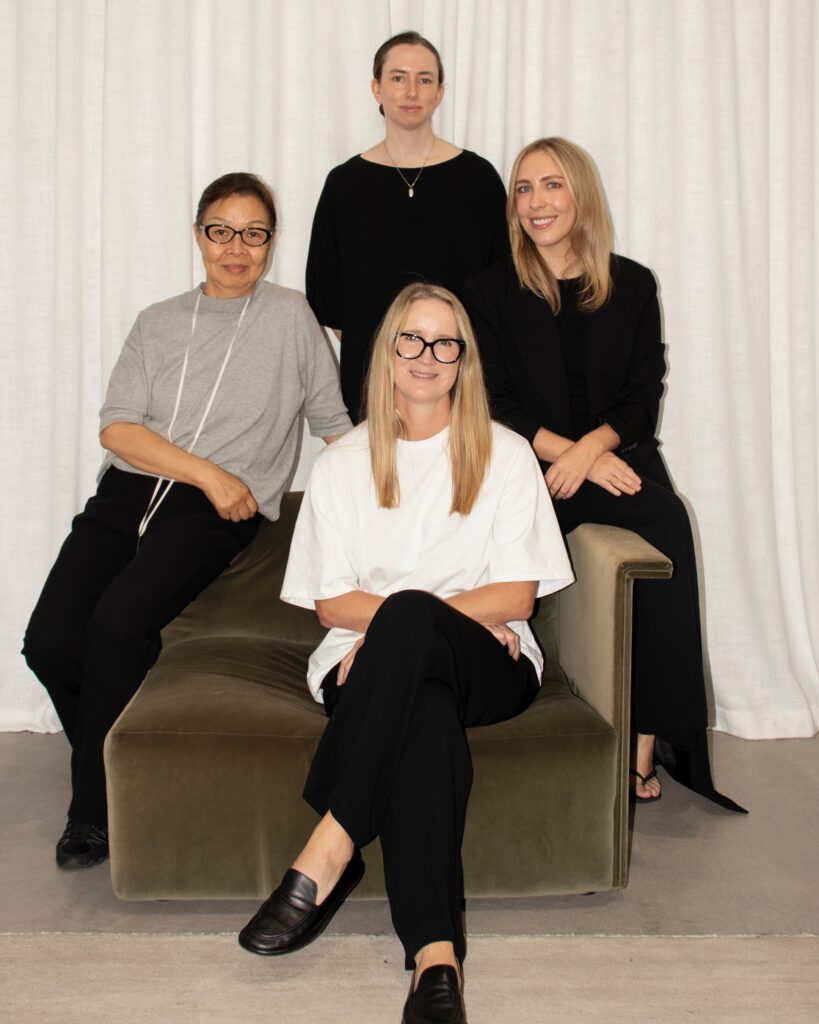
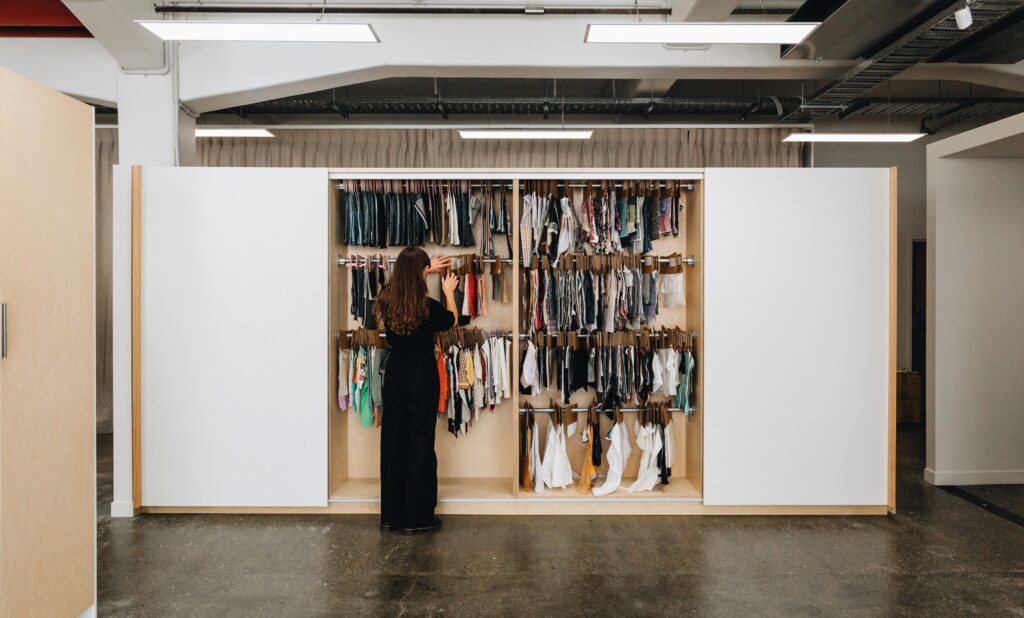
The brand’s Avondale workroom offers a glimpse into the many moving parts behind a fashion brand. From sample machinists, inventory coordinators and production managers to retail staff, graphic designers, marketing managers, and accounts staff, every role contributes to a finished garment.
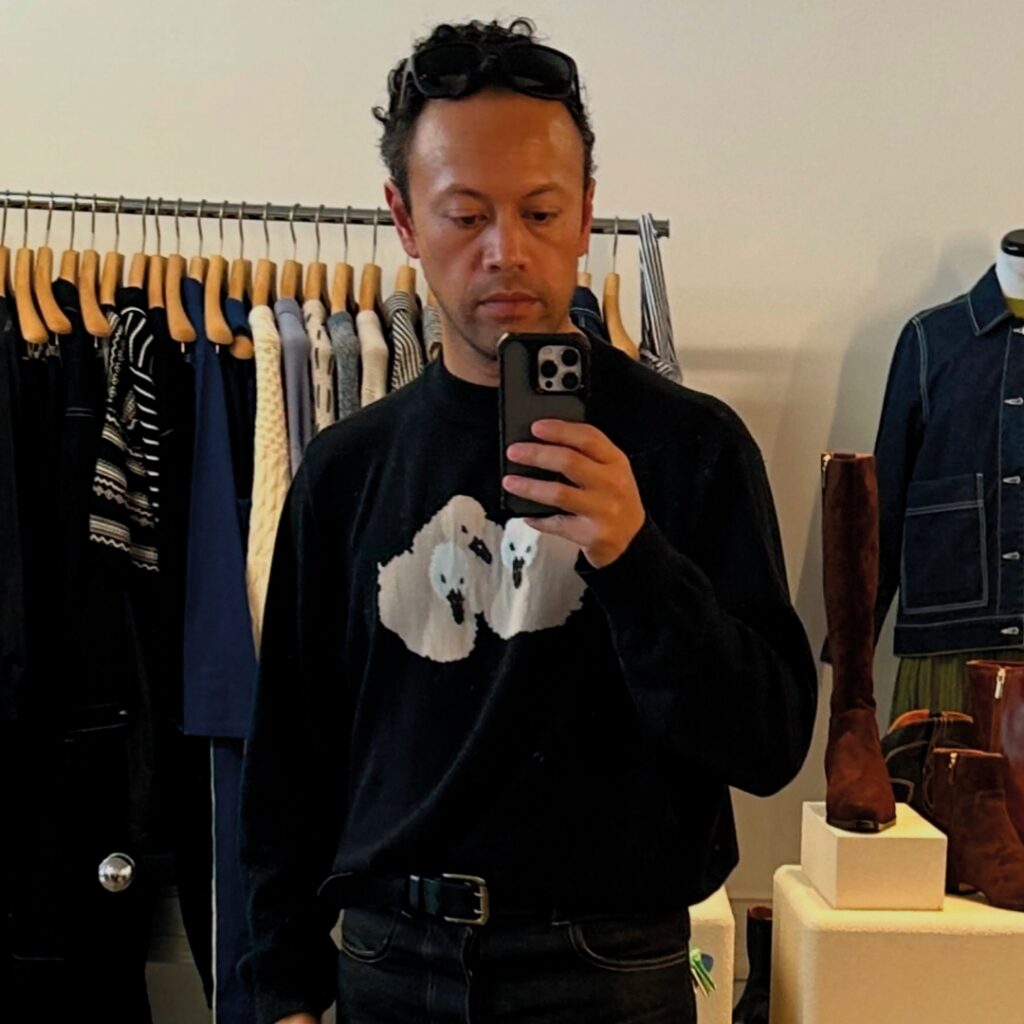
Morgan Hollis-Ward, Juliette Hogan’s sample room manager, has been with the brand for the past decade. After graduating from AUT with a degree in fashion design, Hollis-Ward began her career as a local production assistant at Karen Walker in 2013, before moving to Anne Mardell. She later joined the Juliette Hogan team as a workroom assistant, steadily working her way up through production roles to become sample room manager. Drawn to the craft of garment making from an early age, Hollis-Ward says she has always felt most at home behind the scenes, making sampling and production a natural fit.
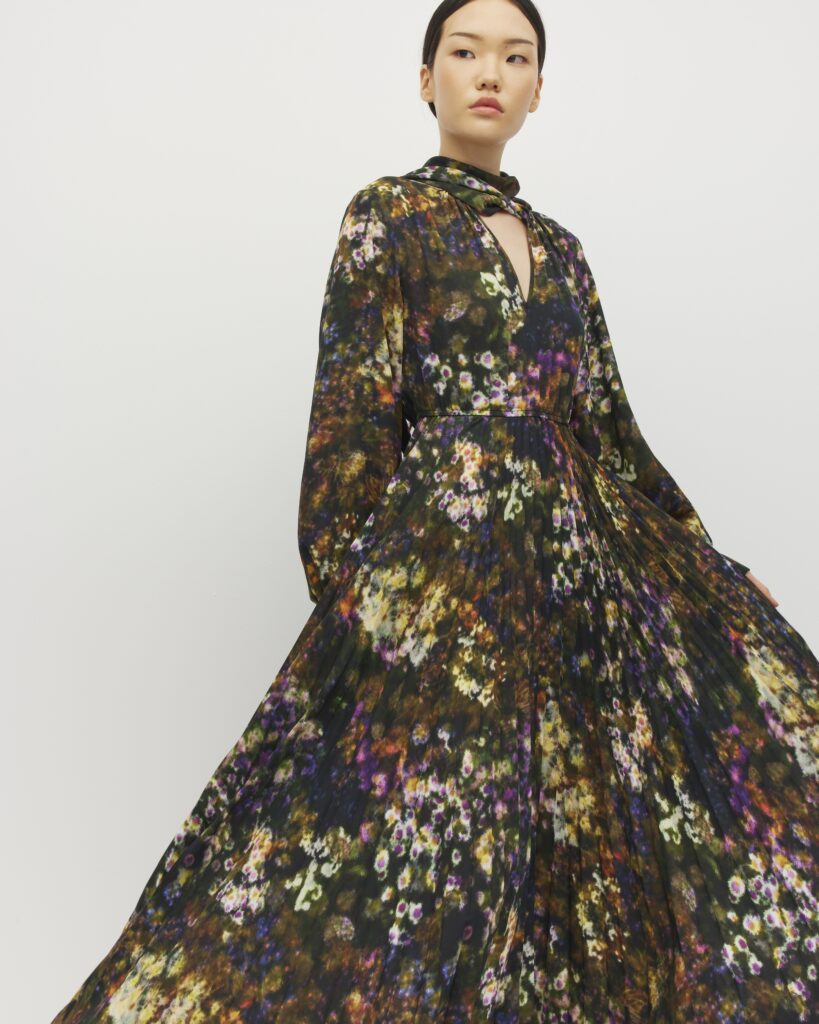
“A typical day might involve liaising with our pattern-maker, sample cutters, and sample machinists, allocating sampling work to contractors, or creating line drawings and spec sheets,” she explains. “[I could also be] checking pre-production samples, organising fit sessions, liaising with our retail team around alterations and repairs, and trying my best to act nonchalant when there are treats in the lunchroom.”
That sense of collaboration and shared knowledge is a defining part of the workroom environment. Whether it’s troubleshooting a tricky garment construction, preparing samples for an upcoming collection shoot, or simply exchanging techniques across the cutting table, the studio operates with a strong sense of teamwork and mutual respect.
“Problem-solving is a huge part of working in sampling and production,” says Hollis-Ward. “There are always new challenges, even when you think you’ve seen it all. People might not realise how many hands touch each garment, and how much time, thought, discussion, and problem-solving goes into every part of the process from design to retail.” And although the genesis of a collection may start with a single creative director or designer, the process becomes a much larger, shared project once it moves into the sampling and development phase.
“There are constant conversations throughout — around proportion, fabrication, construction, movement, and wearability,” says Hogan. “Often a piece evolves significantly through that process. A patternmaker may identify a way to improve the balance of a garment, or a machinist may suggest a construction technique that gives something a cleaner or more refined finish.”
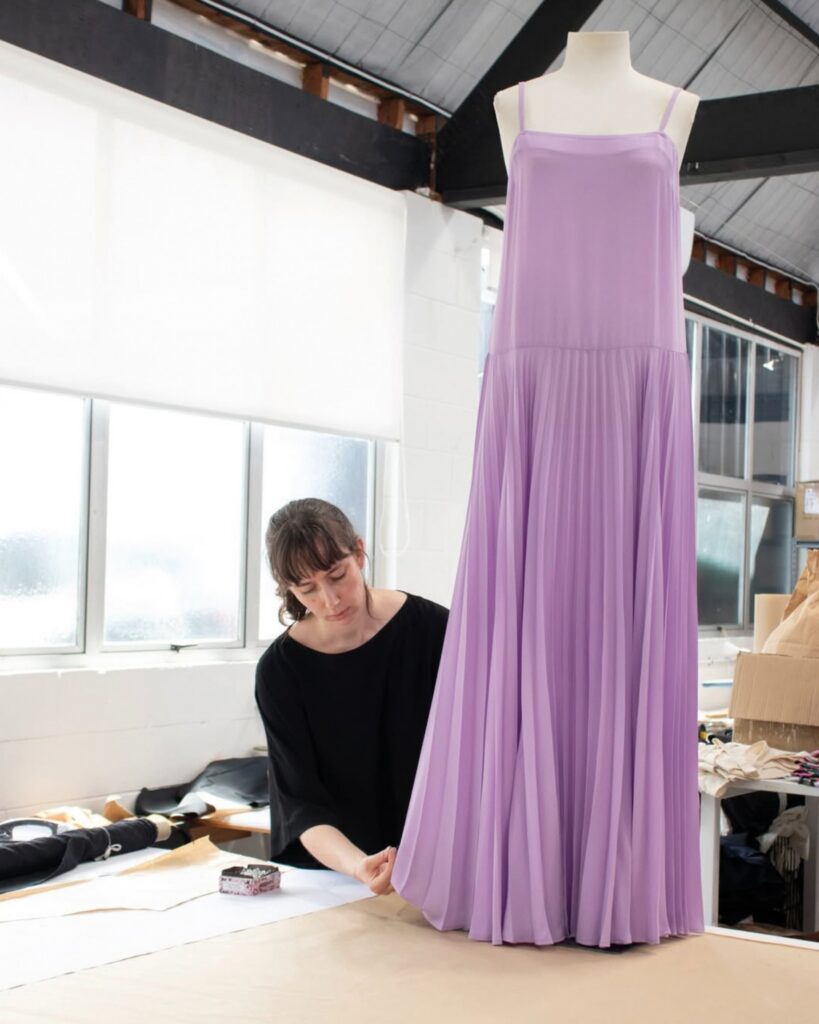
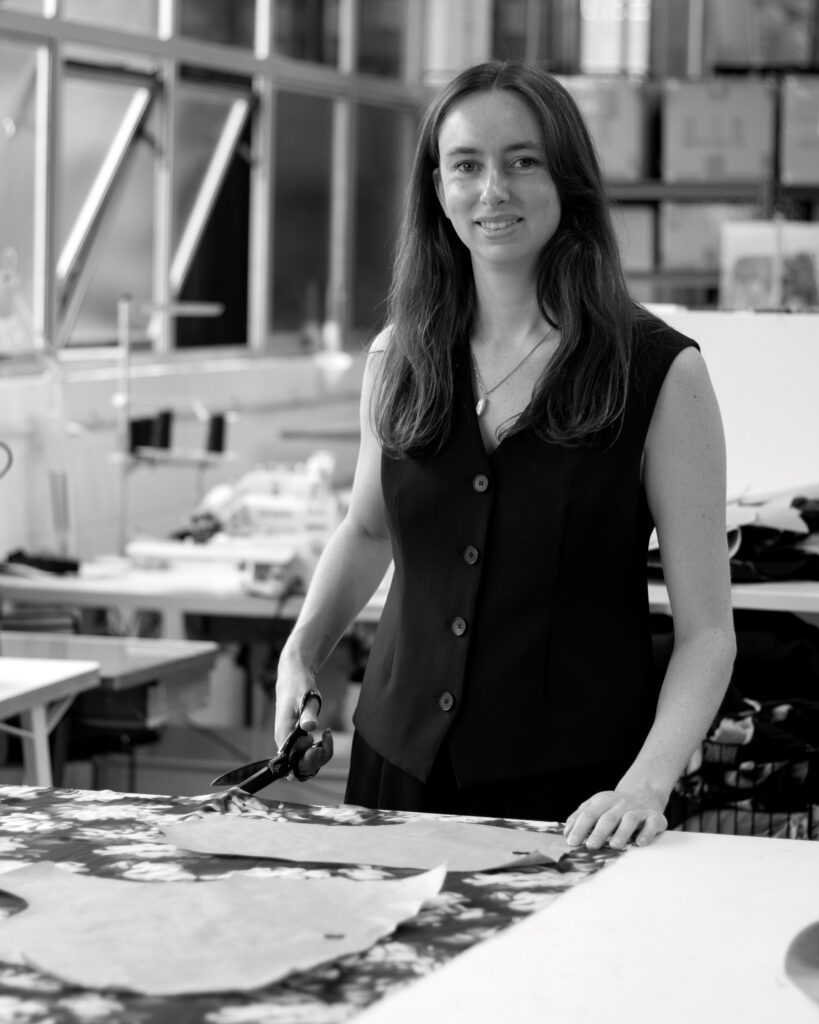
Highly skilled roles such as pattern-making and garment production aren’t mastered overnight. They are the result of decades spent refining technical knowledge, fit expertise, and problem-solving skills. With more than three decades of industry experience, Kowtow’s creative pattern-maker and fit specialist Megan Tuffery has built a career spanning independent design, pattern-making, education, and costume. After studying fashion in Wellington in the 1990s, she launched her own label, wholesaling throughout New Zealand and Australia, before spending time in Belgium working remotely on collections and with dance company Rosas. Returning home, she worked as a pattern-maker for Starfish and later tutored at Massey University, bringing a wealth of technical expertise to her role today.
“I was initially drawn to fashion through the act of making — the satisfaction of turning an idea into something tangible, useful, and beautiful,” says Tuffery. “Joining Kowtow four years ago reignited a lot for me. It felt like a place where creativity and values could genuinely exist together, and where design could be approached with more care, intention, and optimism.”
For Tuffery, the role is a constant balance of collaboration, experimentation, and refinement. The process begins with a design handover, often involving close collaboration between Kowtow’s design and technical teams, before it’s time to begin development.
“A big part of the pattern development process now happens using CLO 3D, a software programme, which allows us to test and refine ideas digitally before committing to fabric and sampling,” she explains. From there, garments move through a cycle of fittings and refinement, with every detail tested and adjusted until the piece fits correctly on the body.
“A lot of thought also goes into reducing fabric waste and refining the garment yield,” says Tuffery. “So there’s a constant balancing act between creativity, function, and responsibility.”
While much of her work happens long before a garment reaches the shop floor, Tuffery says one of the most fulfilling parts of her role is seeing the clothing she creates out in the world. “After spending so much time developing a garment, it’s really rewarding to see it become part of someone’s everyday life.”
While makers such as Hollis-Ward and Tuffery demonstrate the depth of expertise that exists within New Zealand’s fashion industry, concern is growing about the future of these careers in Aotearoa. With more manufacturing shifting offshore and many experienced machinists, pattern-makers, and cutters nearing retirement, the question becomes not only how to retain these skills, but who will inherit them. “It’s a significant issue,” says Jacinta FitzGerald, CEO of Fashion & Textiles New Zealand (FTNZ). “We still have pockets of excellent manufacturers, technical specialists, and makers in New Zealand, but what’s remaining is fragmented and becoming harder for brands to access. The ageing workforce, combined with limited pathways for new people to enter these roles, is a real challenge.”
Hogan seconds this. “These skills sit at the core of local manufacturing and quality garment production,” she says. “Without that technical capability, it becomes much harder to sustain a truly local industry.” But work is already underway to strengthen the pipeline of future makers. FTNZ has been working alongside tertiary providers, government agencies, and industry partners to develop qualifications and training opportunities that better support technical careers.

However, FitzGerald notes that education is only one piece of the puzzle. Greater awareness, clearer career pathways, and stronger industry participation are also needed to help young people see these technical roles as viable long-term careers. “Technical roles are sometimes seen as less desirable than design roles, when in reality they are highly skilled, practical, creative roles that are essential to the industry,” she explains.
Michelle Wetherell, Head of School for Fashion and Sustainability at tertiary institution Whitecliffe, says many students enter fashion education unaware of the industry’s technical career pathways, and have aspirations of becoming designers or creative directors. “What’s encouraging, though, is that as students progress… they begin to discover these different pathways and develop an interest in them,” she says. “At Whitecliffe, we see a strong group of students who are really drawn to pattern cutting and garment construction particularly within our Certificate in Apparel + Fashion Technology programme, which focuses heavily on pattern-making, sewing, and construction skills.”
For Hogan, ensuring the future of New Zealand fashion is ultimately about ensuring the future of its makers. “… it’s incredibly important that we protect, invest in, and pass that knowledge on,” she says.
If there is a common thread running through the careers of Tuffery and Hollis-Ward, it is the value of learning by doing. Their stories are a reminder that some of fashion’s most important work happens out of sight. Although their names may not appear on a swing tag, the garments we know and love would not exist without the skill, patience, and expertise of the makers behind them.
This article originally featured in the Winter ’26 issue of Fashion Quarterly.
Imagery: Supplied.
Words: Natalia Didovich.