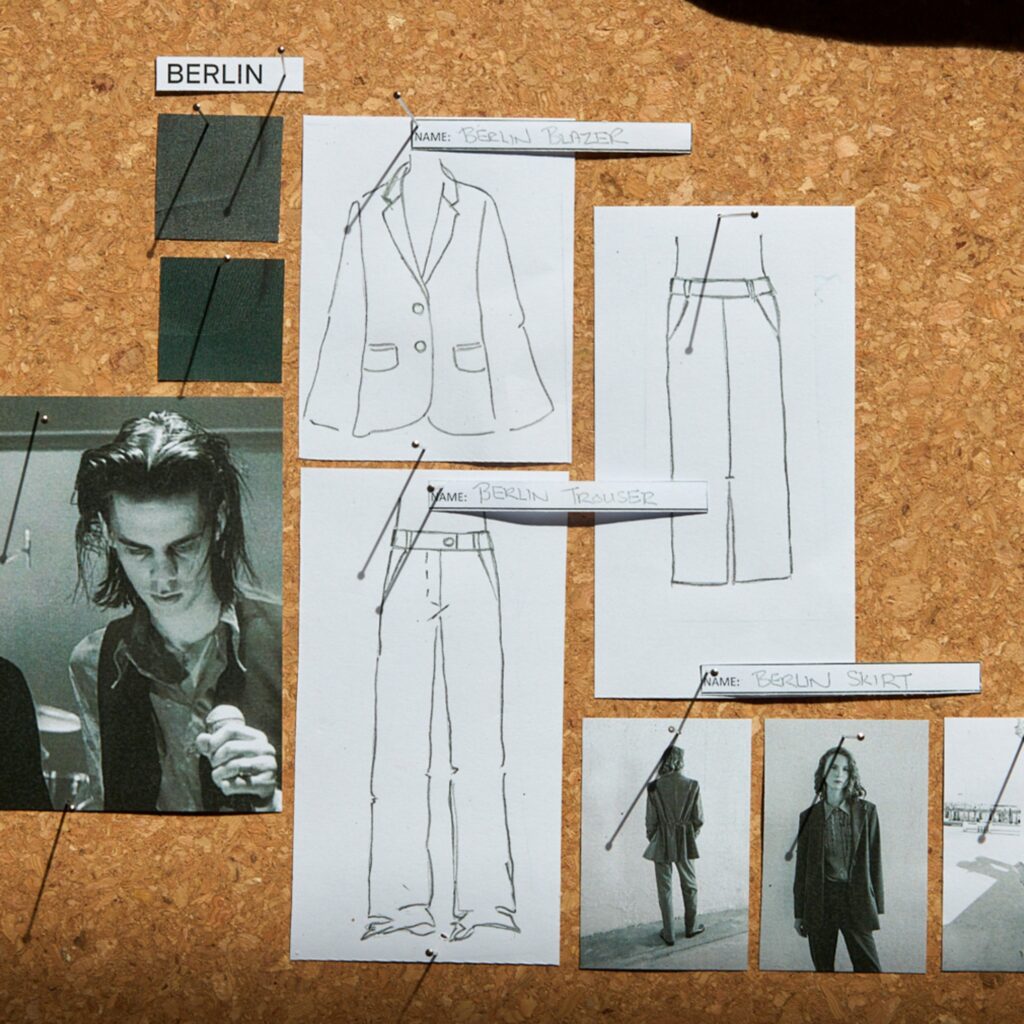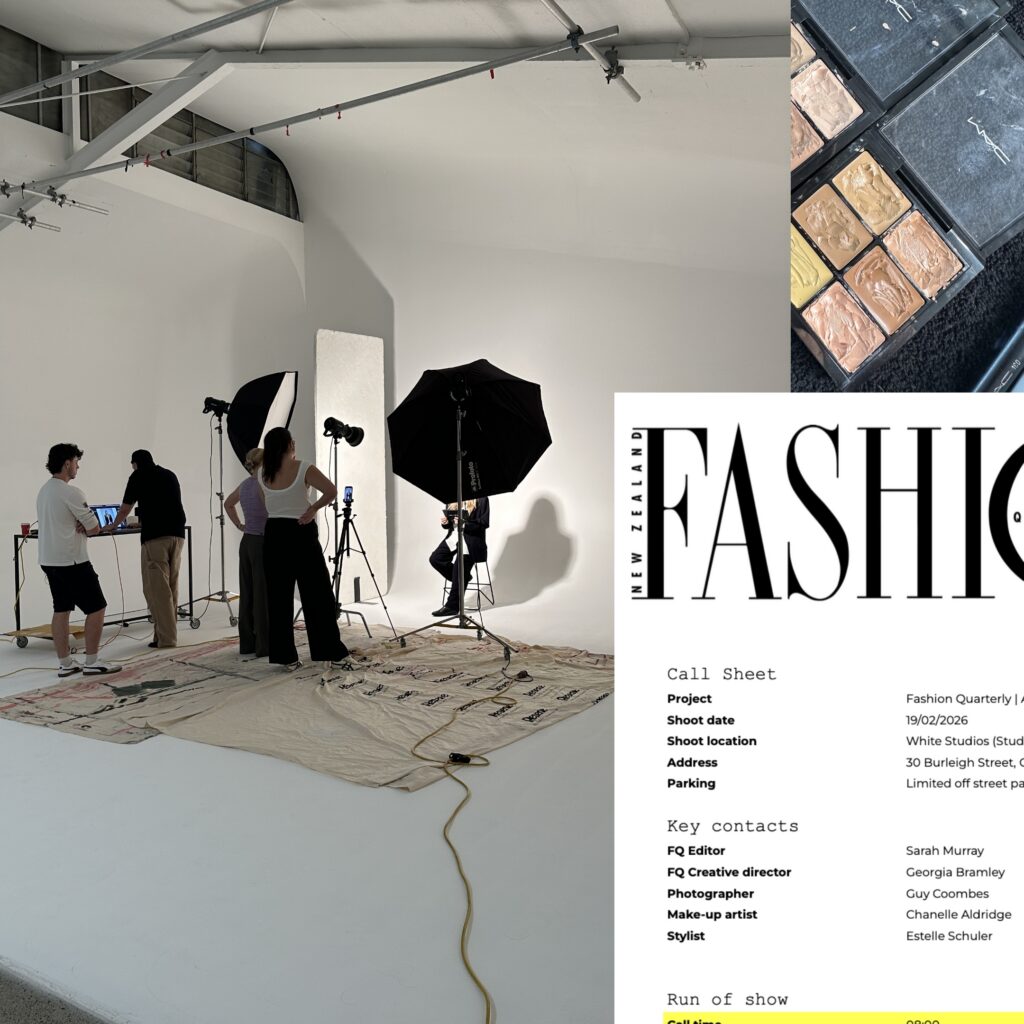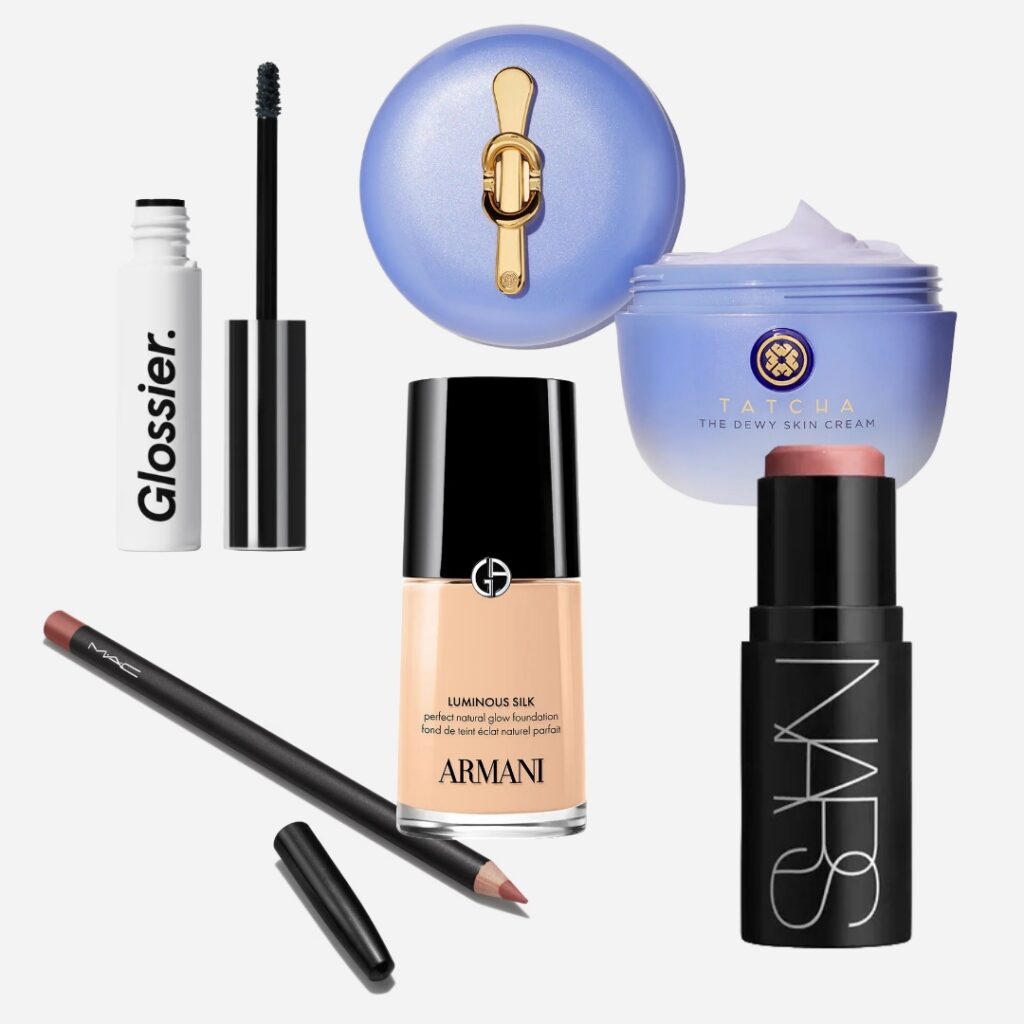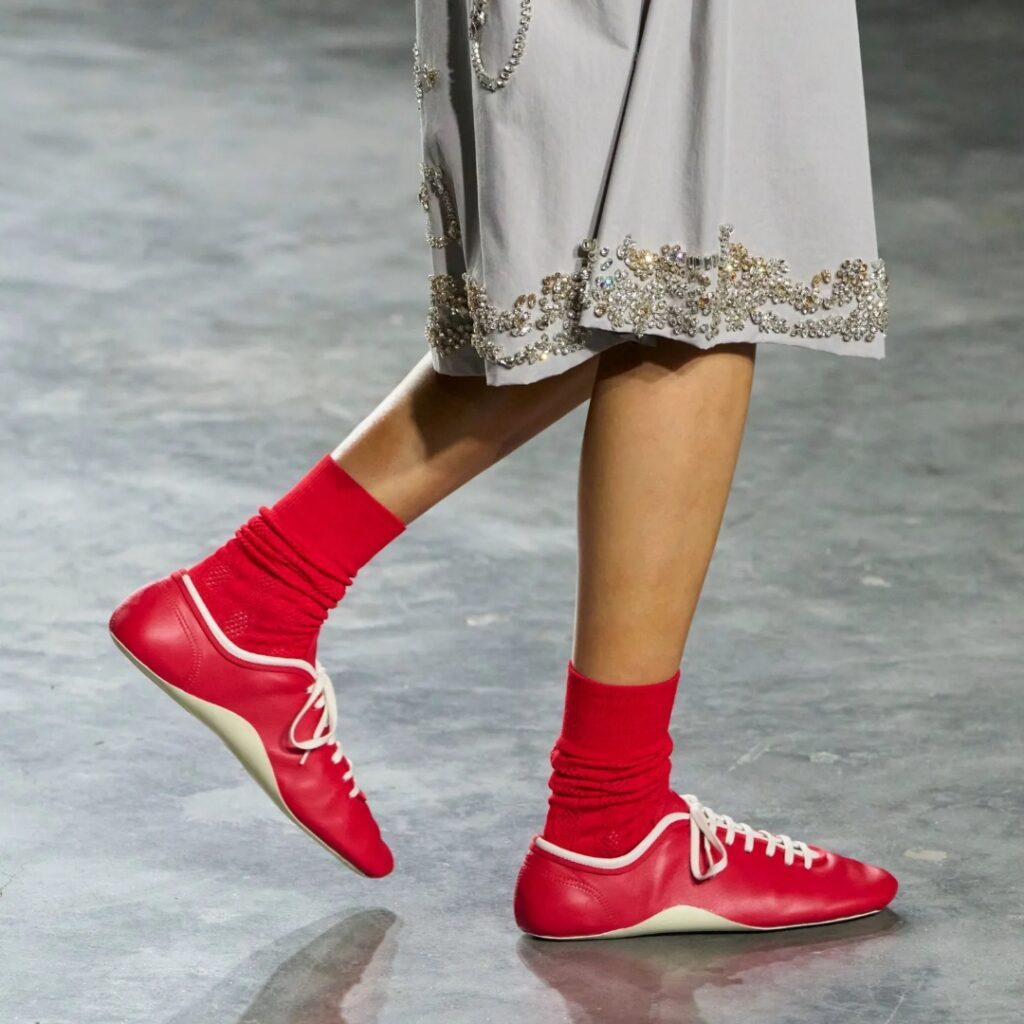


The likelihood is that you’ve already come across Courtney Joe‘s work. Those memorable campaigns you’ve saved, the imagery that stays with you, the shoots that just sit right — she’s often behind them. Her days tend to blur together in the way most freelance styling careers do: on set early, last-minute fittings, racks pulled apart and rebuilt, decisions made quickly because they have to be. It’s a job that lives in movement, and so does she.
Joe studied fashion and journalism in Wellington, started out assisting, worked in-house, and eventually stepped into her own lane. It didn’t happen overnight — it was something shaped over time through experience, repetition, and, inevitably, Joe’s eye. Away from set, it’s the same logic. Clothes that work hard, things she actually reaches for, pieces that don’t need thinking about — a wardrobe that keeps pace with everything else.
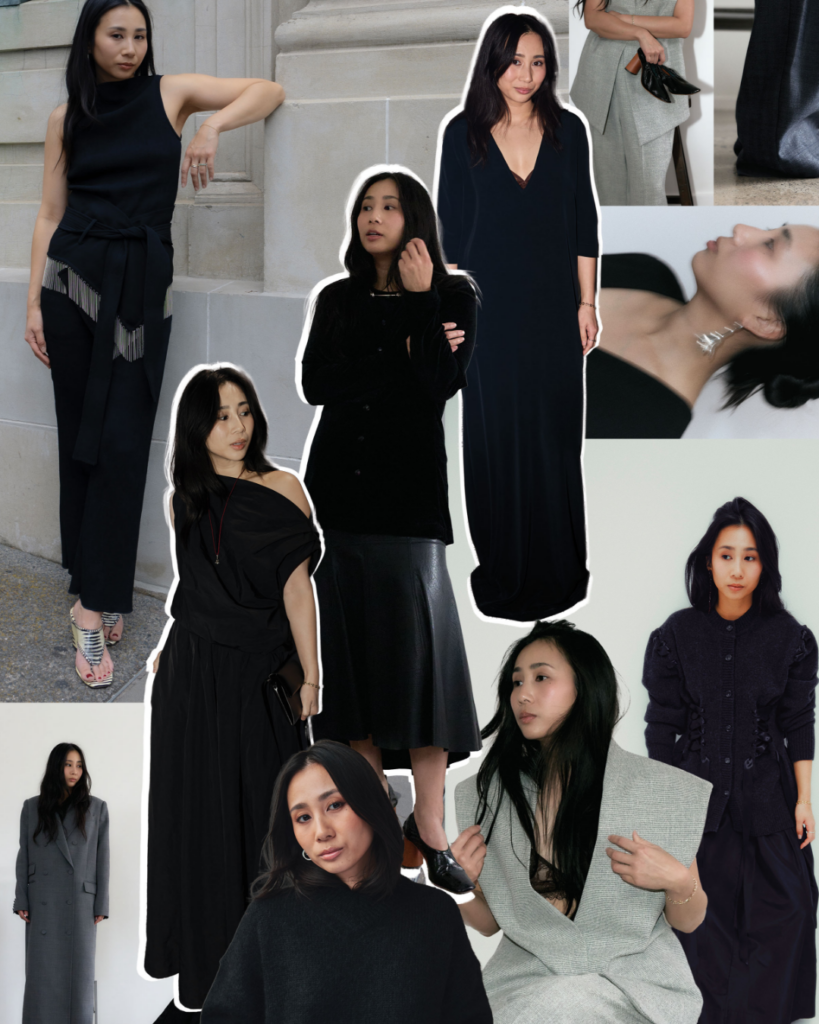
Courtney Joe: My style is very simple and understated — clean lines, fuss-free for the everyday with a focus on interesting shapes, texture, and a hint of embellishment when the occasion calls for it. It has in many ways evolved, but also not — you will 99 per cent of the time find me in jeans and a T-shirt, which has been the case for as long as I can remember. It’s an easy and classic uniform for when I’m on the go.
Over the years my silhouettes have certainly become more refined, and in favour of more streamlined, tailored shapes. When I’m shopping, it always comes back to cut and composition. A great cut and a high percentage of good quality, natural fibres needn’t be expensive — so a care label is always my first port of call after eyeing a potential purchase on the shop floor.
My wardrobe is built around a few essentials: a well-cut white T-shirt that sits just above the hip, a classic crew or V-neck cashmere sweater, a beautifully tailored mid-weight coat with a strong shoulder, straight leg mid-rise denim jeans, and a pair of tidy flats that can withstand the day.
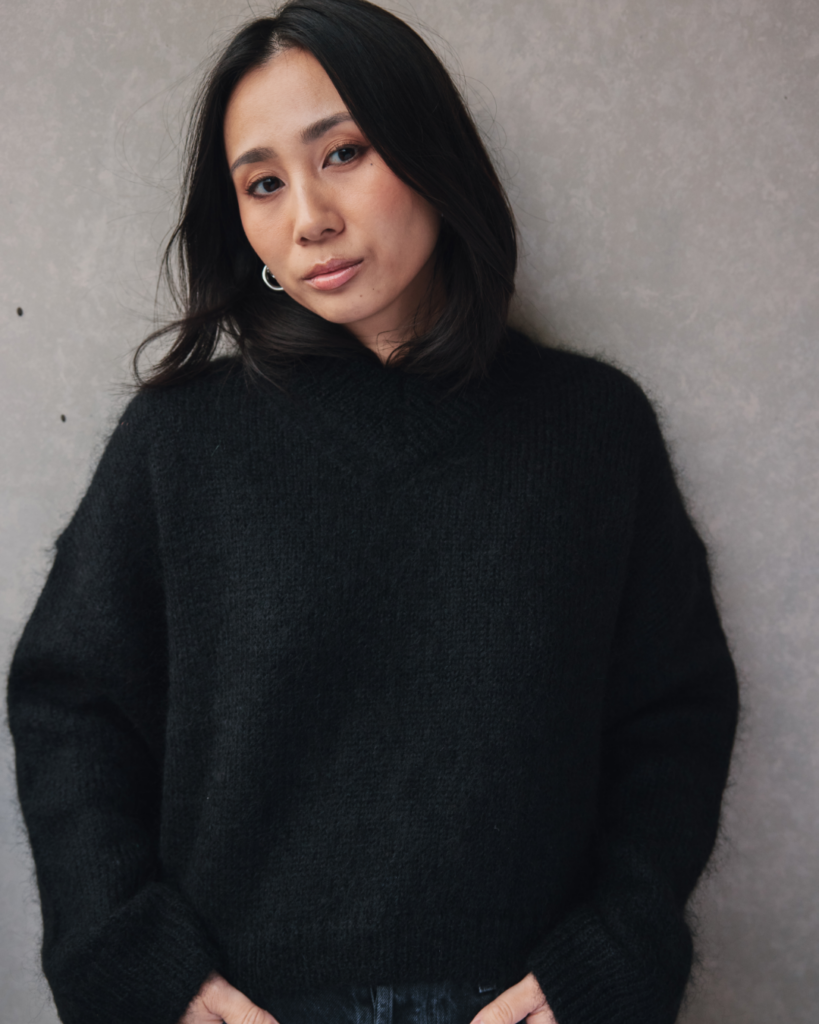
I wear a lot of denim. Citizens of Humanity do the best cuts for a petite frame (Fabric and Simon James have a great selection of styles). They are an investment, but worth every cent. Olivia Cashmore does excellent basics, they have some perfectly tailored suiting. I love Camilla and Marc, especially its sharp collared cotton shirting — the structure in these really last the test of time. When I’m on-set, I’m usually in a Rachel Mills bodysuit or a Pave top (both merino), paired with a hard-working trouser from Paris Georgia’s Elemental range.
My fashion trademark? I’m never without a classic black frame — Saint Laurent sunglasses are my all-time favourites. My black envelope Jil Sander crossbody. A sleek stack of mismatched earrings, always.
I like to keep my jewellery simple. Apart from the odd statement necklace, I reach for jewellery that I can sleep, work, and play in — pieces I should never have to take off. I love a fine stacker band, and one of my favourite rings is my Por-Por’s jade wedding band, which fits perfectly with my favourite silver and gold bands. She gave it to me not long before she passed away, and I will treasure it forever.
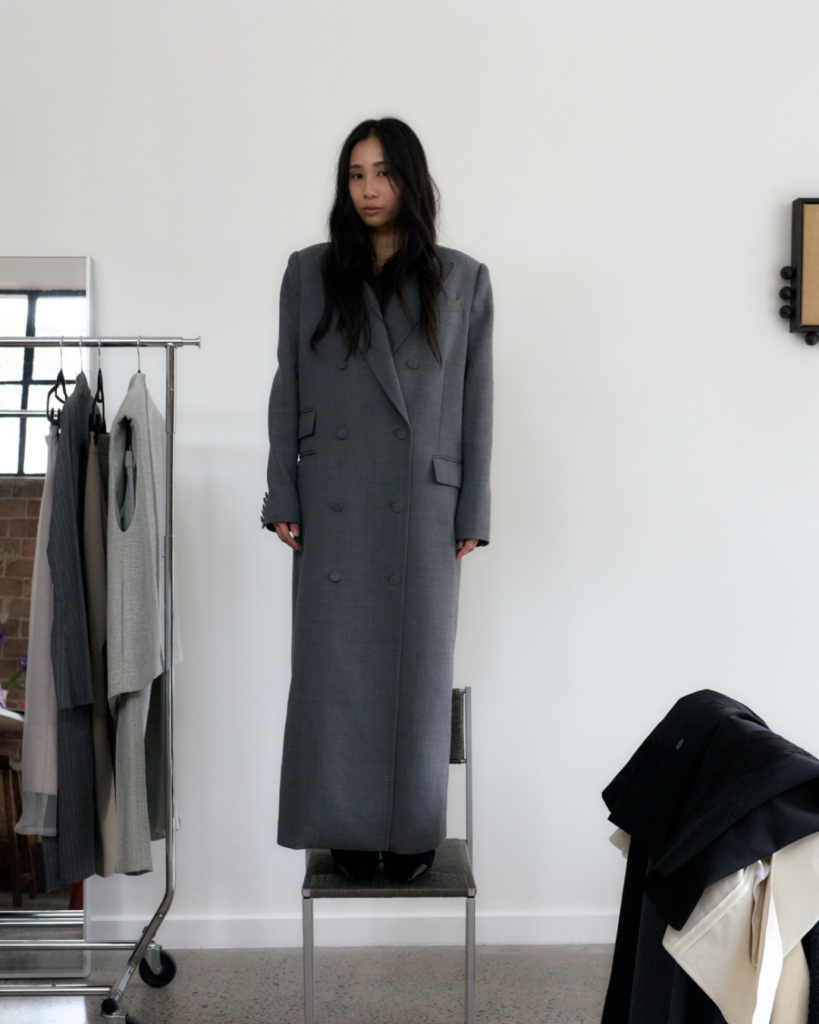
I used to be really sentimental about clothing but moving constantly and travelling often has helped me become more of a minimalist, so I try to keep a concisely curated wardrobe at all times, cull often, and try not to get too precious about things. That said, I do have a few local and international archival pieces I can’t seem to part with — a crosshatched Prada skirt from spring 1996, Karen Walker bluebell flares from spring/summer 2015, a Dries Van Noten silk crêpe de chine top from spring 2015, and a small but strong collection of Georgia Alice blazers and jackets.
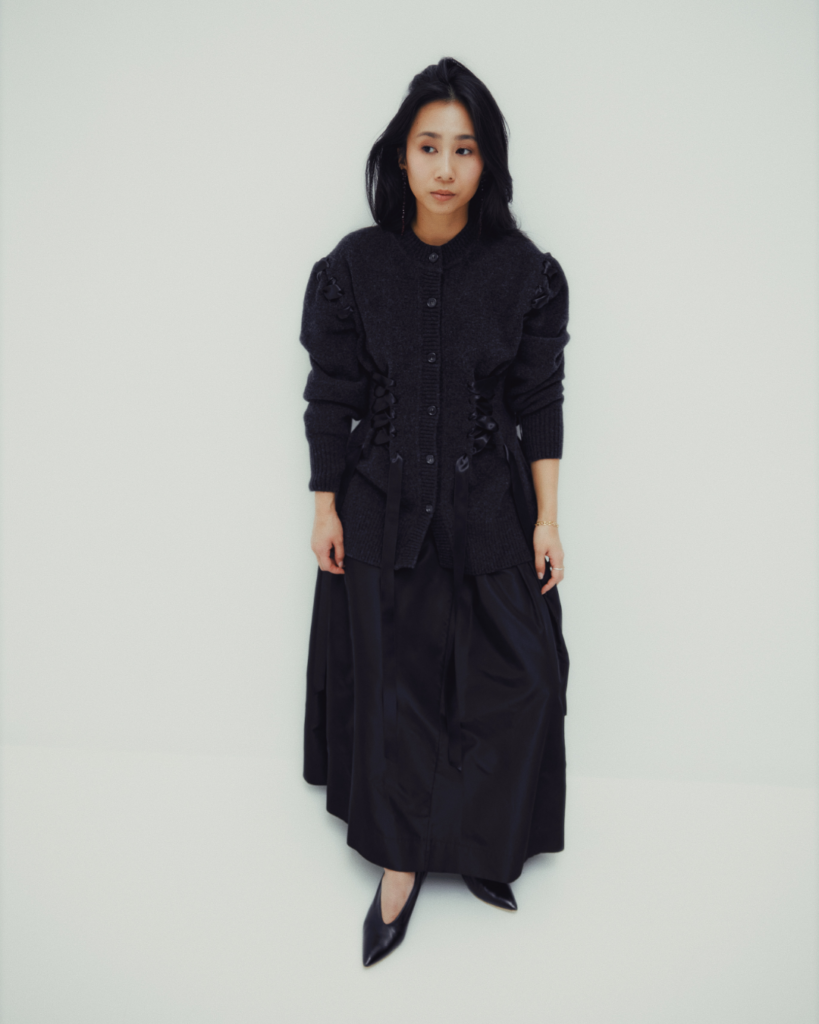
There is a lot of black in my wardrobe. I was a child of the early ’90s which meant velvet, biker boots, and leggings, so I was dressed in black from a young age. I once asked why, and was told I just suited it. I went on to study fashion and journalism in Wellington in the era of Man Repeller and Phoebe Philo’s Céline, both of which still echo through my taste — from minimal silhouettes to texture and proportion.
I look at fashion less and less as I’ve gotten older, and I think that’s been good for my work. Inspiration comes from the everyday — how friends wear things, what I notice on the street, what people wear in transit. Travel also plays a part, watching how lifestyle shapes what people put on in different cities.
This article originally appeared in the Winter 2026 issue of Fashion Quarterly.
As told to: Sophie de Renzy.
Imagery: Supplied.