

This week, Te Wiki Āhua o Aotearoa returns for its Autumn/Winter 2026 season, once again championing Aotearoa’s boldest emerging designers through an unfiltered, underground fashion experience. Running from March 20–28, this year’s theme, Craftsmanship, places a deliberate focus on the mahi, dedication and process behind each collection, shining a light on the hands, techniques and stories that shape the final garment.
As designers step outside traditional industry structures to reclaim space on their own terms, the result is a programme that feels raw, directional and entirely of the moment. Expect experimentation, boundary-pushing silhouettes and a renewed emphasis on storytelling through craft.
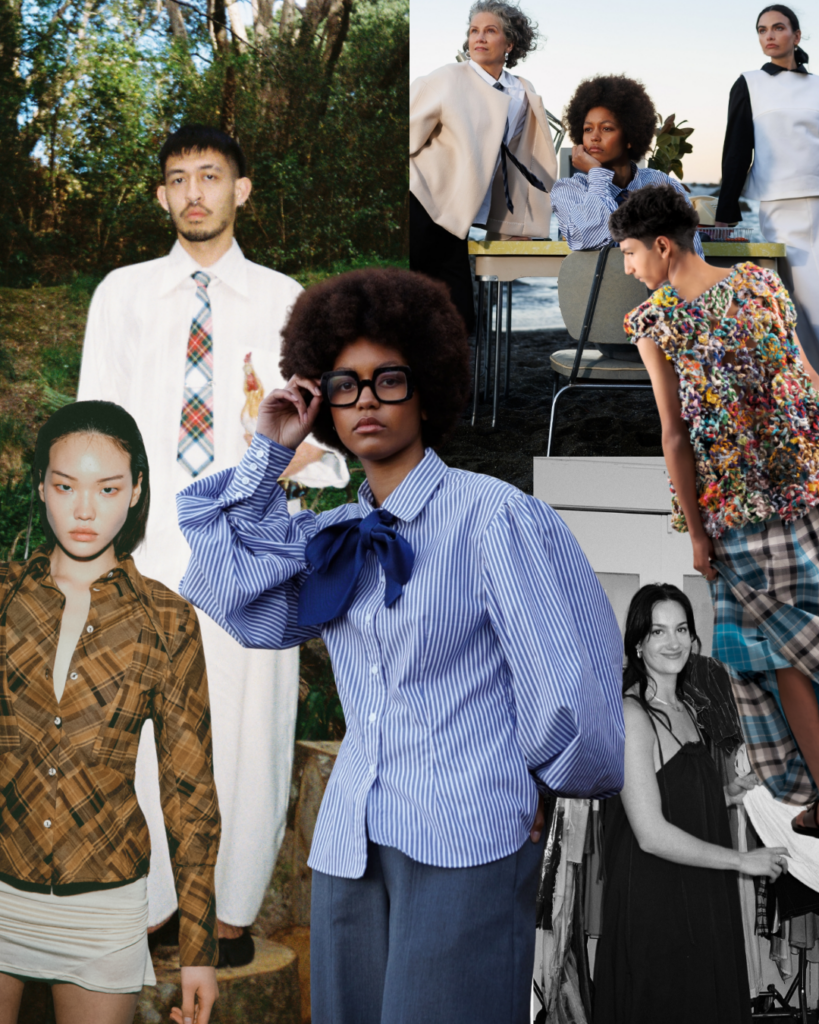
Ahead of the week’s shows, we’re turning our focus to the next wave of talent by profiling six emerging designers to have firmly on your radar. From those pushing the boundaries of form and fabrication to others redefining what contemporary New Zealand fashion looks and feels like, these are the names generating quiet momentum behind the scenes and set to step into the spotlight.
Dafna Nimkovsky
Describe your brand in one sentence:
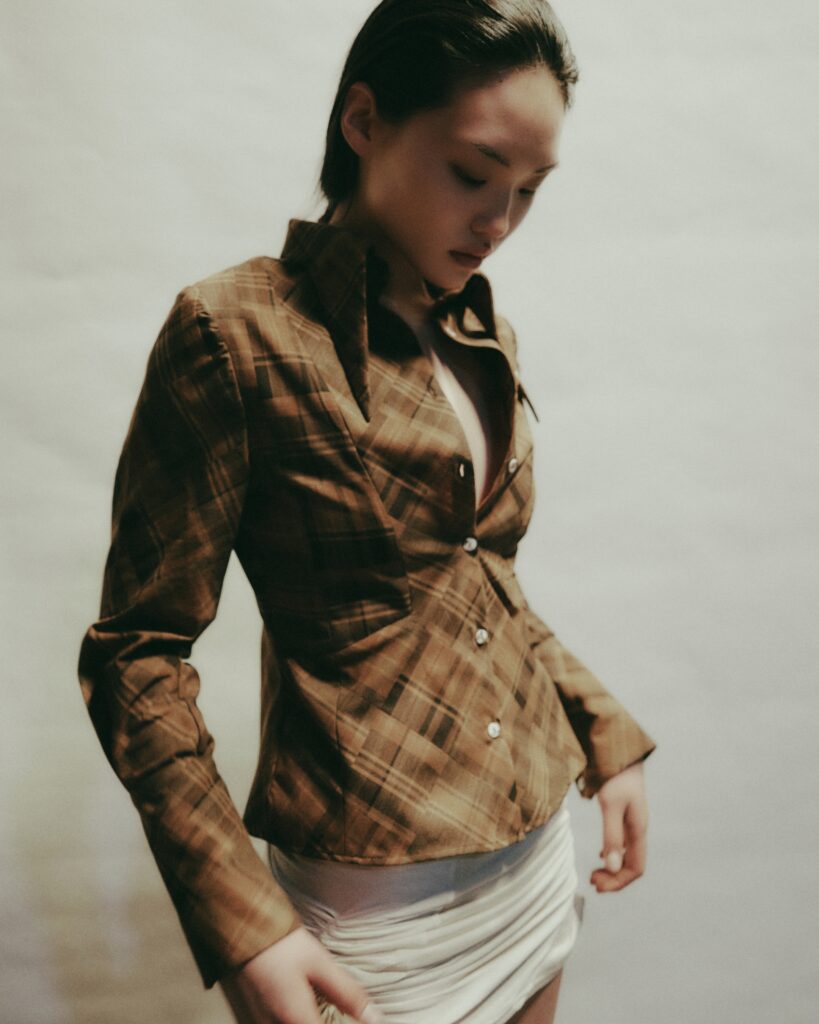
Sensual womenswear designed to inspire bravado in the wearer
What inspired your latest collection, and were there any particular materials, techniques or references that helped bring it to life?
It’s a really special collection where I explored more draped silhouettes to celebrate the body, and played with pleating to mimic the natural texture of nature; with the whole collection influenced by the poem Burning Oak, November by Joyce Carol Oates.
Without giving too much away, what can we expect to see at your show?
Playful and sensual drape as always, and fun fabrics. It’s a combination of tactile textiles I already had into a storytelling collection.
Laurence Sabrine
Describe your brand in one sentence:
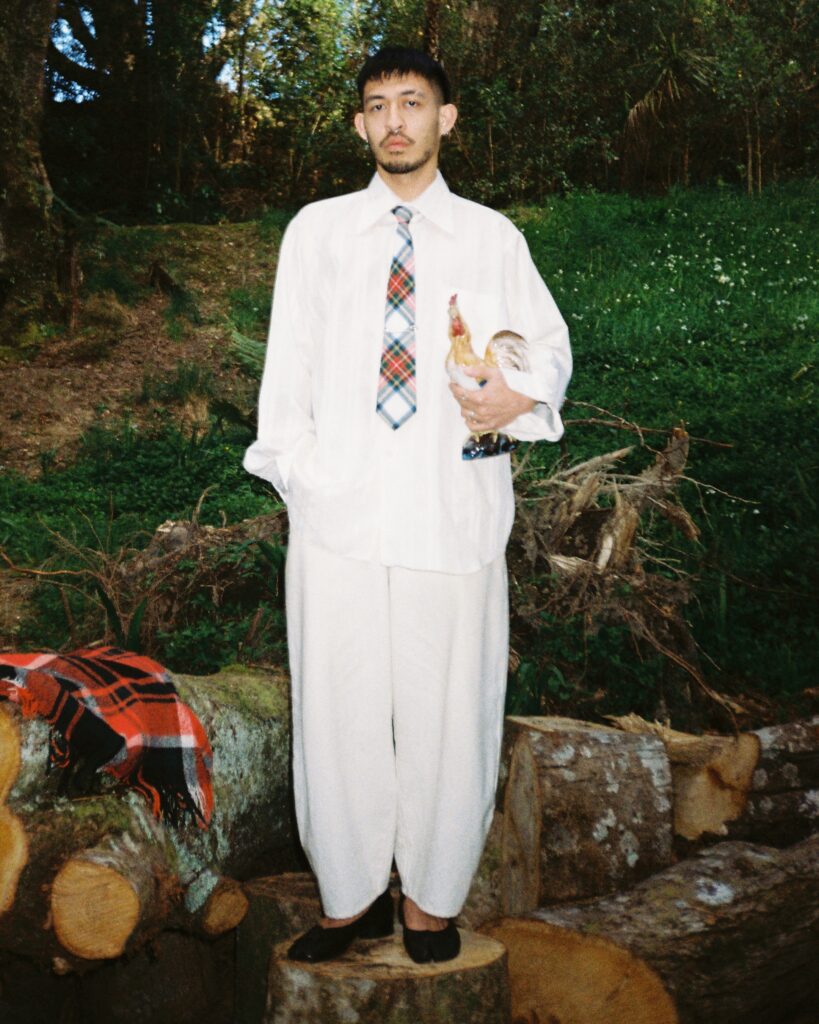
Laurence Sabrine is rooted in the fragments of my personal history as a queer Filipino in Aotearoa, carefully pieced together to tell an intricate story.
What inspired your latest collection, and were there any particular materials, techniques or references that helped bring it to life?
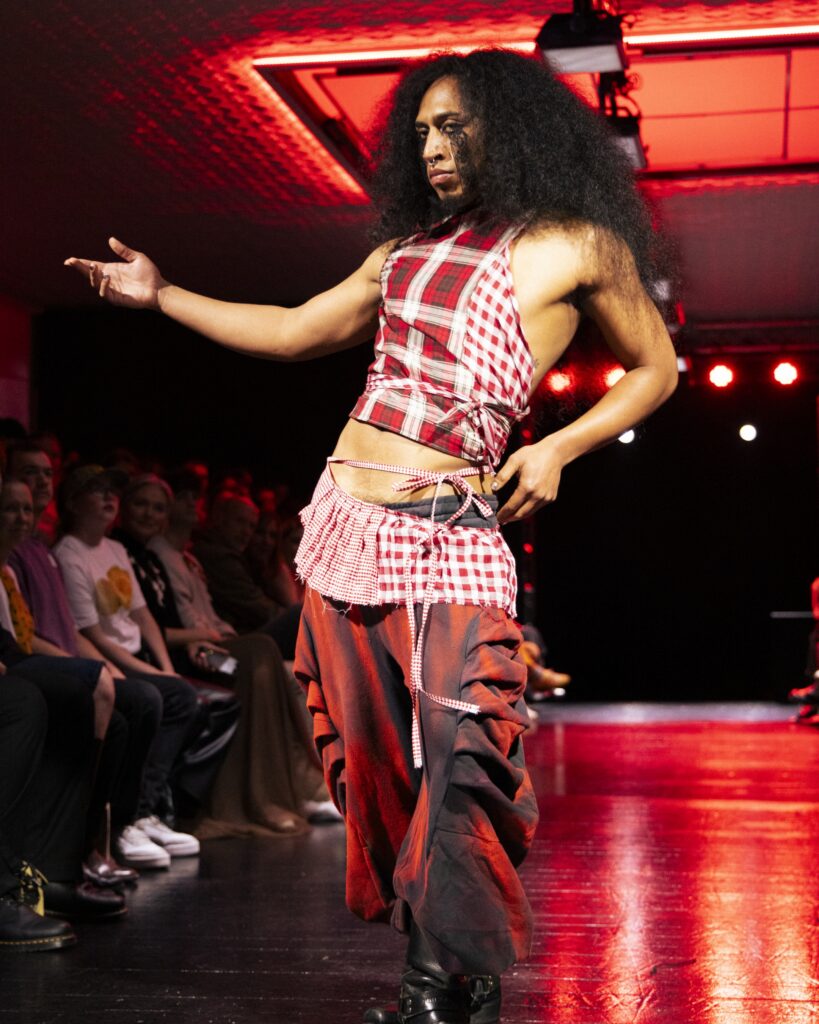
I always start by looking at photographs & illustrations of daily life in 19th century Philippines. I was inspired by the garments that people wear out of necessity; the wrapping & draping on the body, the clashing patterns and the vibrant colours.
Without giving too much away, what can we expect to see at your show?
Definitely some draping & some plaids but you’ll have to go to the show to see the rest!
Winnie Catherine
Describe your brand in one sentence:
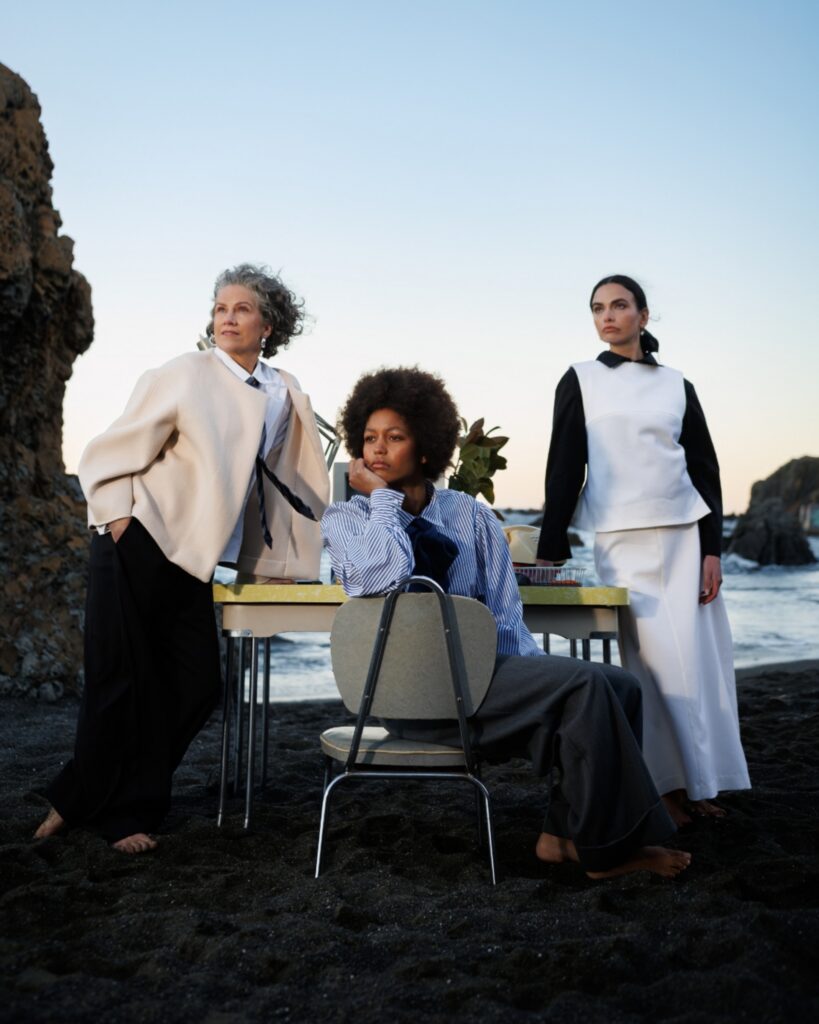
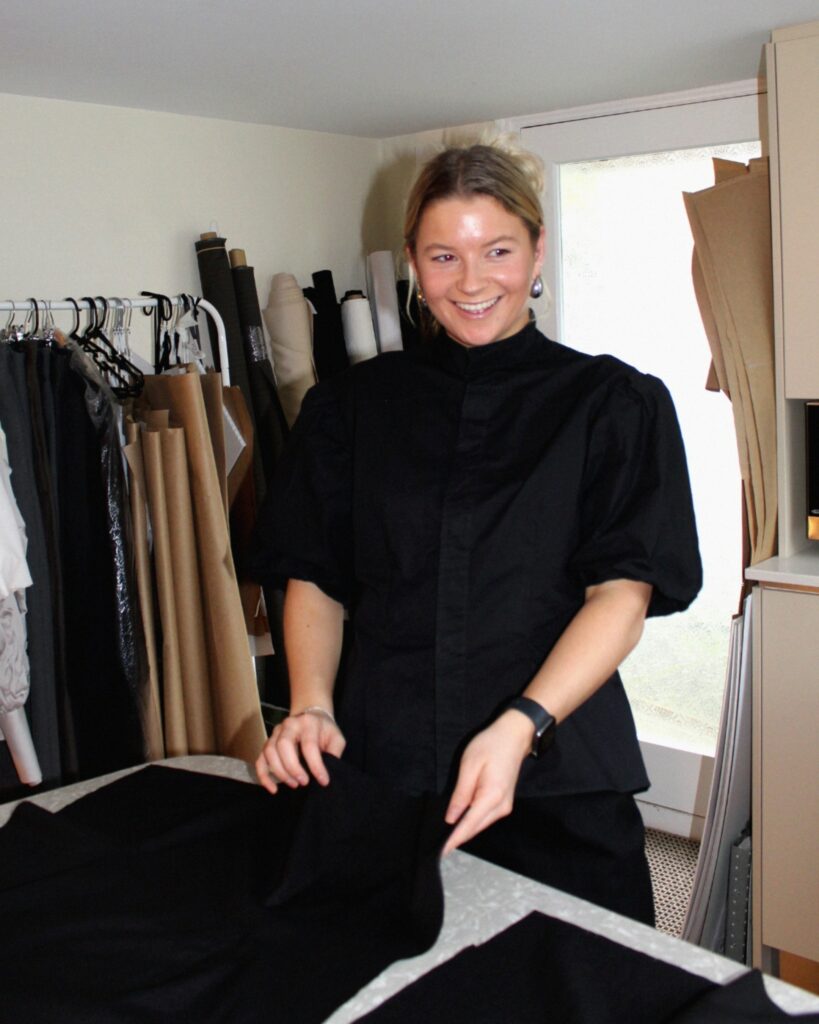
Winnie Catherine is a locally-made label that blends contemporary-tailoring and historical references for the modern-day working woman.
What inspired your latest collection, and were there any particular materials, techniques or references that helped bring it to life?
I think with every garment or collection we bring out, the ultimate question I have to be able to answer is: ‘How would the Winnie Catherine woman feel in this?’. My customers (present and prospective) are the biggest inspirations when it comes to bringing new work to life, and contextualising them within my initial drawings and ideas from the very start is important to me.
It’s with no doubt that I have a lot of Victorian influences in my work too. For this collection, I really lent into fullness, whether that’s through manipulating the fabric to act a certain way, or by using a plethora of fabric. For example, we have some pieces in the collection that required four meters’ worth of fabric; which in hindsight, made for a great arm-focused workout when sewing it!
Without giving too much away, what can we expect to see at your show?
Full-skirts and pops of blue!
Tuatara by Kaelyn Tongia Bendall
Describe your brand in one sentence:
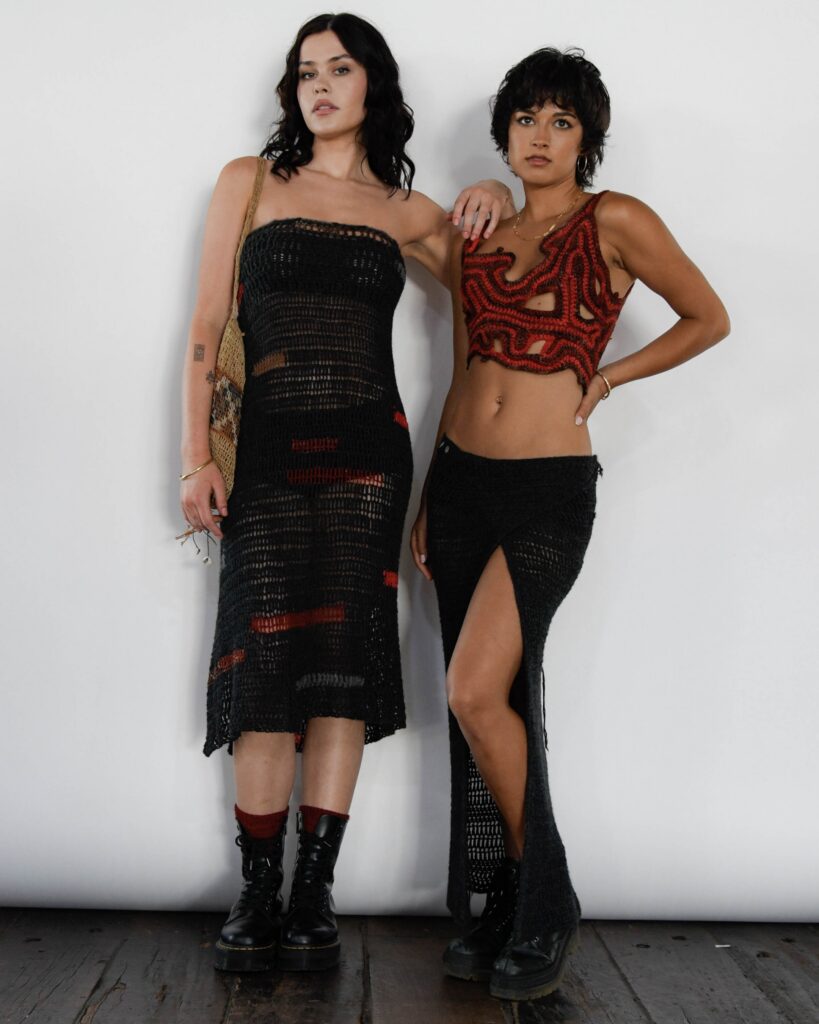
My brand Tuatara is a physical extension of me, portraying what’s at the forefront of my mind at a given time to the public.
What inspired your latest collection, and were there any particular materials, techniques or references that helped bring it to life?
This current collection is based around my lived experience growing up half Pakeha, half Papua New Guinean. Exploring the disconnect that comes with hybridity not as a weakness but as a strength. This collection examines the impacts of colonisation and works outside the standards introduced by the west. Likening each piece to a living being that tells a story, I drew heavily from the natural lifecycle to inform. The choice to use only sustainable fibres allows the garments to reflect the lifecycle and be returned to the ground at the end of its life and breakdown.
Without giving too much away, what can we expect to see at your show?
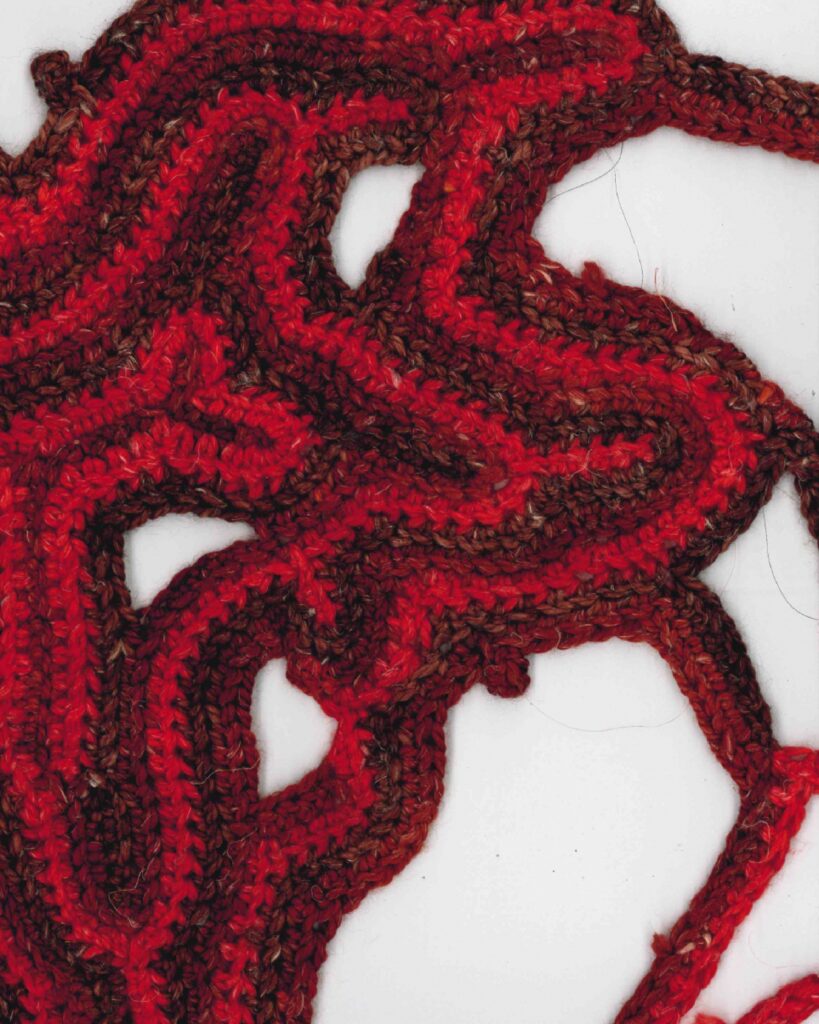
Lots of crochet, lots of knitting. Everything is handmade by me intuitively and without a pattern, letting each piece inform me and guide me in its creation. Every piece that walks the runway will not exist in that form again. I hope on show night the space is imbued with the love I am fortunate to receive.
Manzil by Jumaanah Vahora
Describe your brand in one sentence:
Manzil navigates through the tensions between tradition, modernity, belonging and diaspora by using clothing to honour heritage, and amplify cultural and religious identities.
What inspired your latest collection, and were there any particular materials, techniques or references that helped bring it to life?
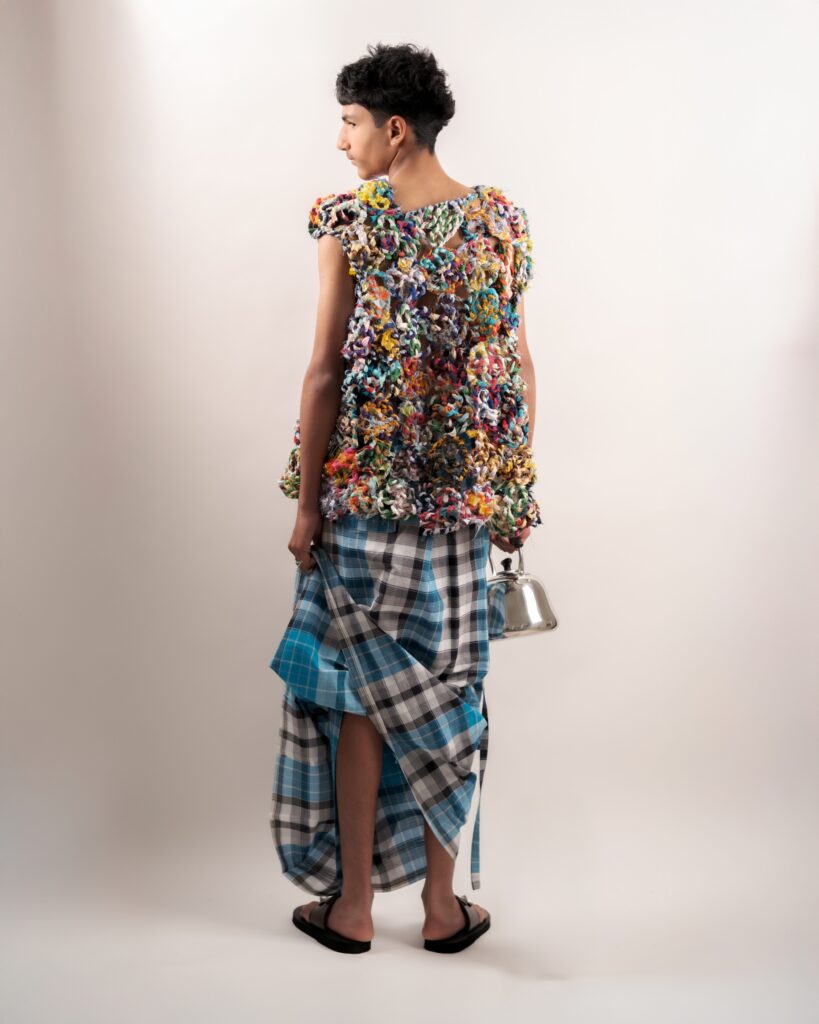
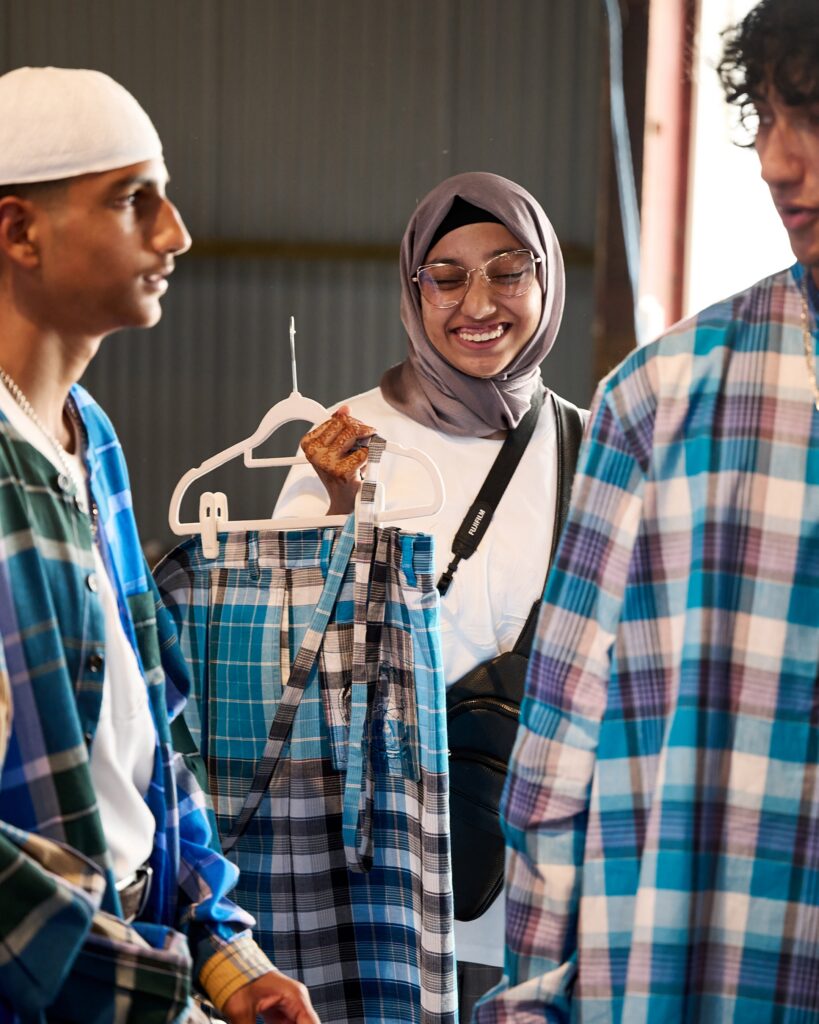
‘Lungiwala’ translates to ‘the man who wears a lungi’, but to me he’s more than that. He is the echo of home in a foreign street. The lungi is an indigenous, humble cloth used as a wrap skirt for men all across India and South Asia. Soft cotton woven in bold chequered designs, the lungi carries our legacy. A daily choreography of wrapping, tying, tucking and pleating, our fathers, uncles, grandfathers, farmers, fisherman and labourers embrace the lungi for its ease, practicality and comfort.
But, as youth pursue modernity through Western fashion trends, traditional garments like the lungi are labeled as old fashioned or outdated, a parallel shared in the western world where heritage attire carries stigma and is left in the shadows of assimilation. Instead, I like to think of this as an opportunity to promote intergenerational cultural knowledge and have fabricated this collection with Lungi’s gifted to me by my aunty and grandmother.
Priorising traditions of low waste making that have always existed beyond western narratives of sustainability, I experiment with Katran (fabric waste), reimagining indigenous resourcefulness, transforming discarded fragments into textured surfaces. Taunting the idea that belonging requires sacrifice, Lungiwala is my way of reviving the lungi, and reclaiming what diaspora often makes fragile; the ability to wear identity with confidence.
Without giving too much away, what can we expect to see at your show?
Demonstrating that fashion can be decolonial, regenerative and socially transformative, our show is resistance worn loud. Expect to experience the overwhelming power, resilience, and strength that is held within each and everyone of us.
Hannah Gray
Describe your brand in one sentence:
A bold presence of spirit and authenticity that runs deep
What inspired your latest collection, and were there any particular materials, techniques or references that helped bring it to life?
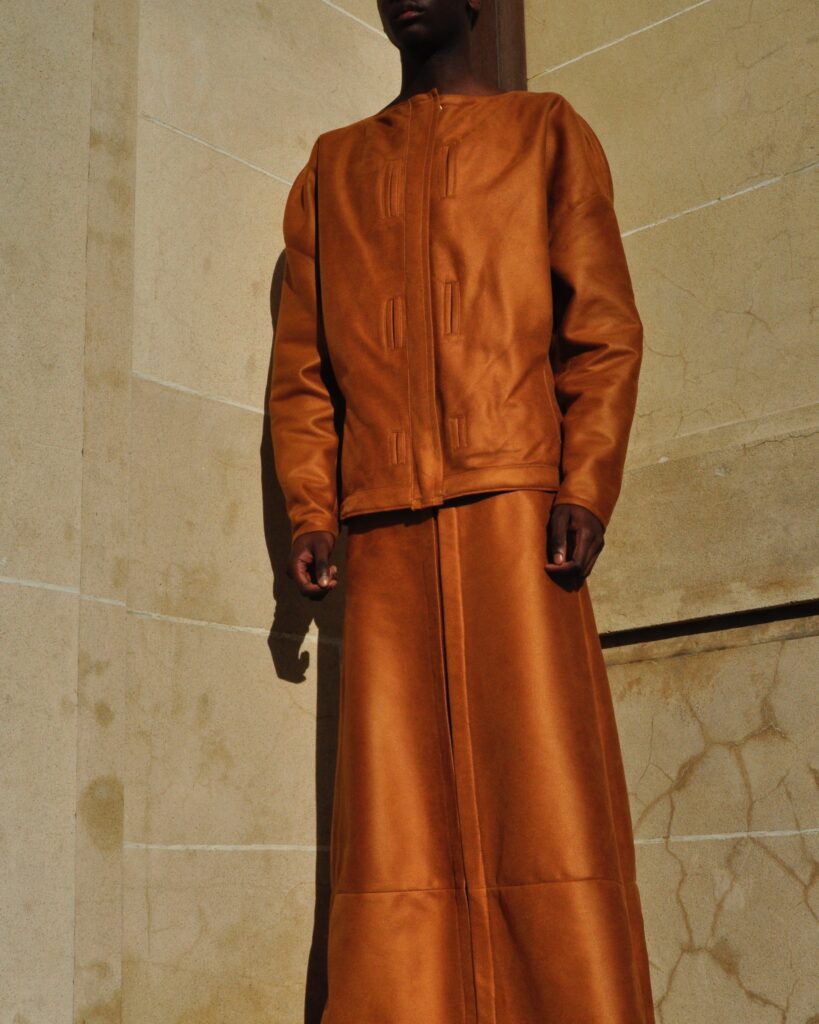
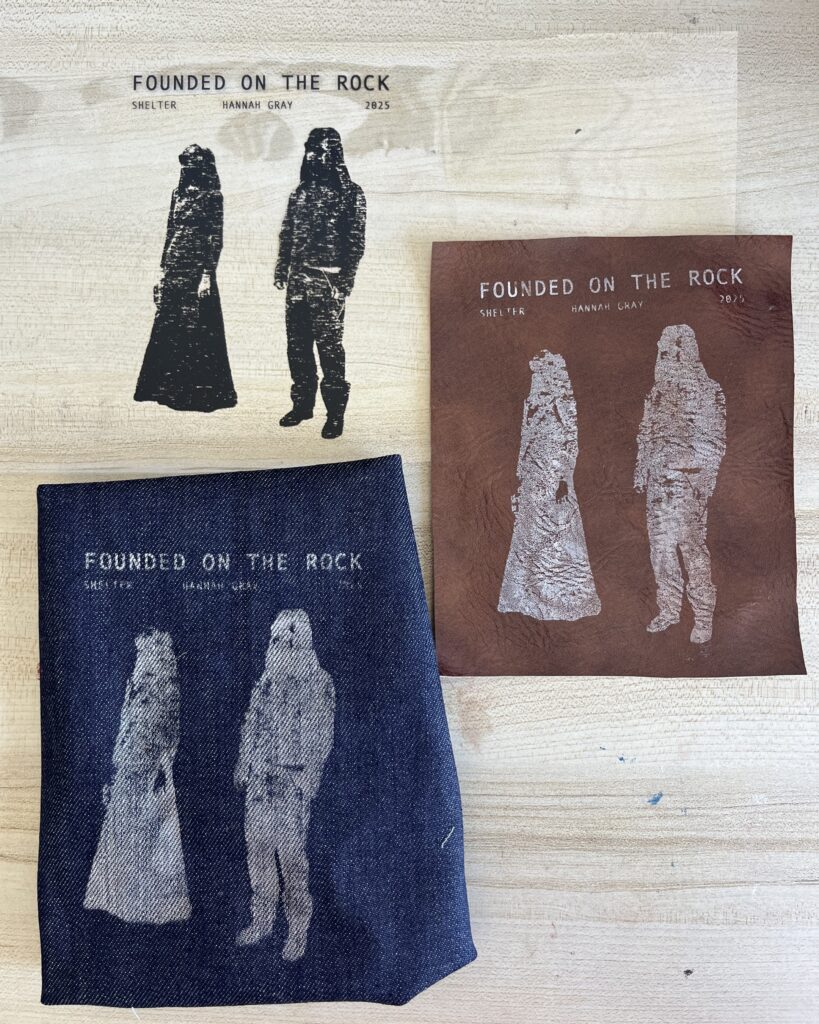
My collection begins by exploring the idea of home as both a physical space and a personal foundation. It was initially inspired by the five years I spent living in Wuxi, China, across apartments on the 20th, 10th, and 31st floors. Architectural elements from these spaces are translated into structured silhouettes and considered detailing throughout the collection. Expanding beyond physical dwellings, the work also examines identity as a symbolic home, shaped by my experiences living between China and New Zealand.
Central to the collection is the idea of being “founded on the rock” — a symbol of my faith and where I place my identity. Just as architecture relies on a strong foundation, my sense of self is grounded in this belief. The garments reflect this through dynamic, authoritative forms and architectural construction, while experimental textiles introduce texture and depth.
Overall, the collection aims to create an atmosphere that feels both powerful and refined. It explores masculine and feminine expressions in unconventional ways through structured yet expressive silhouettes, presenting beauty and identity as something anchored in an unchanging foundation.
Without giving too much away, what can we expect to see at your show?
The show will present a wide range of looks. Some pieces lean toward silhouettes that feel traditionally appealing and commercially accessible, while others experiment with texture, proportion, and scale.
These contrasting elements allow certain garments to move beyond clothing and become almost like personal avatars of the brand, embodying the spirit and identity of Hannah Gray.