


I’ve always thought my phone’s step counter was enough to keep me accountable for 10,000 steps a day. But steps don’t measure sleepless nights, stress spikes, or the exact moment your body says ‘slow down’ before you burn out. So when the Ultrahuman Ring AIR arrived — small, sleek, and promising to guide me rather than just track me — I couldn’t help but wonder: could a ring really know me better than I know myself?
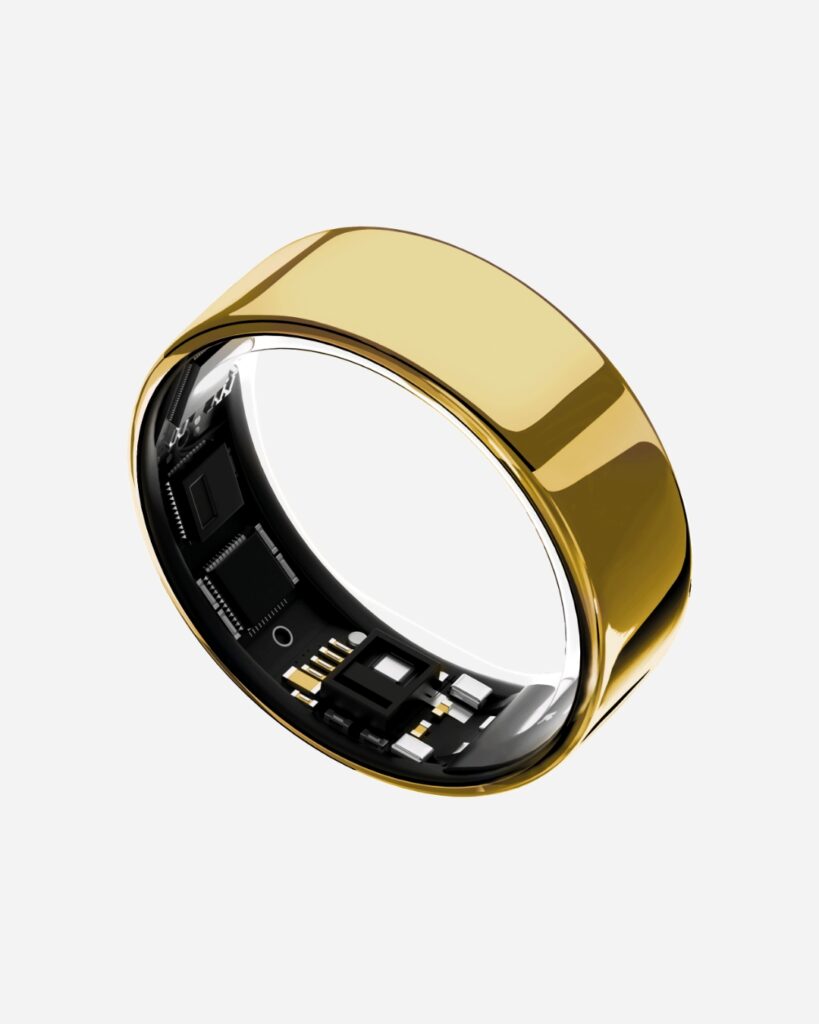
From the start, the process felt thoughtfully considered. A sizing kit is sent out initially with trial bands you can wear to ensure the perfect fit. Mine glided onto my index finger like a piece of minimalist jewellery, but with a purpose far beyond aesthetics.
Yes, it counts your steps. But within minutes, it was also quietly collecting heart rate, heart rate variability (HRV), body temperature, and even sending gentle nudges when it sensed stress. The first time it alerted me to my stress levels, I rolled my eyes. The third time, I tried its suggestion of breathing/meditation. It worked.
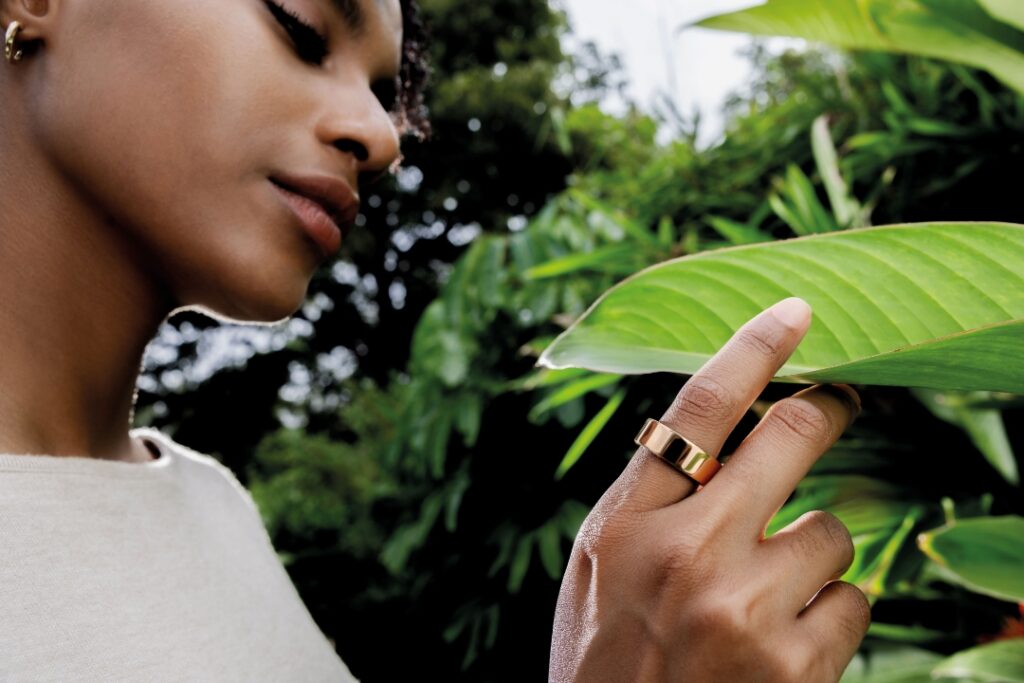
Even at night, it doesn’t switch off. It maps deep, light, and REM sleep, calculates sleep efficiency, and if I tossed and turned too much, it suggested an afternoon nap to aid recovery. The difference between this and a basic tracker? It doesn’t just list the data — it interprets it. The app connects the dots to offer actionable nudges: shift your caffeine window, reduce screen time tonight, or take it easier if your recovery score dips. It even offers circadian rhythm insights — when your body is most primed to move, when it needs to rest, and how your daily stress rhythm is tracking. One morning, it flagged my body temperature was two degrees higher than usual and asked if I felt unwell. I took it easy. I didn’t get sick.
Its caffeine feature quickly became a favourite — letting me know the ideal time to drink it, and crucially, when to stop, in the name of a better night’s sleep. For women, Ultrahuman Ring AIR has also introduced menstrual cycle and ovulation tracking based on temperature fluctuations and advanced algorithms. As for the details, I was surprised it doesn’t require any subscription fees (like its competitors). The battery lasted four to six days and took around two to three hours to fully recharge. It’s waterproof, discreet, stylish, and honestly feels more like jewellery than a wearable device.
The Verdict
The Ultrahuman Ring AIR isn’t just a fitness tracker — it’s your quiet, intelligent advisor. It doesn’t shout about steps; it reminds you to rest. It doesn’t just tell you how you slept; it tells you how to sleep better. For anyone obsessed with hitting daily goals, it’s a reminder that health isn’t all movement — it’s rhythm, recovery, and knowing when to pause.
This article originally appeared in Fashion Quarterly’s Summer 2026 issue.
Words: Sarah Murray