


Porter James Sports
When Joshua Heares realised no one was making the menswear he wanted to wear in Aotearoa, he took matters into his own hands. Porter James Sports was his answer: a label shaped by global references, real-world fit, and a refined aesthetic that’s since found a following far beyond New Zealand’s borders. With no formal fashion training — his background is in branding and advertising — Heares approached clothing design from the perspective of a customer first. That outsider perspective has been one of the brand’s defining strengths.
Guided by instinct and personal style, Heares designs through observation and continual refinement. Inspiration is pulled from all directions. “The ’80s and early ’90s was a beautiful time in menswear,” Heares says, citing Ralph Lauren and Giorgio Armani as key touchpoints. He balances that nostalgia with sharp awareness of how people are dressing currently. Every idea is run through what he calls the “Porter James filter,” where only the most relevant references are allowed to evolve into product.
Silhouette and fabrication remain at the centre of everything. “I invest in two things: fabric and shape,” Heares says. From custom-milled to specially treated fabrics, every textile is chosen for its quality and feel. Heares is highly detail-oriented, with a keen eye for cut, drape, and proportion. Barrel-leg trousers are cut to flatter shorter builds, while cropped shirts are designed to balance a wider leg. The result is an understated, contemporary edit of classic menswear.
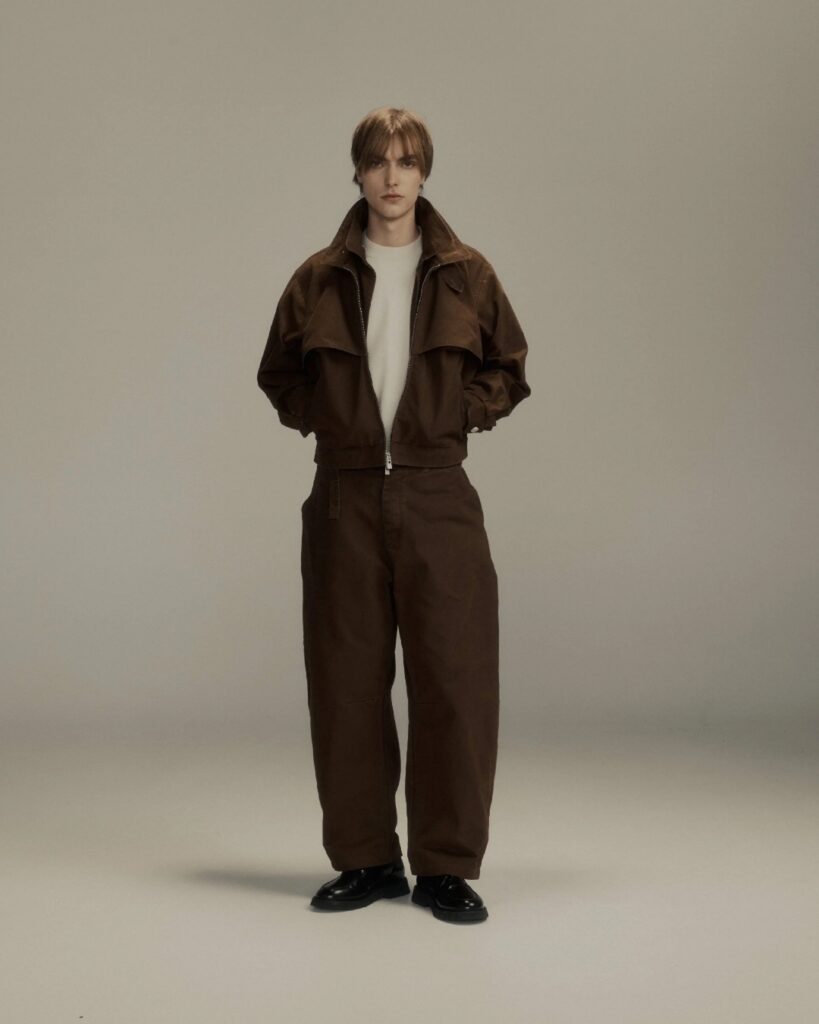
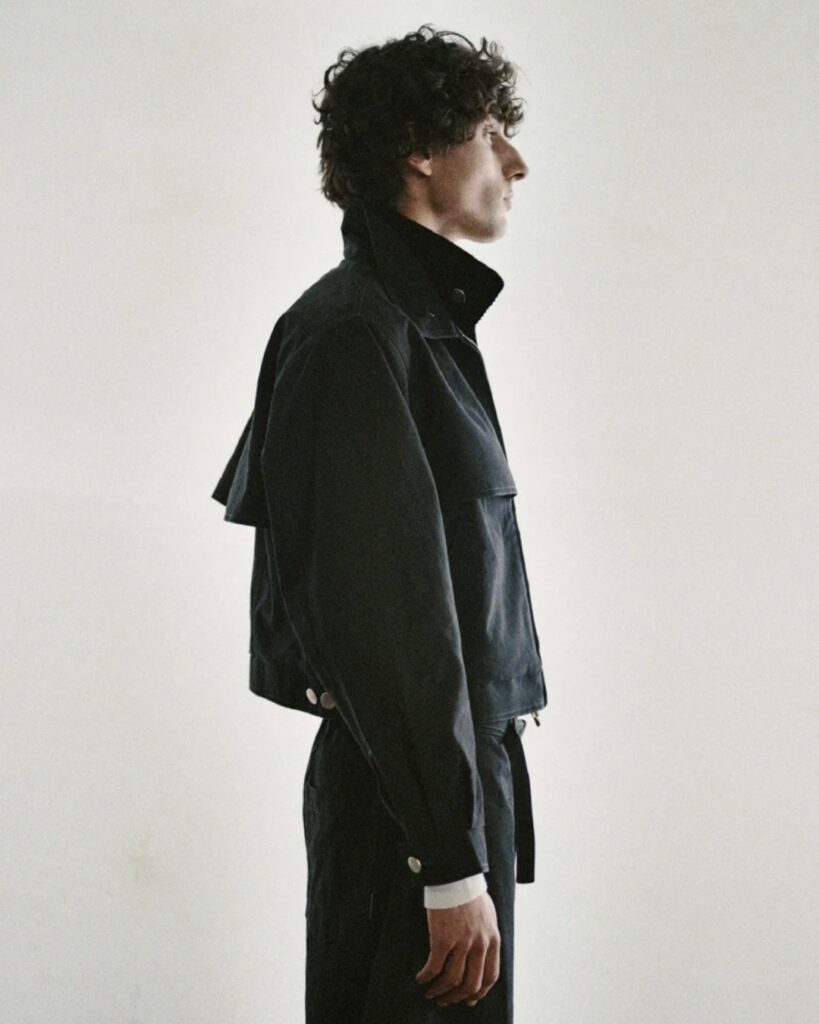
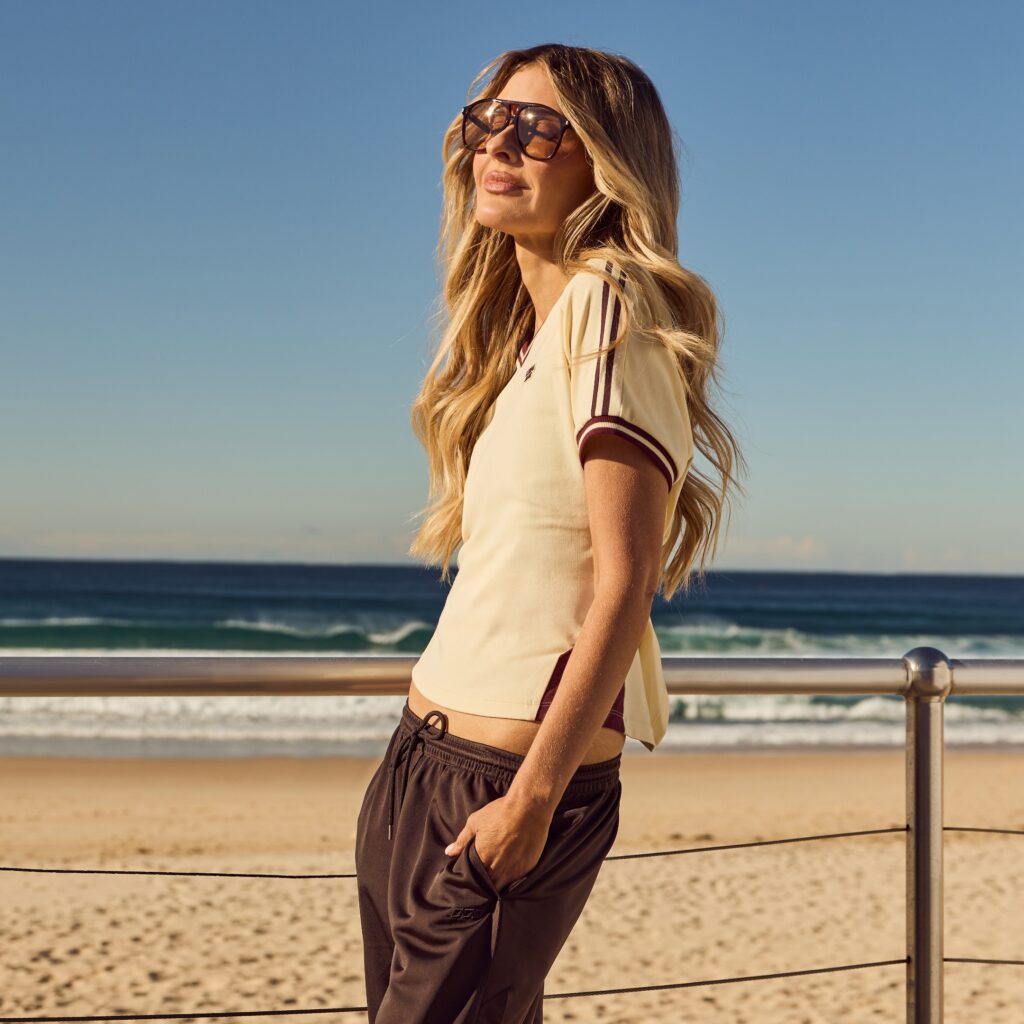
Though positioned as a menswear label, Porter James Sports has steadily found favour with women. What began organically, soon gained momentum. Heares embraced the shift, intentionally featuring women in both brand campaigns and e-commerce imagery. “Once we showed women wearing the pieces, it opened the door even further.” Today, women make up around 15 per cent of the Porter James customer base. “Women are often further along their fashion journey than men, especially in New Zealand,” Heares notes. “We’ve found… if you win over the girlfriend, the boyfriend comes next. It’s been really cool to have the girls on side to champion Porter James Sports.”
What began in 2020 as a two-person operation — Heares and a part-time production manager — has since grown into a nine-person team. Now doing 75 per cent of its business internationally, Porter James Sports has built a strong following in markets such as New York, Melbourne, and Los Angeles. The brand operates out of a studio store in Auckland’s Eden Terrace, with a Melbourne flagship set to open soon, and a New York pop-up planned for 2026.
Heares adds, “It feels like we’re contributing to the culture of menswear in New Zealand and I love that responsibility.”
Wynn Hamlyn
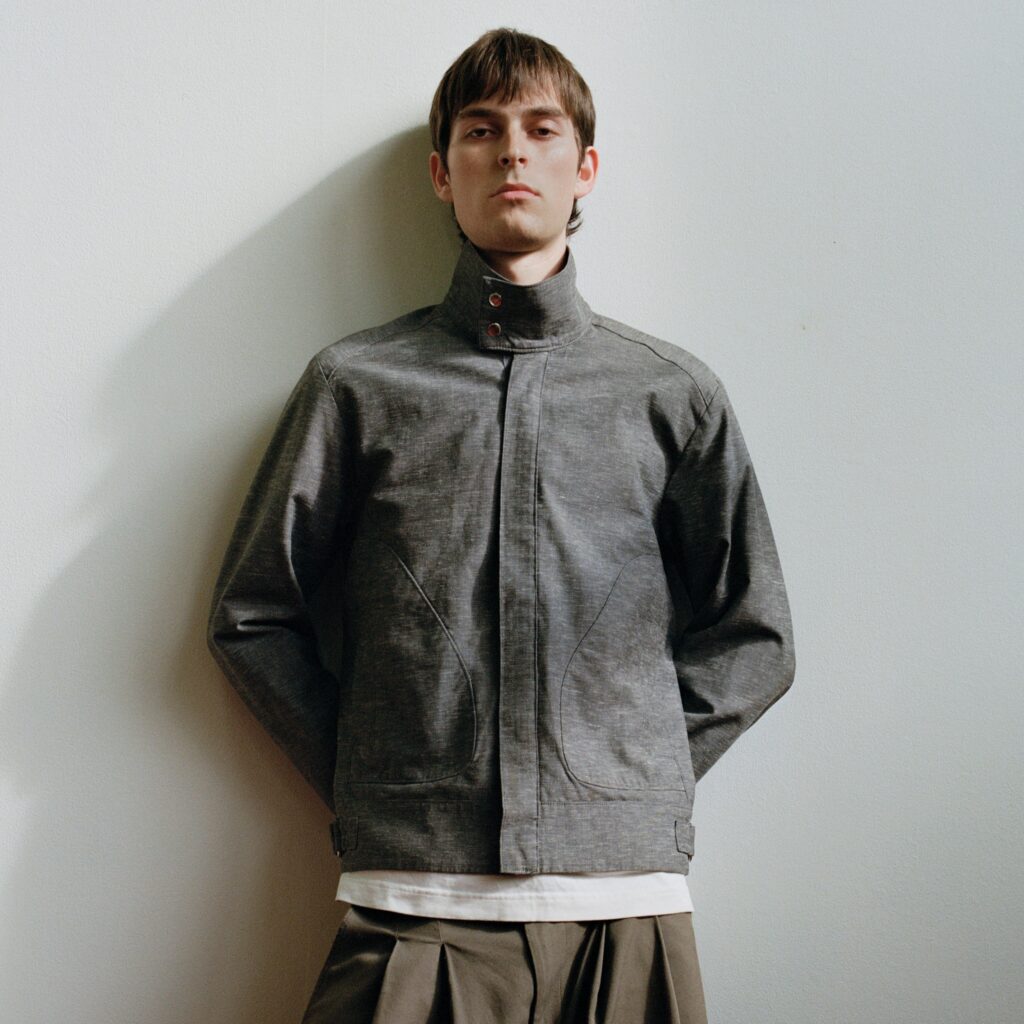
Wynn Hamlyn’s Pre-Fall ’25 collection marks a turning point — not just for the label, but for its creative evolution. For the first time in several seasons, designer Wynn Crawshaw has reintroduced menswear into the brand’s offering, and with it, a fresh lens through which to explore the boundaries of form, function, and identity. “I was missing the fun that comes with participating in the brand myself,” Crawshaw says.
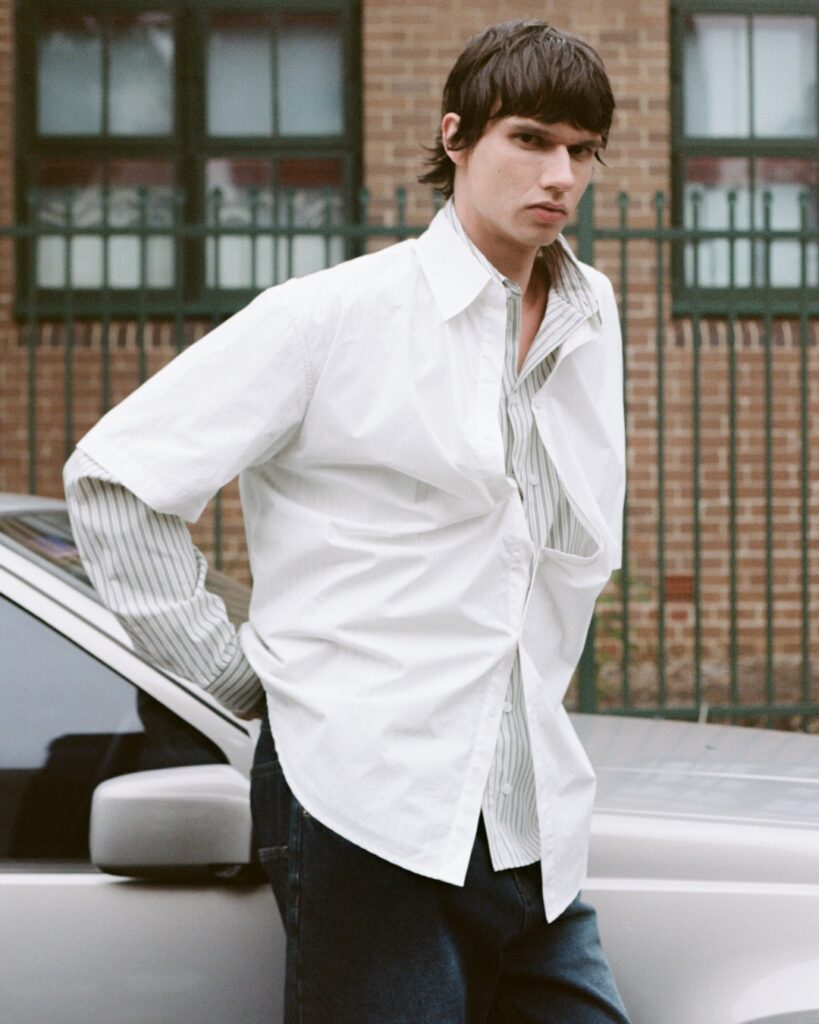
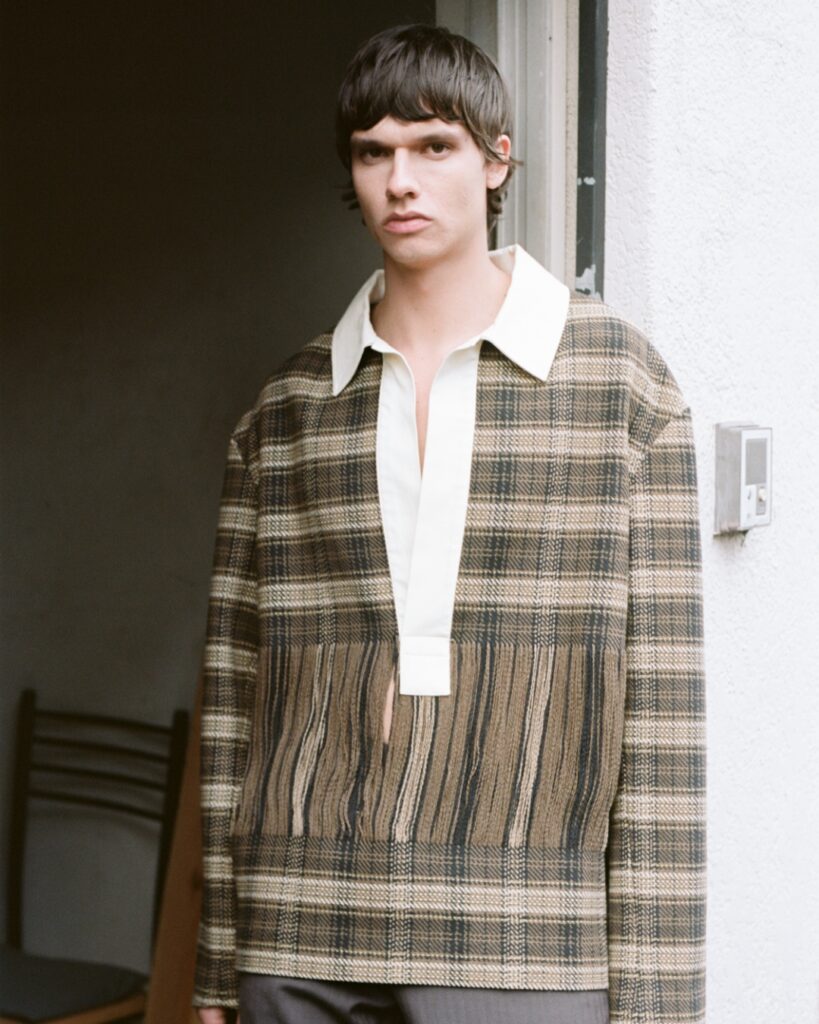
Rather than treating menswear as a siloed category, the collection explores the fluid territory where it intersects with womenswear, allowing the two to inform each other. “There are shared techniques that link the collections,” Crawshaw explains. “Twist details, deconstructed weaving, buttons that let the wearer experiment with styling. Regardless of which category a piece sits under, I anticipate many of our customers will just go for designs they are drawn to.”
For Pre-Fall ’25 Crawshaw was drawn to the idea of deconstruction of textiles, exploring the potential of loomed pieces, and how weaving in its simplest form can shape the architecture of a garment. That same thinking extends to the brand’s multilayered outerwear, designed to zip apart and offer a fluid, modular silhouette. Crawshaw says. “I’m definitely designing menswear with more of an experimental spin these days — pushing the potential of a piece with craft elements, subversive silhouettes, and unexpected fabrications.”
In Paris the latest collection was recently shown and sold during Fashion Week, to an overwhelmingly positive response. Presenting internationally opens up a world of possibilities. “It widens our market and audience, meaning there’s more likely to be an appetite for experimentation,” he says. “It gives me more room to push ideas when designing.” Men’s fashion is now at point where it’s shifting — less bound by traditional codes. Crawshaw adds, “I’m really just aiming for menswear that’s creative. That goes beyond the basics and encourages wearers to push the boat out a bit. To try something new.”
I Love Ugly
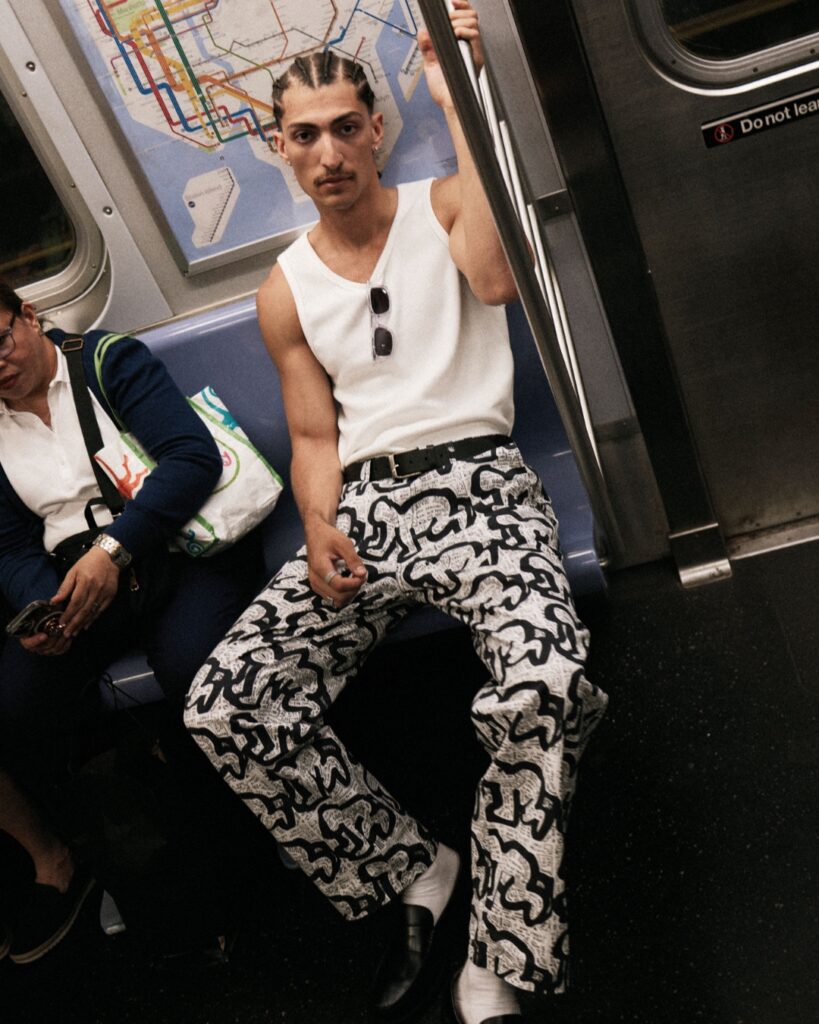
It’s not every day that a bedroom-born passion project evolves into a globally recognised streetwear brand, but that’s exactly how I Love Ugly came to be. Founded in 2008 by Valentin Ozich, the Auckland-based brand began as a personal art project and has since grown into a cult menswear label known for its minimalist aesthetic and tailored streetwear, deeply influenced by art, design, and music culture.
With no formal fashion training, no financial backing, and a newborn baby at home, Ozich poured everything he had into building a brand that felt different. For him, failure wasn’t an option. “I was incredibly hungry and driven, with a chip on my shoulder,” Ozich says of I Love Ugly’s early days. “I saw a gap in the market and had the courage to seize it.”
Ironically, it was Ozich’s lack of experience that became his greatest asset. Unburdened by convention, Ozich focused on his strengths: branding and storytelling. “We defied the status quo and pushed boundaries based on what we believed was the most logical course of action at the time,” he explains. “Our product is so clean and unbranded that many people wouldn’t recognise it as ours, so we had to get good at marketing.” The result? A product-led approach that attracted a cult following — and drew the attention of A$AP Rocky, Kanye West, and Justin Bieber — all without ever chasing hype.
Now in its 17th year, I Love Ugly has cemented itself as a global player, with flagship stores in New Zealand and 70 per cent of its online sales coming from overseas. Its direct-to-consumer model remains key, offering the brand full creative control and a closer connection to its community. Despite its past success, Ozich says the brand has no intention of resting on its laurels. “Nothing remarkable is built alone,” he says. “You need exceptional individuals around you ready to pour their heart into [the brand]. That’s what truly allows us to continue thriving today.”
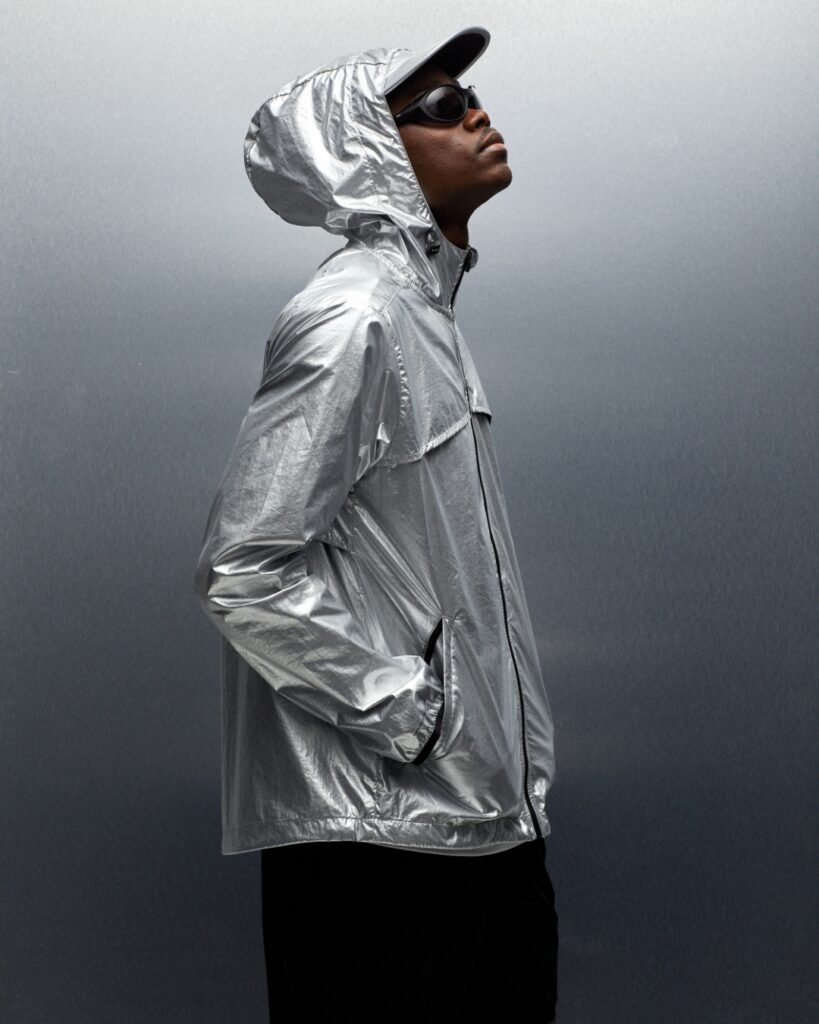
While staying grounded in its roots, the brand continues to evolve. “We’re not afraid to experiment,” Ozich says. “Recently, we took a leap into activewear, and despite the noise and competition from global sports giants, it’s paying off.”
With plans to open more stores in New Zealand, Australia, and possibly the US, the brand is gearing up for its next chapter. “I truly believe we’re poised for another growth phase,” he says. “We’re keen to venture into new categories and keep pushing the envelope with engaging collaborations that keep us current and inspire others to reach their full potential.”
Longform
In a fashion landscape often dictated by seasonality and micro-trends, Longform is a welcome anomaly. The newly launched label from Des Rusk, a long-standing figure in New Zealand’s fashion and textile industries, offers a refined, design-led approach built around one high-performing fibre: merino wool. With its debut Foundation Edit, the brand offers a fresh perspective on everyday wear with a considered collection of modern essentials designed to evolve with the wearer.
Rusk has long been an influential behind-the-scenes force in New Zealand’s fashion industry. Over the past two decades, he’s worn many hats — from his beginnings at Murray Crane’s Little Brother, to launching his own namesake brand, tutoring design at AUT, and leading fabric company Wall Fabrics as CEO. Longform marks a return to design on his own terms following a career deeply embedded in every layer of the garment life cycle.
“I’ve seen this industry from the design floor to the boardroom,” he says. “That perspective is woven into everything we’re doing with Longform.” At its core, the brand reimagines merino not just as a high-performance fibre but as a design material in its own right. “People often think of merino as something you wear hiking, skiing, or as a fully-fashioned knitwear piece,” says Rusk. “What we’re doing is reframing it by creating garments that feel at home in an everyday wardrobe. These are pieces you’d wear to a cafe or into the office.”
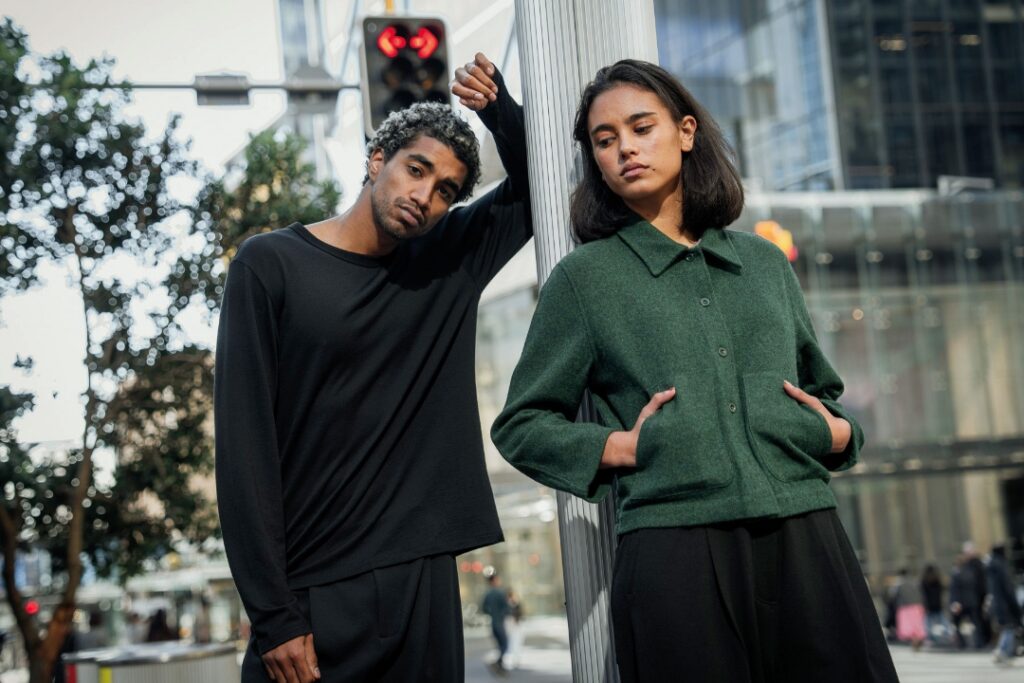
The Foundation Edit showcases this vision with precision. Crafted from ethically grown, ZQ-certified merino sourced from New Zealand, Australia, and South Africa, the debut collection includes pieces that blend utility with understated sophistication from milled jersey chore jackets and structured loopback sweats to the perfect boxy tee.
Rather than chasing trends or seasonal drops, Longform is built around the evolving needs of the wearer. “I’ve always wanted to create pieces that stand the test of time,” Rusk says. “The plan is for 80 per cent of this foundational collection to still be selling in five to ten years. But, we also want to make continual improvements to these styles as the brand evolves by slowly refining fabrics, fit, or construction rather than reinventing the wheel every six months.”
Modular and intentional, the collection draws inspiration from Japanese minimalism, utilitarian workwear, and the philosophies of designers such as Yohji Yamamoto and Margaret Howell. But Longform is firmly forward-looking. “There’s a growing shift in how people think about clothing,” Rusk says. “Not just what they wear, but why. After years in the industry, I felt it was time to offer something slower and more deliberate.”
With wholesale opportunities on the horizon and Japanese and Italian-milled merino soon joining the fabric story, this is just the beginning for Longform.
This article originally appeared in Fashion Quarterly’s Spring 2025 issue.
Words: Natalia Didovich
Photography: Supplied